Home / Sunday-mid-day / Article /
Decoding 'goblin mode' Oxford Dictionary’s word of the year
Updated On: 18 December, 2022 09:48 AM IST | Mumbai | Nidhi Lodaya
With Oxford Dictionary establishing ‘Goblin Mode’ as the word of the year, we find out why some people want to live like the “ugly, lazy” creature Enid Blyton introduced to us when we were children





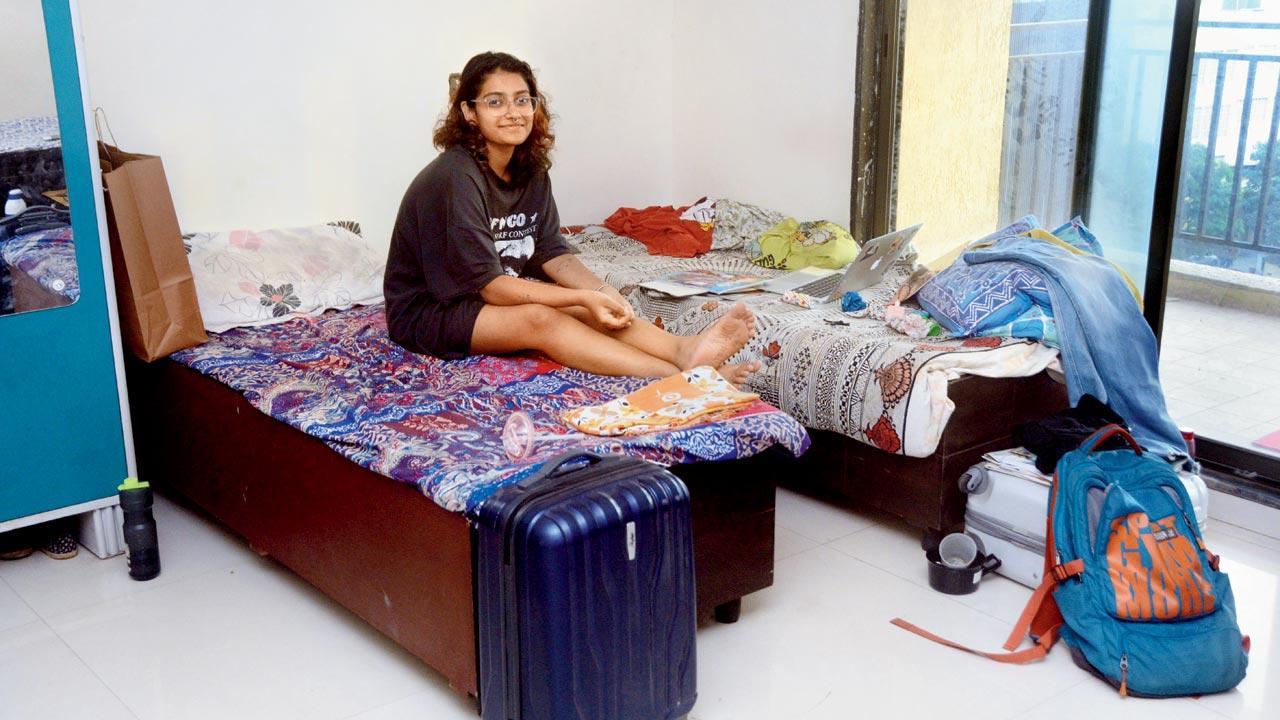
Chandrima Bhattacharya, a 21-year-old student doesn’t do household chores, leaves her utensils unwashed and avoids making her bed, but can’t stand a single piece of unwashed garment and immediately tosses it in the washing machine. Pic/Satej Shinde
Having shrikhand with cheese balls, mixing honey in Maggi or dipping spicy masala chips in chocolate sauce and more such “weird food choices” made Mumbai-based media student Chandrima Bhattacharya believe that she was indeed living her life in “goblin mode”. With words such as “metaverse”, “#IStandWIth”, and “goblin word” as official entries to be Oxford Dictionary’s word of the year, Goblin mode stood out with 318,956 votes.
“Given the year we’ve just experienced, ‘Goblin mode’ resonates with all of us who are feeling a little overwhelmed at this point. It’s a relief to acknowledge that we’re not always the idealised, curated selves that we’re encouraged to present on our Instagram and TikTok feeds,” says Casper Grathwohl, President Oxford University Press’ (OUP) Oxford Languages in a press statement. According to the dictionary, the slang term refers to a type of behaviour which is “unapologetically self-indulgent, lazy, slovenly, or greedy, typically in a way that rejects social norms or expectations.” With the sudden outburst of reels on Instagram on terms such as ‘Cottagecore’ (an Internet trend which has pastel colours and teens celebrating an idealised English or European rural life) and ‘That Girl’ (a person who gets up at 5 am, meditates, goes to the gym, drinks smoothies, journals, has an elaborate shower and skin routine, eats healthy, doesn’t party and is successful); the goblin mode is the opposite of that. A piece in The Guardian states that, “Goblin mode is like when you wake up at 2 am and shuffle into the kitchen wearing nothing but a long T-shirt to make a weird snack.” “It’s about a complete lack of aesthetic. Because why would a goblin care what they look like? Why would a goblin care about presentation?” it further added. For the ones who only knew goblins as cute creatures of the wood that appeared in author Enid Blyton’s books, according to the famous English folklorist, Katharine Mary Briggs (1898-1980), goblins are also known as evil and ill-intentioned spirits. Small and ugly in appearance, they are embedded in the rich folklore of the United Kingdom, in particular.
Trending Stories
Latest Photos
Latest Videos
Latest Web Stories
ADVERTISEMENT

Ganeshotsav 2026

ADVERTISEMENT