
From gobar-painted walls and handcrafted woodwork to folk art accents, Union Minister Nitin Gadkari’s Delhi bungalow reflects his affinity for indigenous practices. Recently featured on director-choreographer Farah Khan’s YouTube cooking channel, the bungalow stands apart as a compelling example of timeless Indian elegance. Rooted in heritage yet effortlessly functional, the residence reflects the warmth, authority, and cultural depth of a luxurious and traditional Indian home. Adding to its charm are 17 peacocks that roam freely through the garden, often wandering into the neighbouring bungalows of Sonia Gandhi and Manmohan Singh, along with an organic farm that supplies fresh fruits and vegetables. Madhubani, Tanjore and Gobar Interestingly, Gadkari's conference room has a wall painted using gobar (cow dung). Cow dung paint on Gadkari's Delhi bungalow conference room walls. (Pic/YouTube) The bungalow, reminiscent of a classic Lutyens-style home, boasts high ceilings, expansive hallways, and lush garden spaces. The first glimpse of the residence sets the tone: grand wooden doors flanked by stone and bronze sculptures, create a stately, vintage aura, while potted plants soften the space, adding calm and balance. The classic entrance of the bungalow (Pic/YouTube) Inside, Indian craftsmanship takes centre stage. Madhubani and Tanjore paintings, classic brass wall lamps, intricately carved wooden sculptures, and maximalist framed mirrors showcase the richness of Indian art forms. Soft, earthy tones anchor the interiors, lending an open and serene quality. Royal wooden sofas with contrasting blue upholstery add warmth and a subtle regal touch. Captivating paintings and sculptures of Lord Krishna, Hanuman, and other deities adorn the walls alongside an extensive collection of Indian folk art. The tricolour flag adds a patriotic note, further personalizing the space. Madhubani and Tanjore paintings, awards, sculptures further adorn the interiors. (Pic/YouTube) Every corner of the house tells a story. Side tables display carefully chosen artefacts, one featuring a miniature wooden ship, another a bronze sculpture of Lord Krishna playing the flute. A dedicated cupboard houses a collection of souvenirs, turning the residence into a curated archive of memories. Heritage inspiration runs consistently throughout the bungalow. Dark wood panelling, rich textures, and traditional materials define the interiors, evoking a sense of authority befitting the occupant. The conference room reinforces this dignified atmosphere. Designed with wooden panelling and walls painted using cow dung, it reflects Gadkari’s commitment to environmentally responsible choices without compromising on aesthetics. The Dining and Kitchen A spacious dining area with two concealed doors opening to the kitchen. (Pic/YouTube) Two concealed, cupboard-style doors open directly into the kitchen, ensuring ease of movement and efficiency during mealtimes. The space is anchored by rich dark wood, thoughtfully balanced with soothing colour accents. A spacious dining area that comfortably seats up to 16 people features accent wooden chairs and a well-planned layout ideal for hosting. A highly functional kitchen with elegant countertops. (Pic/YouTube) The kitchen itself is simple yet highly functional, with stone countertops, wooden basket storage for vegetables, and lofty ceilings that enhance ventilation and natural airflow. Elegant and understated, the space seamlessly complements the home’s overall aesthetic. Overall, Nitin Gadkari’s bungalow feels more like a living museum, an enduring celebration of Indian heritage, cultural grandeur and thoughtful living.
07 January,2026 03:39 PM IST | Mumbai | mid-day online correspondentPope Leo XIV on Tuesday, January 6, closed out the Vatican's 2025 Holy Year by denouncing today's consumerist and anti-foreigner sentiment, capping a Jubilee that saw some 33 million pilgrims flock to Rome and a historic transition from one American pontiff to another. With cardinals and diplomats looking on, Leo kneeled down in prayer on the stone floor at the threshold of the Holy Door of St. Peter's Basilica. He then stood up and pulled the two doors shut, symbolically completing the rarest of Jubilees: one that was opened by a feeble Pope Francis in December 2024, continued during his funeral and the conclave, and then was closed by Francis' successor a year later. Only once before, in 1700, has a Holy Year been opened by one pope and closed by another. Tuesday's ceremony, at the start of Mass celebrating the feast of Epiphany, capped a dizzying year of special audiences, Masses and meetings that dominated Leo's first months as pontiff and in many ways put his own agenda on hold. As if to signal his pontificate now can begin in earnest, Leo has summoned the world's cardinals to the Vatican for two days of meetings starting Wednesday to discuss governing the 1.4-billion strong Catholic Church. On the agenda is the issue of the liturgy, suggesting Leo is diving head-first into the divisions within the church over the celebration of the old Latin Mass. A homily that denounces distorted economy In his homily Tuesday, Leo said the Jubilee year had invited all Christians to reflect on the Biblical teachings to welcome the stranger and resist 'the flattery and seduction of those in power.' 'Around us, a distorted economy tries to profit from everything,' he said. 'Let us ask ourselves: has the Jubilee taught us to flee from this type of efficiency that reduces everything to a product and human beings to consumers? After this year, will we be better able to recognize a pilgrim in the visitor, a seeker in the stranger, a neighbour in the foreigner, and fellow travellers in those who are different?” Vatican claims success with 33 million pilgrims For the Vatican, a Holy Year is a centuries-old tradition of the faithful making pilgrimages to Rome every 25 years to visit the tombs of Saints Peter and Paul and receive indulgences for the forgiveness of their sins if they pass through the Holy Door. For Rome, it's a chance to take advantage of public funds, in this case some 4 billion euros ($4.3 billion), to carry out long-delayed projects to lift the city out of years of neglect and bring it up to modern, European standards. The Vatican on Monday claimed 33,475,369 pilgrims had participated in the Jubilee, though organizer Archbishop Rino Fisichella acknowledged the number was only a rough estimate and could include double counting. At a press conference, neither he nor Italian officials provided a breakdown between Holy Year pilgrims and Rome's overall tourist figures for the same period. A history of Jubilees Rome's relationship with Jubilees dates to 1300, when Pope Boniface VIII inaugurated the first Holy Year in what historians say marked the definitive designation of Rome as the center of Christianity. Even then, the number of pilgrims was so significant that Dante referred to them in his “Inferno”. Massive public works projects have long accompanied Holy Years, including the creation of the Sistine Chapel (commissioned by Pope Sixtus IV for the Jubilee of 1475) and the big Vatican garage (for the 2000 Jubilee under St. John Paul II). Some works have been controversial, such as the construction of Via della Conciliazione, the broad boulevard leading to St. Peter's Square. An entire neighborhood was razed to make it for the 1950 Jubilee. The main public works project for the 2025 Jubilee was an extension of that boulevard: A pedestrian piazza along the Tiber linking Via della Conciliazione to the nearby Castel St. Angelo, with the major road that had separated them diverted to an underground tunnel. Leo has already announced that the next Jubilee will be in 2033, to commemorate what Christians believe was the A.D. 33 death and resurrection of Christ.
07 January,2026 09:17 AM IST | Vatican City | APThe Uttar Pradesh government on Sunday, January 4, launched the state's first Braille library with a collection of more than 4,000 books, an official statement said. Launched at the Dr Shakuntala Mishra National Rehabilitation University (DSMNRU) in Lucknow, the initiative is in line with Chief Minister Yogi Adityanath's policy of inclusive education and empowerment for persons with disabilities. The library has been set up on the first floor of the Swami Vivekananda Central Library on the university campus, and Vice-Chancellor Acharya Sanjay Singh inaugurated the facility as the chief guest, the statement said. Earlier, he paid floral tributes to the statue of Louis Braille, the pioneer of the Braille script, at the university premises on the occasion of his birth anniversary. Addressing the gathering, Singh urged students with visual impairment to become self-reliant and directed the university administration to provide them with modern computer training. He said the Braille script is a powerful medium of education for persons with visual impairment, helping them connect with the mainstream of society. According to the statement, Minister of State (Independent Charge) for Backwards Classes Welfare and Divyangjan Empowerment Narendra Kashyap said the library houses more than 4,000 National Education Policy (NEP)-based academic books published by the university's Braille press, covering 54 undergraduate and postgraduate courses. He further said this is the first university in the state to develop a well-organised Braille library section with such a large collection. A reading room with seating capacity for more than 150 students has also been set up, he added. University spokesperson and library in-charge Prof Yashwant Viroday said a target has been set to increase the number of books to 10,000 this year. Apart from academic books, the library also offers novels, plays, biographies of eminent personalities and other literary works. He said that keeping in line with the chief minister's vision of education for all, the library will not be limited to university students alone, and persons with visual impairment from outside will also be able to access it through membership. Provisions have been made for special, casual and corporate memberships. Special membership will be available to scholars, researchers, academicians and residents of Lucknow, subject to submission of two residential proofs along with the membership form, the library in-charge said. Guest faculty members of the university, retired teachers and staff can also avail a special membership by paying the prescribed library fee. Casual membership will be granted for up to six months at a time, allowing users to access library resources on payment of a fee. However, irregular members will not be issued books, the statement added. This story has been sourced from a third party syndicated feed, agencies. Mid-day accepts no responsibility or liability for its dependability, trustworthiness, reliability and data of the text. Mid-day management/mid-day.com reserves the sole right to alter, delete or remove (without notice) the content in its absolute discretion for any reason whatsoever
06 January,2026 11:14 AM IST | Lucknow | PTISouth Asia B2B publishing platform Jaipur BookMark (JBM) is set to return for its 13th edition alongside the Jaipur Literature Festival from January 15 - 19. The platform brings together publishers, authors, translators, literary agents, booksellers, and industry leaders from India and across the globe, to explore emerging trends, international collaborations, and innovative practices shaping the world of publishing today. Speaking about the upcoming edition, Manisha Chaudhry, director of Jaipur BookMark, said, "The thoughtfully curated programme of JBM 2026 reflects the dynamic and evolving nature of the publishing industry. From exploring emerging trends and new narrative forms to celebrating the vibrancy of Indian language publishing and understanding the impact of technology, this year’s edition is designed to inspire, inform, and foster collaboration among all participants". Namita Gokhale, co-founder and co-director of the Jaipur Literature Festival and director of Jaipur BookMark, added, "Jaipur BookMark was set up in 2014 to celebrate the core values of publishing and to engage with professional aspects of the book trade. As custodians of narratives and culture, the publishing industry remains foundational to literature and to the expression and dissemination of ideas. We are building a diverse community of book creators across languages and platforms, sharing our stories through both new and traditional technologies". Jaipur BookMark will present a rich and wide-ranging programme that reflects the shifting global publishing landscape, opening with a keynote address by acclaimed poet, cultural theorist, and curator, Ranjit Hoskote, setting the intellectual tone for the conclave. The session 'Illuminating Translations' brings together Kanishka Gupta, award-winning translator Deepa Bhasthi, and editor Moutushi Mukherjee, in a conversation on the promise of translations and bibliodiversity in the context of Banu Mushtaq’s Booker Prize winning collection, 'Heart Lamp', translated by Deepa Bhasthi. Another session, 'In Futurescape: Spotting Trends in the Publishing Industry', features Samir Patil and Emma House in conversation with Meru Gokhale, as they discuss the impact of generative AI and other emerging technologies on publishing. 'Hindi Literary Podcasts: Sahitya ke Naye Khojdeep' features Anjum Sharma, Arti Jain, and Anurag Minus Verma in conversation with Jai Prakash Pandey, and is centred on how digital platforms are energising Hindi literature. The cultural impact of legacy bookstores is explored in 'The Scent of Books: Stories about Bookstores', with Anuj Bahri, Nijesh Shah, Murali D.P. and Mohit Batra in conversation with Swati Daftuar, while 'Northern Lights: Children’s Literature from Norway' sees Oliver Moystad of Norwegian Literature Abroad (NORLA) in dialogue with Truda Spruyt on Norway’s children’s publishing ahead of Bologna 2026. 'The Children’s Publishing Roundtable: Nurturing New Readers' brings together Himanshu Giri, Neeraj Jain, Richa Jha, Saanya Kanwar, Sohini Mitra, Tina Narang, and Ujan Dutta in conversation with Smit Zaveri to discuss the opportunities and challenges in children’s publishing and nurturing of reading cultures in India. 'Live Lines: India–UK Publishing Fellows Connect', presented by the British Council, features India-UK Publishing fellows, a collaborative initiative between the British Council and Jaipur BookMark, Harriet Hirshman and Ruby Hembrom in conversation with Hema Singh Rance on cross-border publishing collaborations. In 'Optimism in the Times of Change: Mapping the Future for Big Publishers', Ananth Padmanabhan, CEO, HarperCollins India, speaks with Shreya Punj on navigating technological change at scale. 100 years of publishing legacy of Popular Prakashan, a Marathi publisher are highlighted through 'Popular Prakshan: A Century of Seeding Culture', with Harsha Bhatkal in conversation with Anish Gawande, while 'Ye Dil Manga More: Art and Anime from Japan', features the celebrated Manga artist Yoshitoki Oima and Yoshiaki Koga of the well-known Japanese publisher Kodansha, in conversation with Radhika Jha. Other notable sessions include 'Educational Publishing: The Triad of Access, Speed and Excellence', presented by SAGE Publications, with Chandrika Parmar in conversation with Sugata Ghosh; 'Marketing Roundtable: The Hub and the Spokes in the Wheel', bringing together Nijesh Shah, Ajay Jain, Rahul Dixit, Rachna Kalra, and Saksham Garg in conversation with Akriti Tyagii; 'The Future of Books: Reimagining Narratives', presented by the French Book Office, with Maylis Vauterin, Delphine Clot and Josselin Azorin-Lara in conversation with Swati Chopra; 'Indology: Shades and Layers of a Civilisation', presented by Tamil Nadu Textbook and Educational Services Corporation, introduced by Namita Gokhale; with Dr. R. Balakrishnan and Su Venkatesan in conversation with Dr. T.S. Saravanan; and 'Emerging Markets for Indian Publishing', with Kanishka Gupta, Ravi Deecee, Georgina Godwin and Samir Patil in conversation with Emma House. Jaipur BookMark also presents the 'Festival Directors’ Roundtable', featuring Anjani Raipat, Jesus Ruiz Mantilla, Shubha Sanjay Urs, Biswadip Chakraborty and Lavinia Frey in conversation with Sanjoy K. Roy. JBM 2026 marks its 13th edition with a focus on Marathi literature, as well as translations, emerging storytelling innovations, and the evolving role of artificial intelligence in publishing, with The Royal Norwegian Embassy as its country partner. Jaipur BookMark also continues its joint initiative with the British Council: the India - UK Publishing Fellowship, that aims to deepen professional collaboration and expand global exposure for independent publishers. The Tamil Nadu Textbook Bureau, Sage Publications, and The Department of Marathi Language, Government of Maharashtra, join Jaipur BookMark as Session Partners.
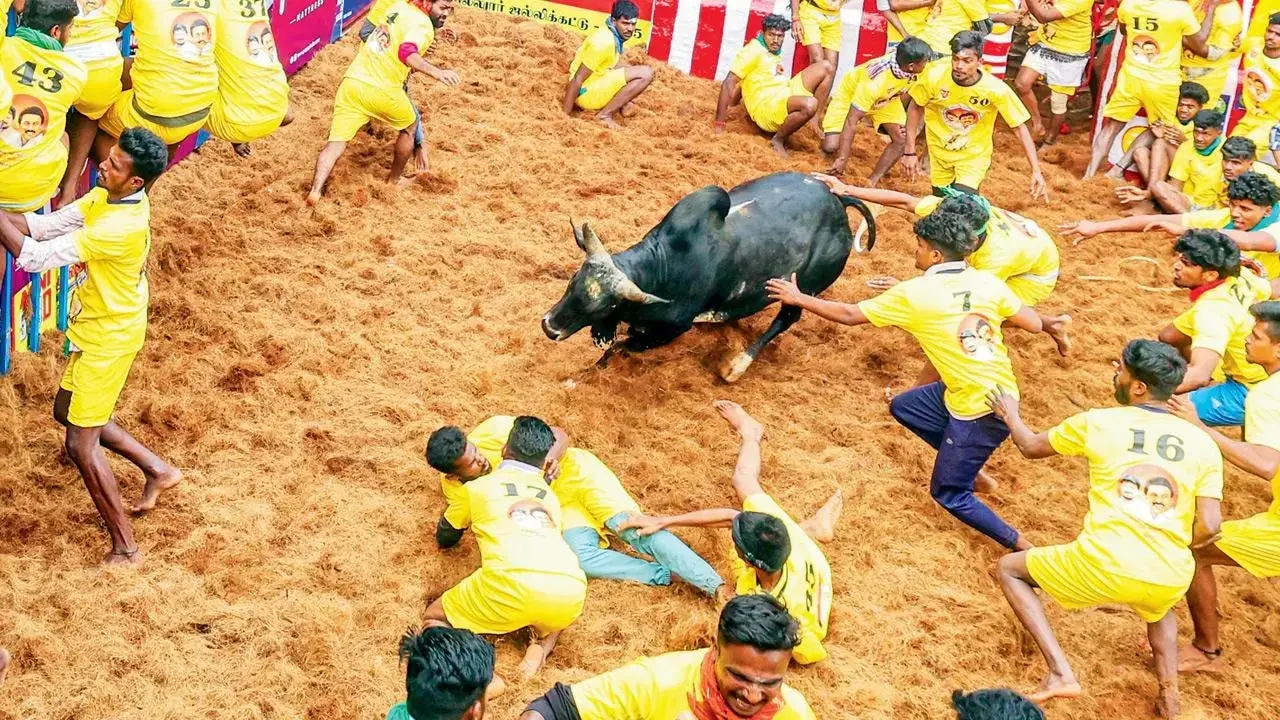
06 January,2026 11:01 AM IST | Jaipur | mid-day online correspondentThe Jallikattu season got underway in Tamil Nadu on January 3 and this is only the start for a bull-taming sport that is held annually and is extremely popular across the southern state. With not only the thrill on display but the winners also receiving a prize on completing it. With every Indian state boasting of unique sports of their own, Jallikatt is also unique in its own way. Here are some fascinating facts about the sport: Origin of Jallikattu The bull-taming sport is known to originate more than 2,000 years ago during the Indus Valley Civilisation, and holds a special place in the land of Tamil Nadu for many different reasons. The sport basically needs the bull-tamer to hold on to the hump of the animal for a particular amount of time and distance, making them win different kinds of prizes. Pulikulam and Kangayam are some of the more popular breeds of bulls. Significance of Jallikattu Primarily an agricultural sport that is celebrated during the Pongal harvest season in mid-January, it depicts strength and bravery, and was also used to select a groom in many parts of the state. First Jallikattu of the season Thatchankurichi Pudukkottai district holds a unique place in Tamil Nadu’s Jallikattu tradition, as it customarily hosts the first event of every season. Pudukkottai district, where the village is located, is also known for having the highest number of vaadivaasals -- designated entry points for bulls -- in the state. Jallikattu in numbers In 2025, around 600 bulls and nearly 350 tamers took part, attracting more than 4,500 spectators. That year, injuries were reported to 10 bull owners, six tamers, four spectators and one bull. In 2024, the event witnessed the participation of over 700 bulls, with 22 people sustaining injuries. Jallikattu ban and renewal Owing to the nature of the sport, it was banned by the Supreme Court in 2014 but that did not go down well with people in the state, and saw massive protests leading to the renewal in 2017/18 after the ban was lifted but with an ordinance. The event since then has been permitted under the provisions of the Prevention of Cruelty to Animals Act, 1960, as amended by the Tamil Nadu Amendment Act, 2017. According to the notification, the Jallikattu must be conducted strictly in accordance with the Standard Operating Procedures (SOPs) prescribed by the state government and the Director of Animal Husbandry and Veterinary Services. In pop culture, Jallikattu is also a 2019 Malayam-language independent film directed by Lijo Jose Pellissery that premiered at the 2019 Toronto International Film Festival.
05 January,2026 08:54 PM IST | Mumbai | mid-day online correspondentBLR Hubba 2026 kicks off on January 16, and the first weekend is packed with experiences across art, play, and public space. Known to be among Bengaluru's largest arts and culture festival, the third edition has some interesting events during the opening weekend - particularly within two of our 12 thematic Hubbas. Kala Hubba (Visual Arts & Public Installations) will transform Freedom Park - once Bengaluru's colonial-era Central Jail - into a canvas for contemporary artists exploring freedom in all its forms. Running January 16-25 at Freedom Park and public spaces across the city, the installations respond directly to the site's history and architecture. Here are some highlights: Aastha Chauhan - At a Comfortable DistanceThe Delhi-based artist, known for her community-engaged work in Khirkee village, brings a site-specific installation examining justice, imprisonment, and capital punishment. Created in collaboration with students from Srishti Manipal Institute, the work asks visitors to confront uncomfortable truths about freedom and confinement within the very walls that once held Independence movement prisoners. Mahima Verma - Mapping DiscomfortWorking within Barrack F at Freedom Park, Verma addresses ecological degradation by drawing on the sense of confinement and struggle inherent to the site. Her installation connects the historical weight of the space to contemporary environmental concerns. Siddhartha Kararwal - Nose SquatsCurrently on display at the War Memorial between Brigade Road and MG Road, this Jaipur sculptor's playful installation features an oversized nose—a witty commentary on ego, vanity, and self-importance in urban life. Made with rexine in a gold finish, the piece invites passersby to pause and reflect on excessive consumption and what we choose to see (or ignore) about ourselves. Presented by the Zinnov Foundation, Kala Hubba features established and emerging artists working across sculpture, installation, and site-specific interventions throughout the city. Makkala Hubba (Children's Experiences) creates immersive, hands-on experiences for ages 2-14 at Freedom Park's Children's Experience Centre and venues across Bengaluru. Running from January 16th to 25th, the programme blends play with learning through interactive installations and performances. Here are some experiences during the weekend: Life-size board gamesChildren explore Bengaluru's history and heritage through oversized, interactive games that make learning tactile and collaborative. VR journeys through timeImmersive virtual reality experiences transport young visitors through the city's past, present, and imagined futures. Puppetry installationsLocal oral histories come alive through puppetry, connecting children to Karnataka's storytelling traditions in playful, visual ways. Climate-focused exhibitionsEnvironmental learning is grounded in context, helping children understand their relationship with the natural world through hands-on exploration. Urban biodiversity and ASMR experiencesSensorial installations capture Bengaluru's ecosystem—from bird calls to rustling leaves—inviting children to tune into the city's sonic landscape.
05 January,2026 04:41 PM IST | Bengaluru | mid-day online correspondentCandlelight by Live Your City has launched its highly anticipated 2026 Mumbai season with three concerts in Mumbai this January that will celebrate a wide variety of Indian music. They will take place at the Four Seasons Hotel Mumbai this January while surrounding you with the soft radiance of thousands of candles that create an intimate, almost dreamlike aesthetic distinct to the type of concert. If you have loved the Western music interpretations, then prepare to be transported by the retro charm of RD Burman’s timeless classics, the transcendent and spiritual depths of Mehfil-e-Sufi, and a symphonic tribute to the musical genius of AR Rahman. In 2026, Candlelight Concerts is aiming to unlock the city's most breathtaking architectural gems and heritage sites, turning them into exclusive stages for unique performances. Concert details Candlelight: Tribute to R.D. BurmanDate: January 11Time: 5 pmDuration: 60 minutesMusicians: Sarangi - Vanraj Shastri, Keyboard - Aviral Agarwal, Tabla - Rishabh MalikPrice: Rs 1,199 onwards per ticket Candlelight: Mehfil-e-SufiDate: January 11Time: 7 pmDuration: 60 minutesMusicians: Indian Classical Ensemble - To be revealedPrice: Rs 1199 onwards per ticket Candlelight: Tribute to A.R. RahmanDate: January 11 Time: 9 pmDuration: 60 minutesMusicians: Avadhoot Phadke - Flute, Rupak Dhamankar – Tabla, Tushar Lall – KeyboardValue: 1 Ticket - from 1,499 onwards.
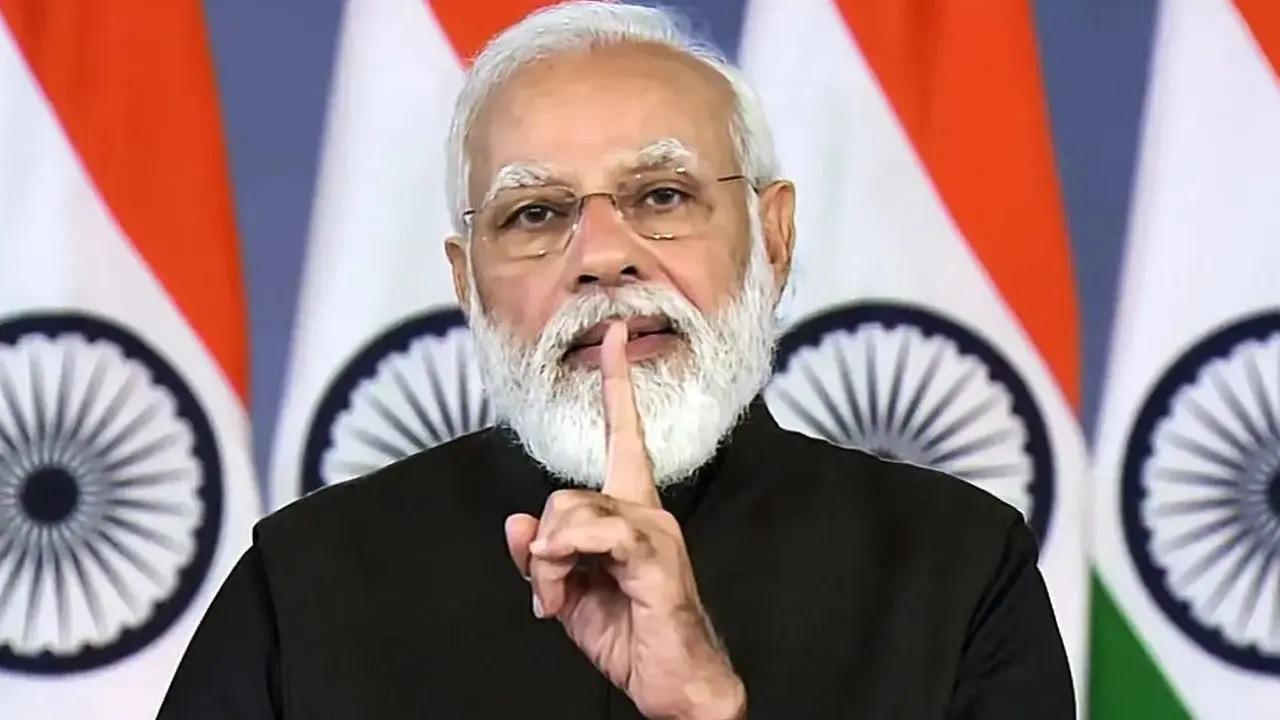
05 January,2026 04:04 PM IST | Mumbai | mid-day online correspondentPrime Minister Narendra Modi on Monday hailed the Somnath Temple in Gujarat, which was rebuilt after repeated attacks by foreign invaders, as a symbol of the indomitable spirit of Indian civilisation. In a blogpost to mark 1,000 years since the first attack on the Somnath Temple, the prime minister said, "There can be no better example of our civilisation's indomitable spirit than Somnath, which stands gloriously, overcoming odds and struggle". The prime minister also took a swipe at then prime minister Jawaharlal Nehru, saying the opening of the temple in 1951 did not enthuse him. Modi said 2026 marked 1,000 years since the first attack on the Somnath Temple took place and despite repeated attacks subsequently, the temple stands tall. "This is because Somnath's story is about the unbreakable courage of countless children of Bharat Mata who protected our culture and civilisation," the prime minister said. He said it was the same spirit that was visible in the nation, which has emerged as one of the brightest spots of global growth, having overcome centuries of invasions and colonial loot. "It is our value systems and the determination of our people that have made India the centre of global attention today. The world is seeing India with hope and optimism. They want to invest in our innovative youngsters," the prime minister said. "Our art, culture, music and several festivals are going global. Yoga and Ayurveda are making a worldwide impact, boosting healthy living. Solutions to some of the most pressing global challenges are coming from India," Modi said. The prime minister said the aggressors of the past were now "dust in the wind", their names synonymous with destruction. "They are footnotes in the annals of history, while Somnath stands bright, radiating far beyond the horizon, reminding us of the eternal spirit that remained undiminished by the attack of 1026," he said. "Somnath is a song of hope that tells us that while hate and fanaticism may have the power to destroy for a moment, faith and conviction in the power of goodness have the power to create for eternity," the prime minister said. Modi said if the Somnath Temple, which was attacked a thousand years ago and faced continuous attacks thereon, could rise again and again, then "we can surely restore our great nation to the glory it embodied a thousand years ago before the invasions." "With the blessings of Shree Somnath Mahadev, we move forward with a renewed resolve to build a Viksit Bharat, where civilisational wisdom guides us to work for the welfare of the whole world," the prime minister said. The temple was attacked and plundered many times, including by Turkish ruler Mahmud Ghazni in 1024 AD. Modi recalled that Sardar Vallabhbhai Patel played a key role in rebuilding the Somnath Temple after Independence. "A visit during Diwali time in 1947 moved him so much that he announced that the temple will be rebuilt there. Finally, on May 11th 1951, a grand Temple in Somnath opened its doors to devotees and Dr. Rajendra Prasad was present there," he said. Modi said Sardar Patel was not alive to see the opening of the Somnath Temple on May 11, 1951, but the fulfilment of his dream stood tall before the nation. "The then Prime Minister, Pandit Jawaharlal Nehru, was not too enthused with this development. He did not want the Honourable President as well as Ministers to associate with this special event. He said that this event created a bad impression of India. But Dr. Rajendra Prasad stood firm and the rest is history," Modi said. This story has been sourced from a third party syndicated feed, agencies. Mid-day accepts no responsibility or liability for its dependability, trustworthiness, reliability and data of the text. Mid-day management/mid-day.com reserves the sole right to alter, delete or remove (without notice) the content in its absolute discretion for any reason whatsoever.
05 January,2026 02:03 PM IST | New Delhi | PTIAs Bengaluru edged into the final hours of the year, Argy help party-goers end 2025 with a bang of good music before they welcomed the new year. The Greek DJ and producer, who came to India on a three-city tour, produced by Sunburn, crafted an immersive melodic techno set that unfolded and mesmerised the attendees to make them forget about the countdown into 2026. After performing in Delhi-NCR and Goa, Argy drew the crowd into his world of deep basslines, cinematic melodies and extended builds making people enjoy every thumping beat from the moment he stepped behind the console. The DJ's curated selections moved fluidly with euphoria, keeping the dancefloor fully engaged throughout the night. Standout moments came through tracks such as ‘Boom’, ‘Aria’, ‘Voices In My Head’, ‘Higher Power’, ‘Pantheon’ while seamless transitions ensured an uninterrupted, evolving energy from start to finish. The production complemented the music with understated precision. Atmospheric lighting and sharp strobes worked in harmony with the sound, allowing the music to lead while subtly amplifying its emotional peaks. While phones rose to capture fleeting moments, much of the crowd remained fully present, immersed, connected and moving together in sync. Bengaluru’s response reflected a city increasingly in love with deeper, more immersive electronic music experiences as it is known to be for many decades. From seasoned techno loyalists to first-time Argy listeners, the audience locked into the drop as one, turning the dancefloor into an instant party on the last day of the year. With releases on influential labels such as ‘Afterlife’ and ‘Renaissance’, he has become one of the genre’s most recognisable voices. Ranked among the most Shazam-ed techno artists globally and a Beatport all-time best-seller, his music consistently bridges emotion and movement. His latest album ‘New World', which has crossed 100 million streams on Spotify, reflects a sound that resonates far beyond the dancefloor. Talking about Argy’s incredible tour wrapping up the year with a monumental end, Karan Singh, who is the CEO of Sunburn, said, “Riding on the momentum of his standout Sunburn Festival 2024 set, Argy’s return to India culminated in a highly successful three-city Sunburn tour. With immersive visuals, world-class production and a deeply emotional sound, the shows resonated strongly with audiences, reflecting the growing appetite for experience-led, story-driven techno. Closing the year on a high, Argy’s Bengaluru performance stood out as a defining moment - powerful, intimate and the perfect way to step into the new year.”
02 January,2026 02:11 PM IST | Bengaluru | mid-day online correspondentThe Kerala Literature Festival (KLF) 2026 has announced renowned NASA astronaut Sunita Williams as a key participant and Guest of Honour for its upcoming edition. DC Books, the organiser of KLF, made the announcement through its social media platforms, sharing a poster welcoming Sunita Williams to the festival. The post reads, "Her name is etched in space. We are over the moon to announce that the legendary astronaut Sunita Williams will be joining us as our Guest of Honour. Get ready for an out-of-this-world experience with Sunita Williams at the Kerala Literature Festival. Don't miss this chance to listen to a woman who has proved that courage knows no boundaries." KLF 2026 will feature over 500 speakers from across the globe, with Germany announced as the guest nation for this year's edition. The speaker line-up includes Nobel Laureates Abdulrazak Gurnah, Olga Tokarczuk, and Abhijit Banerjee; Olympian Ben Johnson; business leader Indra Nooyi; artist and illustrator Cheyenne Olivier; writer Gabriela Ybarra; economist Arvind Subramanian; linguist and author Peggy Mohan; author and columnist Shobhaa De; writer and former diplomat Amish Tripathi; actor and singer Piyush Mishra; curator Helen Molesworth; writer and activist Banu Mushtaq; writer and journalist Deepa Bhasthi; essayist Pico Iyer; environmental activist Dr Vandana Shiva. Jnanpith award-winning writer Pratibha Ray; historian Romila Thapar; novelist Anita Nair; noted Telugu author Volga; conservation biologist Neha Sinha; actor and social commentator Prakash Raj; author-diplomat Pavan K. Varma; author, parliamentarian and public intellectual Dr Shashi Tharoor; Indian comedian Vir Das; and Tamil film director and activist Pa. Ranjith, among others. Held annually in Kozhikode, India's first UNESCO City of Literature, the Kerala Literature Festival has emerged as one of the world's largest literary gatherings. The previous edition recorded over 6.5 lakh visitors and featured more than 600 speakers. Set against the backdrop of Kozhikode Beach, KLF continues to provide an open and inclusive platform for dialogue, creativity, and the exchange of ideas. This story has been sourced from a third party syndicated feed, agencies. Mid-day accepts no responsibility or liability for its dependability, trustworthiness, reliability and data of the text. Mid-day management/mid-day.com reserves the sole right to alter, delete or remove (without notice) the content in its absolute discretion for any reason whatsoever.
02 January,2026 01:42 PM IST | Kozhikode | ANIAs the clock strikes midnight and fireworks light up the sky, the world will come together to welcome the new year as people move from 2025 to 2026 with hope, excitement, and renewed energy. The new year is a gentle reminder that no matter how challenging or joyful the past months have been, life always gives us another chance to begin again. It is not just about changing dates on the calendar, but about embracing new dreams, learning from the past, and moving forward with positivity. The new year is the perfect time to express gratitude to our loved ones and share warm wishes that strengthen bonds with family and friends. Sharing New Year wishes, messages, status updates, and images has become a beautiful tradition that helps us stay connected with our family and friends, even across distances. A simple message can brighten someone’s day, while heartfelt words can strengthen bonds and spread positivity; these words help spread joy and optimism as we welcome 2026. While there are many of you who are already good at it, here are some wishes for you to share with your loved ones. Happy New Year 2026 wishes May 2026 bring happiness, good health, and success to you and your family. Happy New Year!Wishing you 12 months of peace, 52 weeks of joy, and 365 days of smiles in 2026.May the New Year open doors to new opportunities and brighter days ahead. Happy New Year 2026 messages for family Dear family, thank you for being my strength and support. May 2026 bless us with togetherness, love, and endless happiness.As we welcome 2026, I wish our home is filled with warmth, laughter, and good memories all year long.May this New Year bring prosperity, harmony, and good health to every member of our family. Happy New Year 2026 messages for friends Cheers to friendship, laughter, and unforgettable moments in 2026. Happy New Year, my friend!May our bond grow stronger and our days brighter in the year ahead. Wishing you a fantastic 2026.Thank you for making life more beautiful. Let’s create more memories in the New Year. Happy New Year 2026 status and captions New year, new hopes, new dreams. Welcome 2026!Turning the page to a brand-new chapter. Happy New Year 2026 Let go of the past and embrace the future. Cheers to 2026!
01 January,2026 04:17 PM IST | Mumbai (Maharashtra) | mid-day online correspondentADVERTISEMENT














-1767164359022_d.png "Representational Image. File Pic")