
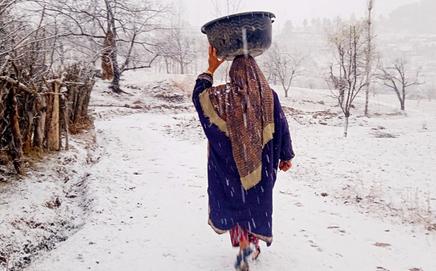
Kashmiri Pandits have renewed their resolve to celebrate Navreh, the first day of the New Year according to the Kashmiri Hindu calendar, in the Valley from next year, terming it a symbolic step towards reconnecting with their ancestral homeland, community members said. Navreh, which is celebrated by Kashmiri Pandits on the first day of the month of Chaitra, is traditionally dedicated to Goddess Sharika and marks the beginning of a new year in the Saptarshi calendar. The festival, which will be celebrated on March 19 this year, holds immense religious and cultural significance for the community. "The Navreh Mahotsav is a poignant homecoming movement. The festival would be observed not only in Jammu, but in several cities across the country and abroad, reflecting widespread participation of the community," Kashi Nath Pandita, scholar and convenor of the Navreh Mahotsav Aayojan Samiti-2026, told reporters here. Pandita, who was awarded the Padma Shri in 2017 for his contributions in the fields of literature and education, said, "The members of the displaced community have collectively reaffirmed their resolve to return and celebrate Navreh in their ancestral birthplace in Kashmir next year." "Navreh marks the beginning of the new year and carries deep astronomical and cultural significance. The festival traditionally begins with early morning rituals, including 'pooja' and 'darshan' of the Navreh Thali, symbolising prosperity, knowledge and continuity of life," he said. The second day of the celebrations, March 20, will be observed as Shaurya Divas to commemorate the valour and leadership of the 8th-century Karkota monarch of the Kashmir region, Samrat Lalitaditya. "The concluding Mahotsav will be held at the Abhinav Theatre here, featuring cultural performances, intellectual discourses and tributes to historical icons," Panditia said. Co-convenor of Navreh Mahotsav Aayojan Samiti-2026, Brij Lal Bhat, said the festival symbolises the community's aspiration to reconnect with its roots. Bhat, a recipient of the Padma Shri award this year in the Unsung Heroes category, also called for incorporating the contributions of Acharya Shreya Bhat and Samrat Lalitaditya into the academic curriculum of the Jammu and Kashmir Board of School Education. The chairman of the Sanjeevani Sharda Kendra (SSK) and chief spokesperson of the Navreh Mahotsav Aayojan Samiti, M K Bharat, said that according to the Hindu calendar, Amavasya and Chaitra Shukla Pratipada fall on the same day this year, resulting in the confluence of Tyag Divas and Sankalp Divas and reducing the three-day festival to two days. Bharat also invited all sections of society to participate in the celebrations, describing the festival as a vibrant expression of cultural resurgence, bridging the past with the future. The Navreh Mahotsav has been organised annually since 2021, and this year marks its sixth edition, Bharat said. Celebrating the festival in exile for decades after migrating from the Valley in the early 1990s, Kashmiri Pandits have been observing the festival in Jammu and elsewhere while simultaneously expressing a desire to return to the Valley. This story has been sourced from a third party syndicated feed, agencies. Mid-day accepts no responsibility or liability for its dependability, trustworthiness, reliability and data of the text. Mid-day management/mid-day.com reserves the sole right to alter, delete or remove (without notice) the content in its absolute discretion for any reason whatsoever.
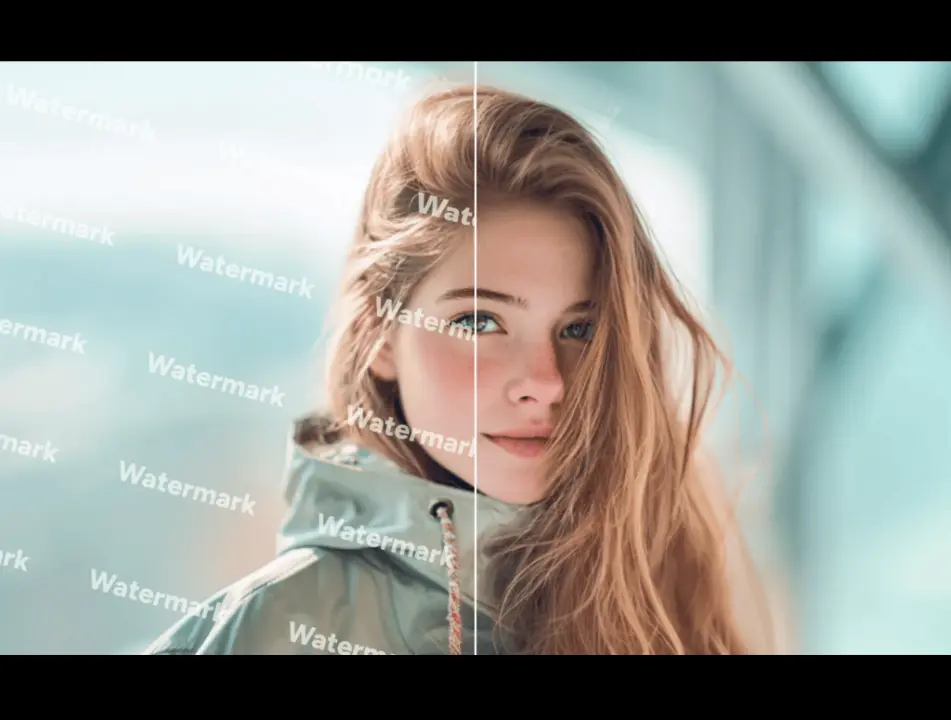
18 March,2026 10:14 PM IST | Jammu | PTICreating a compelling design mockup is a delicate process. You've spent hours aligning elements, choosing fonts, and crafting the perfect layout. But when you present it to a client, their eyes are drawn to one thing: the distracting, ugly watermark plastered across your background image. This common problem forces a difficult choice. Do you use a watermarked stock photo that undermines your design, or do you find a better way to create clean previews? This guide compares the traditional stock photo workflow with using a tool like Unwatermark.ai. We'll explore how each approach impacts your ability to create crisp, clean mockups for client presentations. Understanding the strengths and weaknesses of both can save you time, improve client feedback, and lead to better final designs. The Traditional Route: Watermarked Stock Photos Stock photography websites are vast digital libraries offering millions of high-quality images for commercial use. When you find an image you like, you can download a low-resolution, watermarked version for free. This allows you to place it in your design to see how it fits. The watermark serves as a copyright protection measure, ensuring the photographer or agency gets paid if you decide to use the image in a final, published project. The process is straightforward but has significant drawbacks for the mockup stage. The watermarks, which can be tiled logos or diagonal lines, often obscure key details of the photo and clash with your design elements. This forces clients to "look past" the watermark, making it harder for them to visualize the final product and provide clear, constructive feedback. Key Features of Stock Photos The stock photo industry is built on a well-established model. Key features include massive, searchable databases where you can filter by orientation, color, subject, and more. They offer different licensing models, such as royalty-free, where you pay once to use the image multiple times, and rights-managed, which grants exclusive use for a specific period or purpose. This legal framework is essential for commercial projects, protecting you from copyright infringement claims down the line. Pros & Cons Pros Cons Legal protection for final projects Watermarks disrupt mockup visuals Access to millions of high-quality images Can be very expensive to license Advanced search and filtering tools Time-consuming to find the perfect image Clear licensing and usage rights Low-resolution previews can be blurry Best For Using watermarked stock photos is best for the final stages of a project when a budget has been approved for image licensing. It's the only way to legally secure high-resolution, clean images for public-facing websites, ad campaigns, and printed materials. It is the industry standard for final asset acquisition The Modern Solution: Unwatermark.ai Unwatermark.ai offers a different approach specifically for the design and approval process. It is a specialized tool that uses artificial intelligence to remove watermarks from images. This allows designers and agencies to create clean, professional-looking mockups using preview images from stock photo sites. The goal isn't to circumvent licensing for final use, but to present a design concept as it's meant to be seen, free from distracting watermarks. This tool functions as an intelligent Watermark Remover, using advanced algorithms to analyze the pixels behind a watermark and reconstruct the area. The result is a clean image that can be used to get clear, unambiguous feedback from clients or stakeholders. By presenting a polished mockup, you make the approval process smoother and faster. Beyond just removal, the platform also works as a powerful AI Photo Editor. It can enhance image quality, upscale low-resolution previews, and make other adjustments to ensure your mockup looks as crisp as possible. This dual functionality makes it an essential tool for creating high-fidelity design presentations before committing to expensive stock photo licenses. Key Features of Unwatermark.ai Unwatermark.ai is designed for speed and simplicity. Its core feature is the AI-powered removal engine that can handle various types of watermarks, from opaque logos to semi-transparent repeating patterns. It often includes batch processing, allowing you to upload and clean multiple images at once. The user interface is typically simple, requiring just an upload and a click to process an image, making it accessible to users of all skill levels. Pros & Cons Pros Cons Creates clean, professional mockups Primarily for "fair use" mockup scenarios Helps clients visualize the final design Removal quality can vary with watermark complexity Saves money during the draft phase Does not grant a legal license for final use Fast, efficient, and easy to use Requires an extra step in the workflow Best For Unwatermark.ai is ideal for graphic designers, web designers, and marketing agencies during the conceptual and revision stages of a project. It shines when you need to present multiple design options to a client without the immediate cost or visual distraction of stock photos. It’s a "try before you buy" tool that improves the quality of your presentations and helps secure client approval more effectively. Side-by-Side Comparison Summary To make the choice clearer, here’s a direct comparison of using traditional watermarked stock photos versus Unwatermark.ai for creating mockups. Feature Watermarked Stock Photos Unwatermark.ai Primary Use Final, licensed asset acquisition Creating clean mockups for approval Mockup Quality Poor (distracting watermarks) Excellent (clean and professional) Cost Model Free for previews, expensive for licenses Subscription or credit-based for processing Workflow Impact Forces clients to ignore watermarks Streamlines feedback and approval Speed Fast to download previews Fast to process and clean images Legality The legal standard for final use For presentation and "fair use" only Final Recommendation So, which approach is right for you? The answer is not to choose one over the other, but to use each for its intended purpose. Use watermarked stock photos when you are browsing for options and when you are ready to purchase the final, high-resolution asset for a published project. The license is non-negotiable for commercial use and protects you and your client from legal issues. It is the final step in your design workflow. Use Unwatermark.ai during the critical in-between phase: creating and presenting mockups. Its ability to produce a clean, crisp preview is invaluable for getting clear client feedback. By showing a polished concept, you remove distractions and help stakeholders visualize the true potential of your design. This leads to faster approvals, fewer revisions, and a more professional presentation. ltimately, integrating Unwatermark.ai into your workflow doesn't replace the need to license stock photos. Instead, it enhances the process, ensuring you only spend money licensing the perfect image after your client has already approved a beautiful, watermark-free mockup.
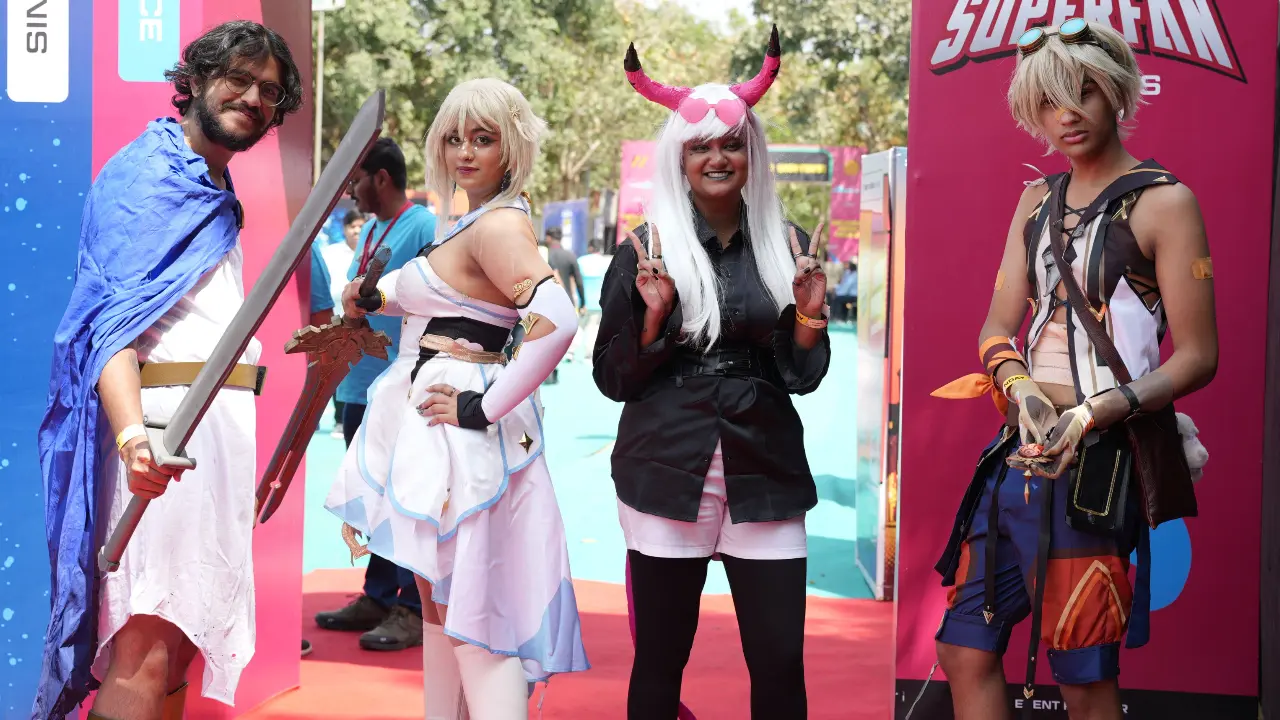
18 March,2026 02:20 PM IST | Mumbai | The Guide TeamGurugram Comic Con has wrapped up its inaugural edition at Gym Khana Club Ground, marking the city’s first-ever Comic Con. The debut weekend reflected Gurugram’s growing community of comic readers, anime enthusiasts, gamers and pop culture fans who brought their energy to the Millennium City’s newest cultural gathering. From the moment gates opened on March 14, young professionals, students, creators, and fandom communities moved across the venue exploring artist alleys, graphic novel displays, collectible stalls, gaming arenas, and live stage programming. Indians navigated between creator sessions, live performances, and immersive brand activations. In a city known for its corporate parks, global offices, and bustling tech corridors like Cyber City and Udyog Vihar, the weekend offered fans a chance to step away from boardrooms and coworking spaces and step into a world of comics, cosplay, and fandom. The creators’ stage remained one of the biggest attractions across the weekend. Fans gathered for sessions with artists and storytellers including internationally acclaimed comic artist Raymund Bermudez alongside Indian creators and illustrators who shared insights into storytelling, visual design, and the growing global footprint of comic culture. Another highlight of the programming included conversations around animation and storytelling with the team behind Mahavatar Narasimha, offering audiences a closer look at the craft behind bringing mythology to animated life. Creator-led sessions and live art showcases continued to draw enthusiastic participation, reinforcing the strong creative culture within India’s comic and illustration community. Music, performances, and comedy kept the stage buzzing throughout the weekend. Comic Con Jukebox delivered energetic live sets featuring performers by prominent Indian rappers like Ikka, Dharmik (Madhusubdhan Sharma), while Gini, a young rising star in the Indian independent music scene also swayed the fans, turning the arena into a lively celebration of fandom and music. The Comic Con Comedy Showcase also played to packed audiences, with comedians including Jaspreet Singh and Onkar Yadav entertaining fans with humour drawn from everyday life and pop culture references. Cosplay once again emerged as one of the defining highlights of the Gurugram edition. Participants brought a wide spectrum of characters to life from anime, gaming, films, and comic book universes, including fan favourites such as Spider-Man, Deadpool, Batman, Naruto Uzumaki, Tanjiro Kamado from Demon Slayer, Monkey. D. Luffy from One Piece, Harley Quinn, and Geralt of Rivia from the Witcher. The Gurugram Comic Con Cosplay Contest drew large crowds across both days as more than 250 cosplayers competed for a daily cash prize of Rs 30,000, showcasing detailed costumes and performances that captured the imagination of the audience. The Indian Championship of Cosplay – Gurugram Qualifier, concluded on Sunday, where Vandana Sharma, cosplaying as an Orc from Warcraft, won the title along with Rs 50,000 and a qualifying entry to the ICC Finals 2026. The competition saw over 250 cosplayers from across the region bring their favourite characters to life on stage. The NODWIN Gaming Arena remained one of the most active zones of the venue across the weekend, with fans testing their skills through competitive challenges and interactive gameplay. Experience zones by Maruti Suzuki Arena and Crunchyroll also attracted strong participation as anime fans, gamers, and first-time visitors explored installations, activities, and exclusive fan experiences. Shefali Johnson, CEO, Comic Con India, said, “Gurugram is a city full of energy. During the week people are busy building companies, working across global teams, and moving between offices in Cyber City and along Golf Course Road. This weekend we saw many of those same people come together as anime fans, gamers, comic readers, and cosplayers. Watching superheroes and anime characters walk through the Millennium City created some really special moments for all of us. A large part of the Comic Con India team works out of Gurugram, so bringing the festival here for the first time felt very personal. The warmth and enthusiasm from the community has been wonderful to see, and it gives us a lot of excitement about growing Gurugram Comic Con in the years ahead.”
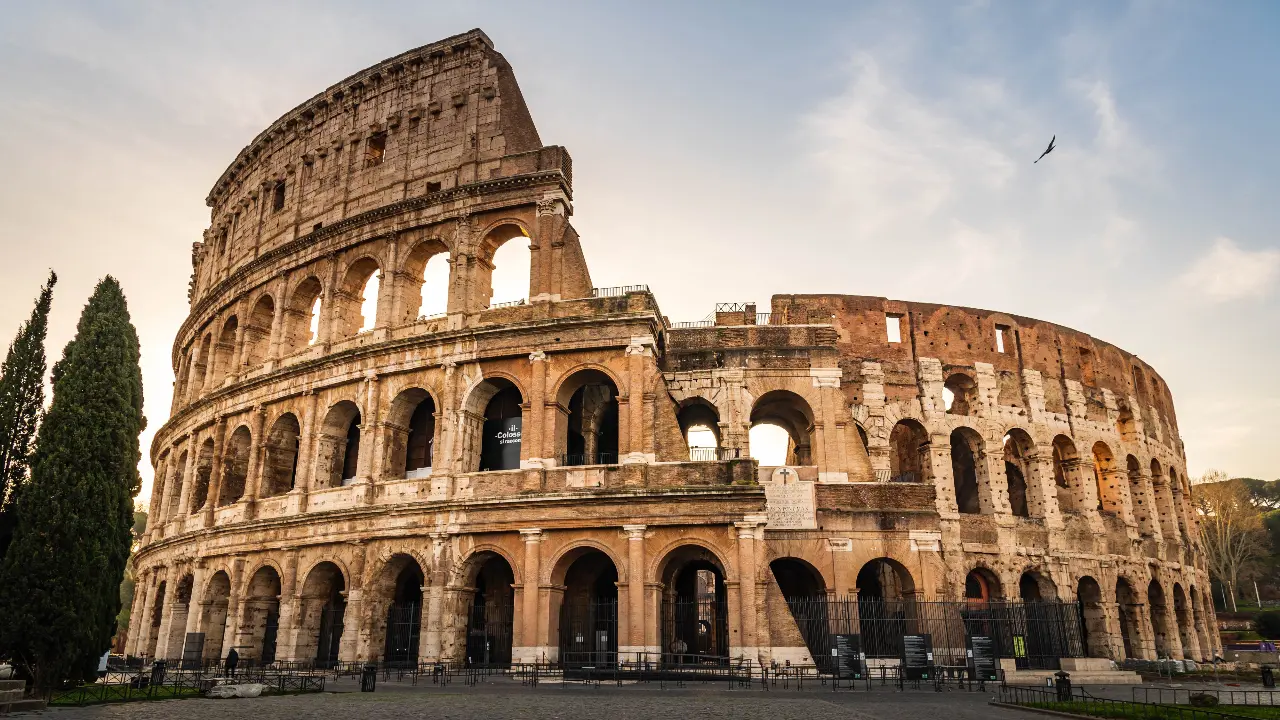
18 March,2026 02:01 PM IST | Gurugram | mid-day online correspondentThe Colosseum has a bright new look following a restoration using the same travertine marble of ancient Rome to recreate parts of columns from 2,000 years ago. Thousands of Romans once flocked to this arena to watch gladiators battle each other and wild animals. The structure still captures the public's imagination; it is Italy's most popular tourist destination, with nine million visitors in 2025 alone. The project focused on a semicircular piazza outside the arena, where Roman spectators crowded under two arcades comprised of marble columns stretching up to 50 meters (164 feet) high. People stood in these arcades as they waited to pass through the entrances and take their seats. Those arches are long gone, collapsing over the centuries from earthquakes and unstable ground. But now, tourists will be able to sit on large travertine marble slabs where the columns once stood and read reproductions of the Roman numerals that indicated seat sections. "These blocks of travertine marble are placed, located exactly where the pillars, the original pillars were based," said Italian architect Stefano Boeri, who designed the piazza. "The idea we had was to give back to the public the perception of the proportion of the arcades and the proportion of the vaults of the arches that were used to enter in the center of the Colosseum." Over time, the outside area became filled with detritus, including pieces of ruins, and overgrown with weeds. Restorers began by digging a meter (yard) to where the travertine paving stones once covered the entrance area. They discovered coins, statues, animal bones and a gold ring. Deeper down is the secret underground passageway where Emperor Commodus used to enter the Colosseum while avoiding the hoi-polloi, and which was opened to the public last year. Restorers sourced the new slabs of travertine from the same quarries where the ancient Romans retrieved theirs - and that today are used build a new generation of religious buildings, banks, museums, government buildings and private homes. "From the beginning we understood only one thing and that was that we wanted to be involved," Fabrizio Mariotti, head of the Mariotti Carlo stonecutting firm that has been carving travertine to order for four generations in Tivoli, said Tuesday while sitting on a slab of the stone. "For a family like ours that has been working with travertine for four generations, working at the Colosseum, which is the symbol not only of Rome but also of this material, is so important." Earlier this year, the city of Rome opened two new subway stations, one deep beneath the Colosseum completing a multi-billion euro metro project. The restoration of the Colosseum's perimeter was done using compensatory funds from the metro, project officials said. This story has been sourced from a third party syndicated feed, agencies. Mid-day accepts no responsibility or liability for its dependability, trustworthiness, reliability and data of the text. Mid-day management/mid-day.com reserves the sole right to alter, delete or remove (without notice) the content in its absolute discretion for any reason whatsoever
18 March,2026 11:19 AM IST | Rome | APThe first edition of the UN40 Music Festival concluded on a high note at NICE Grounds in Bengaluru, drawing close to 18,000 people over two days. The event brought together music, comedy, food, and interactive experiences, creating a lively and engaging atmosphere for attendees. Organised by Saregama Live, the festival was designed to go beyond the idea of a traditional concert and offer a full-day immersive experience. More than just a music festival UN40 was curated as a space where entertainment extended beyond the main stage. Alongside live music performances, the venue featured creator-led comedy acts, interactive games, gaming zones, and curated food stalls. A major highlight was the buzzing beer garden, which hosted the FilterCopy pre-game party and additional creator performances. Every section of the venue offered something unique, encouraging visitors to explore and engage with different experiences throughout the day. A diverse musical line-up The festival featured a wide mix of artists across both days, keeping the crowd engaged with varied musical styles. Performers included Aditya Rikhari, Shalmali Kholgade, Paradox, Pragati Nagpal, Raja Kumari, Reble, Thaikkudam Bridge, Paal Dabba and Maahi, among others. Day 1 ended with a high-energy headline performance by Himesh Reshammiya, who had the audience singing along to his popular tracks. On Day 2, Talwiinder took over the stage, delivering a performance that brought the festival to a memorable close. Unexpected experiences across the venue Beyond music and performances, the festival stood out for its unique and feel-good elements. Attendees enjoyed small but thoughtful experiences spread across the venue were roaming masseuses offering quick relaxation breaks, surprise shots being served in the crowd, photographers capturing candid moments, and interactive activities popping up at different corners. These elements encouraged people to pause, participate, and fully enjoy the festival atmosphere with friends, making the experience more personal and engaging. The vision behind UN40 Speaking about the idea behind the festival, Siddharth Anand Kumar, Executive Vice President – Films, Series and Events at Saregama, said that audience expectations from live entertainment are changing. He explained that people today want more than just performances, they seek complete experiences. With UN40, the goal was to create a festival where visitors could spend the entire day discovering something new, whether it was music, comedy, food, games, or spontaneous moments. He added that it was rewarding to see audiences embrace this concept over the two days. Looking ahead to 2027 With a strong turnout and enthusiastic response, the debut edition of the UN40 Music Festival has established itself as a fresh addition to Bengaluru’s live entertainment scene. Building on this success, organisers have already announced that the festival will return for its second edition in February 2027, promising an even larger and more dynamic celebration of music, culture, and shared experiences.
17 March,2026 02:59 PM IST | Mumbai | mid-day online correspondentMumbai witnessed a memorable cultural evening as artist Nandita Desai launched her fifth solo exhibition, The Painted Window, at Kamalnayan Bajaj Art Gallery in Nariman Point. The show, curated by Praful Satokar, drew art lovers, prominent personalities, and close associates of the artist. The Painted Window will be now open to visitors until March 21, 2026 Venue: Kamalnayan Bajaj Art Gallery, Nariman Point Time: 11 am to 7 pm daily Dignitaries grace the opening The exhibition was inaugurated by Nawaz Modi Singhania and Nidhi Choudhari, who both shared personal reflections on Desai’s work and journey. The evening also saw the presence of noted guests such as Raell Padamsee, Aneel Kashi Murarka, and several artists and collectors from the city’s art circle. The idea behind ‘The Painted Window’ At the heart of The Painted Window lies a simple yet powerful concept -the window as a symbol of memory, reflection, and connection. The exhibition showcases close to 50 artworks created on a mix of vintage and handcrafted windows. Desai re-imagines these everyday architectural elements as artistic expressions that encourage viewers to reflect on their inner selves while also engaging with the outside world. Many of the windows used in the artworks have been sourced from abandoned or demolished homes, while others have been specially crafted using repurposed wood. Each piece carries a quiet sense of history, intimacy, and renewal. A personal and emotional connection During the inauguration, Nawaz Modi Singhania shared a personal connection, recalling Desai as her professor of Ancient Indian Culture during her time at St. Xavier’s College. She remembered Desai as an engaging and lively teacher who made even complex subjects interesting and easy to understand. She also praised the artworks, describing them as visually captivating and a true reflection of Desai’s artistic talent. Nidhi Choudhari reflected on the deeper emotional meaning of windows, describing them as silent witnesses to life’s many moments, dreams, conversations, joy, longing, and memories. She pointed out that the use of windows from ordinary homes, rather than grand or decorative structures, gives the exhibition a strong sense of relatability. According to her, viewers may find echoes of their own lives in these works, whether through memories of a childhood home, a grandparent’s house, or familiar everyday spaces. Blending materials and memories Drawing inspiration from her own childhood especially memories of moving homes and spending time by windows. Desai approaches these structures as metaphors for balancing one’s inner world with the outside environment. Her artistic process involves a rich mix of materials, including glass colours, natural oxide polishes, stains, varnishes, wax crayons, shellac, oils, acrylics, pastels, jute, and hemp. This diverse use of mediums highlights her preference for natural textures and layered surfaces, resulting in artworks that feel both nostalgic and contemporary, deeply rooted in history yet expressive in a modern context.
17 March,2026 02:25 PM IST | Mumbai | mid-day online correspondentExplore over 1,00,000 books, fill a box with as many titles as you can, and experience author sessions, curated genres, and a unique community-driven book exchange till March 15 at Phoenix Palladium. It brings the joy of storytelling and reading to the forefront with 'Lock The Box', a large-scale experiential book fair designed to bring together readers, families and literary enthusiasts. Having started on March 6, the event is currently running at The Courtyard and will continue till today, transforming the space into a lively literary destination. From contemporary fiction and thrillers to classics, children’s literature and coffee table books, visitors can explore an expansive collection that encourages discovery and leisurely browsing. At the heart of the event is the much-loved “Lock The Box” challenge, where readers purchase a box and fill it with as many books as possible — as long as the lid closes flat — turning book shopping into a playful treasure hunt. The boxes are divided into three main categories: Odysseus Box (Rs 1,199) - approximately 8–10 books; Perseus Box (Rs 1,999) - approximately 15–17 books; Hercules Box (Rs 2,999) - approximately 25–28 books. Visitors can also bring along their pre-loved books to sell at the event, creating a lively community exchange that encourages reading, sharing and rediscovering stories. Whether you’re an avid reader, a casual book browser, or introducing young readers to the magic of books, Lock The Box at Phoenix Palladium promises a meaningful literary celebration of stories, voices and community. Where: The Courtyard, Phoenix Palladium, Lower ParelDate: Till March 15 Time: 11 am – 9 pm
15 March,2026 02:01 PM IST | Mumbai | mid-day online correspondentIndian classical musician and sitarist Rishab Rikhiram Sharma will perform with an LED-enhanced electric sitar during the India leg of his upcoming 10-city 'Sitar for Mental Health Tour 2026'. The instrument, which is said to be India's first, according to the press release, is titled ‘SITARA – The Next-Generation Electric Sitar’. It has been conceptualised and built by his father, master luthier Sanjay Sharma, marking a significant advancement in the evolution of the sitar and contemporary classical music. Designed as a state-of-the-art reinterpretation of the traditional instrument, the new-age sitar aims to build on a lineage of experimental sitars developed by Sanjay and Manjul Sharma’s Rikhi Ram’s Music, including the Rik-E-Sitar and the Studio Sitar. The new model integrates modern sound design, portability and lighting technology, while retaining the tonal character of the classical sitar. The instrument has been developed to expand the sitar’s role in contemporary performance contexts, particularly across film music, fusion and global live productions. Explaining the vision behind the instrument, Sanjay Sharma says, “SITARA was created to give sitarists the ability to step into contemporary musical spaces where the electric guitar is often used. The idea was to enable sitar players to perform modern arrangements especially in Bollywood, fusion and world music, without needing to learn another instrument. While the acoustic sitar remains the soul of classical music, this instrument opens exciting possibilities for crossover and global performance.” A defining aspect of SITARA is its compact, ergonomic design, developed with modern touring musicians in mind. Unlike the traditional sitar, the instrument is lightweight and allows performers to play while standing, making it well suited for contemporary stage productions. “We wanted to design something practical for today’s performers,” Sharma explains. “The instrument is compact and travel-friendly, with a collapsible hand-rest frame and a custom-built active pickup system with volume and tone controls that can run through amplifiers and processors. At the same time, when played clean through an amplifier, it still retains the tonal character of a traditional sitar.” The instrument also features an integrated LED interface with over, allowing the sitar to visually complement live performances through synchronized lighting effects. “The high-density over 140 LEDs interface adds a visual dimension to the music,” Sharma adds. “It was developed after Rishab’s last India tour in 2024, as he wanted to enhance the visual experience for audiences during live shows. The lighting can adapt to the mood and theme of each performance, seamlessly blending sound and visual storytelling.” SITARA also introduces practical advantages for touring artists, including a silent-practice capability that allows musicians to rehearse through amplification systems without the acoustic projection of a traditional sitar. “One of the intentions behind the design was to make the sitar easier to live and travel with,” Sharma says. “Musicians can practice without disturbing others and carry the instrument far more easily than a traditional sitar.” SITARA continues the century-old legacy of Rikhi Ram’s Music, the historic instrument-making house founded in 1920, known for iconic creations such as the Studio Sitar (played by Pt. Ravi Shankar), Microphonic Sitar, E-rode (electric Sarod), microphonic Santoor and Tabla, Swarmandir (popularised by Daler Mehndi), Suroleen (Mandolin-Sarod hybrid) and the Rik-E-Sitar, among others. “No other sitarist has performed publicly with this instrument yet,” Sharma notes. “In the hands of a skilled musician, it can move fluidly between Indian classical ragas and Western genres such as blues, rock ’n’ roll and heavier fusion styles. The idea is not to replace tradition, but to expand what the sitar can do and how new audiences can experience it.” Following performances across North America, Europe, the Middle East and the United Kingdom, Rishab will bring the 'Sitar for Mental Health Tour 2026' to 10 cities across India between March and April, including Bengaluru, Mumbai, Pune, Hyderabad, Chennai, Jaipur, Ahmedabad, Chandigarh, Kolkata and New Delhi. The tour is promoted and produced by Team Innovation and District by Zomato. Tour dates:Bengaluru - March 15Mumbai - March 20Pune - March 22Hyderabad - March 27Jaipur - March 29Chennai - April 3Ahmedabad - April 5Chandigarh - April 10Kolkata - April 12New Delhi - April 19
15 March,2026 01:06 PM IST | Bengaluru | mid-day online correspondentThe vibrant spirit of Goa’s traditional spring festival came alive in the capital city as the Department of Tourism, Government of Goa, organised the grand Shigmo parade in Panaji, drawing large crowds of locals and visitors who gathered to witness the spectacular cultural showcase. The Shigmotsav 2026 Float parade was flagged off by Shri Rohan A. Khaunte, Hon. Minister for Tourism in the presence of Kedar J. Naik, Chairman, GTDC & Hon. MLA, Saligao Constituency; Kedar Naik, Director, Department of Tourism, and officials from the Goa Tourism Department and members of the Panjim Shigmotsav Committee. Speaking on the occasion, Rohan A. Khaunte, Hon. Minister for Tourism, “Shigmo is a festival that reflects the vibrant cultural identity and traditions of Goa. The enthusiastic participation of our communities and cultural troupes keeps our heritage alive and allows both residents and visitors to experience the true spirit of Goa. Such celebrations play an important role in preserving our rich traditions while strengthening Goa’s cultural tourism.” Kedar J. Naik, Chairman, GTDC, said “Shigmo is one of Goa’s most cherished cultural festivals, deeply rooted in our traditions and community spirit. Through initiatives like these parades, we are not only preserving our cultural heritage but also presenting the authentic essence of Goa to the world. Under our vision of regenerative tourism, such festivals play an important role in strengthening community participation, supporting local artistes, and showcasing Goa beyond its beaches.” The colourful procession featured a captivating display of traditional folk performances, elaborate floats, and cultural tableaux depicting episodes from mythology and Goan heritage. Troupes from across the state participated with energetic performances of folk dances such as Ghode Modni, Romtamel, Fugdi, and Goff, creating a festive atmosphere along the parade route and highlighting Goa’s rich cultural traditions. Speaking on the occasion, Kedar Naik, Director, Department of Tourism, stated “The Shigmo parade in Panaji reflects the vibrancy and cultural diversity of Goa. The Department of Tourism remains committed to promoting our traditional festivals in a responsible and inclusive manner, ensuring that visitors and residents alike experience the richness of Goan culture while supporting local communities and cultural troupes.” The Panaji Shigmo parade forms part of the state-wide celebrations organised annually by the Department of Tourism, bringing together folk artistes, cultural groups, and communities from across Goa. The event continues to serve as a major cultural attraction, drawing thousands of spectators each year and reinforcing Goa’s identity as a destination that celebrates its heritage, traditions, and vibrant cultural life. The celebrations concluded on a high note with enthusiastic participation from cultural troupes and appreciation from the audience, reaffirming Shigmo’s place as one of Goa’s most iconic and eagerly awaited festivals.
15 March,2026 09:09 AM IST | Panaji | mid-day online correspondentThe opening day of the NH7 Weekender 2026 kicked off with electrifying performances and packed crowds at Mahalakshmi Lawns in Pune. Thousands of music lovers gathered to celebrate what is widely known as the “happiest music festival”. From early afternoon, fans thronged the stages, moving between performances, discovering emerging artists and soaking in the vibrant festival atmosphere that has become synonymous with the annual event. Talwiinder mesmerises Pune Talwiinder performing at NH7 Weekender on Friday. (Pic/Special arrangement) One of the biggest highlights of the NH7 Weekender on the first day was the performance by Talwiinder. The Punjabi singer whose genre-blending sound combining Punjabi pop with alternative R&B drew a massive crowd. His 1-hour set resonated strongly with younger audiences, turning the stage into one of the most energetic moments of the day as fans sang along to his popular tracks. Nucleya made the Punekars groove to his beats Electronic music powerhouse Nucleya also delivered a high-voltage performance, marking his much-anticipated return to the festival. Known for his explosive live sets, the artist transformed the festival grounds into a pulsating celebration of bass music and electronic beats, keeping fans dancing late into the night. The festival also showcased several rising voices in India’s independent music scene. Acts like Bandish Projekt captivated audiences with their signature blend of Indian classical elements and electronic music. Emerging performers such as Nanku and Karun also attracted enthusiastic crowds as festivalgoers explored new sounds across multiple stages. Other artists including Bombay The Artist, Kratex, Maan Panu, Pearlita and Reble added to the diverse lineup, reflecting the creative energy of India’s rapidly evolving independent music ecosystem. Comedy also played a key role in entertaining festivalgoers, with stand-up performances by Aaditya Kulshreshtha, popularly known as Kullu, along with Anish Goregaonkar and Sumaira Shaikh, bringing laughter and relatable storytelling to the festival grounds. Beyond the music and comedy, attendees explored a variety of festival experiences spread across the venue, creating an immersive atmosphere of culture, creativity and discovery. Tickets for Day 2 and Day 3 of ICONiQ White NH7 Weekender by NODWIN Gaming are available on the District by Zomato app, the festival’s official ticketing partner.
14 March,2026 12:36 PM IST | Pune | mid-day online correspondentPunjabi superstar Diljit Dosanjh has joined forces with international pop icon Sia and EDM legend David Guetta to release their new track, ‘Ranjha’. The song combines Punjabi soul with global pop and festival-ready electronic beats, creating an upbeat and heartfelt anthem. A blend of cultures and sounds ‘Ranjha’ is a true cross-continental collaboration. Diljit brings his signature Punjabi emotion, building on his success with hits like GOAT and Hass Hass. Sia contributes her powerful vocals, known worldwide from hits like Titanium and Cheap Thrills, while David Guetta adds high-energy EDM production, giving the song a festival-ready feel. The result is a track that captures love, heartache, and admiration, making it both catchy and moving. Sharing his thoughts about the collaboration and the song's Punjabi heart, Diljit Dosanjh said,“Ranjha carries that Punjabi heart but opens up to the world in a big way. Working with Sia again felt natural, and having David bring his energy just took it somewhere new. It’s one of those songs that makes you move but also feel something.” While David Guetta said that he loves it when different sounds come together in a fresh and unexpected way,“I love when different sounds come together in a fresh way." He added that the track has melody, rhythm, and attitude, everything he’s drawn to as a producer. "Working with Diljit and Sia was a great vibe, and we wanted to make something people could just press play on and feel instantly,” he added. A track for global fans Released via Warner Music India, ‘Ranjha’ blends desi romance, international pop, and dance-ready EDM. It’s now available on all major streaming platforms, making it accessible to listeners around the world. Whether you’re a fan of Punjabi music, pop, or electronic beats, this collaboration promises a track that is both emotional and infectious—a song for fans across continents.
14 March,2026 11:04 AM IST | Mumbai | mid-day online correspondentADVERTISEMENT







-1773738434420_d.png "Talwiinder and Himesh Reshammiya (right)")
-1773737140010_d.png "Nawaz Modi Singhania, Nidhi Choudhari inaugurate Nandita Desai’s ‘The Painted Window’ in Mumbai")


-1773412552053_d.png "Colourful floats and folk performers light up the streets of Panaji during the grand Shigmotsav 2026 parade in Goa. (Pic/Special Arrangement)")

-1773393305449_d.png "‘Ranjha’ brings Punjabi heart to international pop and EDM fans")