shot-button
E-paper E-paper
Home > Lifestyle News > Health And Fitness News > Article > Cats may help develop treatment for dementia Alzheimers in humans Study

Cats may help develop treatment for dementia, Alzheimer’s in humans: Study

Updated on: 13 August,2025 10:26 AM IST  |  New Delhi
IANS |

Scientists at the University of Edinburgh in the UK discovered a build-up of the toxic protein amyloid-beta in the brains of cats with the condition -- one of the defining features of Alzheimer’s disease

Cats may help develop treatment for dementia, Alzheimer’s in humans: Study

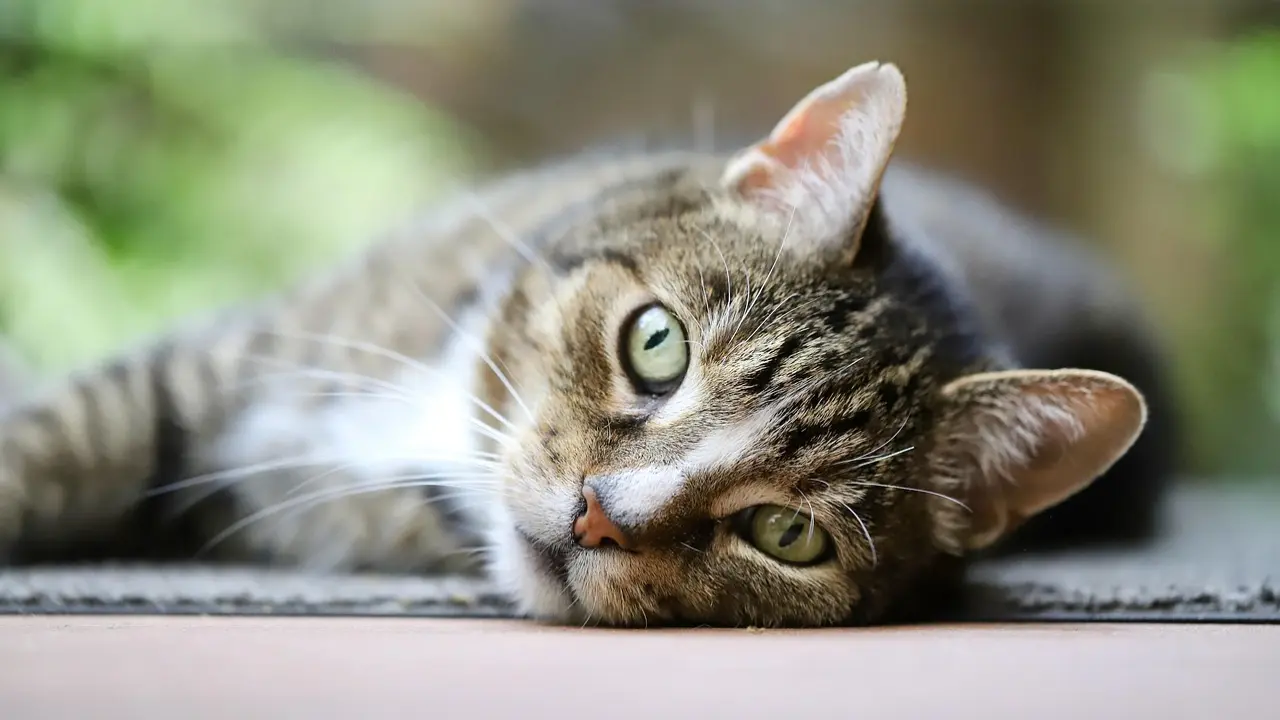
Image for representational purpose only. Photo Courtesy: File pic

Listen to this article
Cats may help develop treatment for dementia, Alzheimer’s in humans: Study
x
00:00

Cats with dementia share brain changes similar to humans with Alzheimer’s disease, offering a valuable model for studying the condition, according to a study on Tuesday. 

Scientists at the University of Edinburgh in the UK discovered a build-up of the toxic protein amyloid-beta in the brains of cats with the condition -- one of the defining features of Alzheimer’s disease.


Many older cats develop dementia, leading to behavioural changes such as increased vocalisation -- or meowing -- confusion and disrupted sleep -- symptoms similar to those seen in people with Alzheimer’s disease.


“The findings offer a clearer picture of how amyloid beta may lead to age-related brain dysfunction and memory loss in cats,” said Robert I. McGeachan, corresponding author, from the Centre for Discovery Brain Sciences at the varsity.

“Scientists studying Alzheimer’s disease in the past have relied heavily on genetically modified rodent models. Rodents do not naturally develop dementia, and studying cats with dementia has the potential to advance knowledge and help develop treatments for both cats and people,” he added.

The team examined the brains of 25 cats of different ages after they had passed away, including those with signs of dementia.

Powerful microscopy images revealed a build-up of amyloid-beta within the synapses -- connections between brain cells -- of older cats and cats with dementia.

Synapses allow the flow of messages between brain cells and are vital to healthy brain function. Their loss strongly predicts reduced memory and thinking abilities in humans with Alzheimer’s disease, according to the results published in the European Journal of Neuroscience.

The research team also found evidence that astrocytes and microglia -- types of support cells in the brain -- engulfed or ‘ate’ the affected synapses. This process, called synaptic pruning, is important during brain development but can contribute to synapse loss in dementia.

The findings will not only help to understand and manage dementia in cats but, given their similarities, could also contribute to the development of future treatments for people with Alzheimer’s disease, the team said.

This story has been sourced from a third party syndicated feed, agencies. Mid-day accepts no responsibility or liability for its dependability, trustworthiness, reliability and data of the text. Mid-day management/mid-day.com reserves the sole right to alter, delete or remove (without notice) the content in its absolute discretion for any reason whatsoever.

"Exciting news! Mid-day is now on WhatsApp Channels Subscribe today by clicking the link and stay updated with the latest news!" Click here!

Did you find this article helpful?

Yes
No

Help us improve further by providing more detailed feedback and stand a chance to win a 3-month e-paper subscription! Click Here

Note: Winners will be selected via a lucky draw.

Help us improve further by providing more detailed feedback and stand a chance to win a 3-month e-paper subscription! Click Here

Note: Winners will be selected via a lucky draw.

health fitness Health And Wellness Lifestyle news wildlife

Mid-Day Web Stories

Mid-Day Web Stories

This website uses cookie or similar technologies, to enhance your browsing experience and provide personalised recommendations. By continuing to use our website, you agree to our Privacy Policy and Cookie Policy. OK