


Antimicrobial peptides can control pathogens like Salmonella and E. coli, can also act as an alternative to antibiotics to help combat increasing antimicrobial resistance
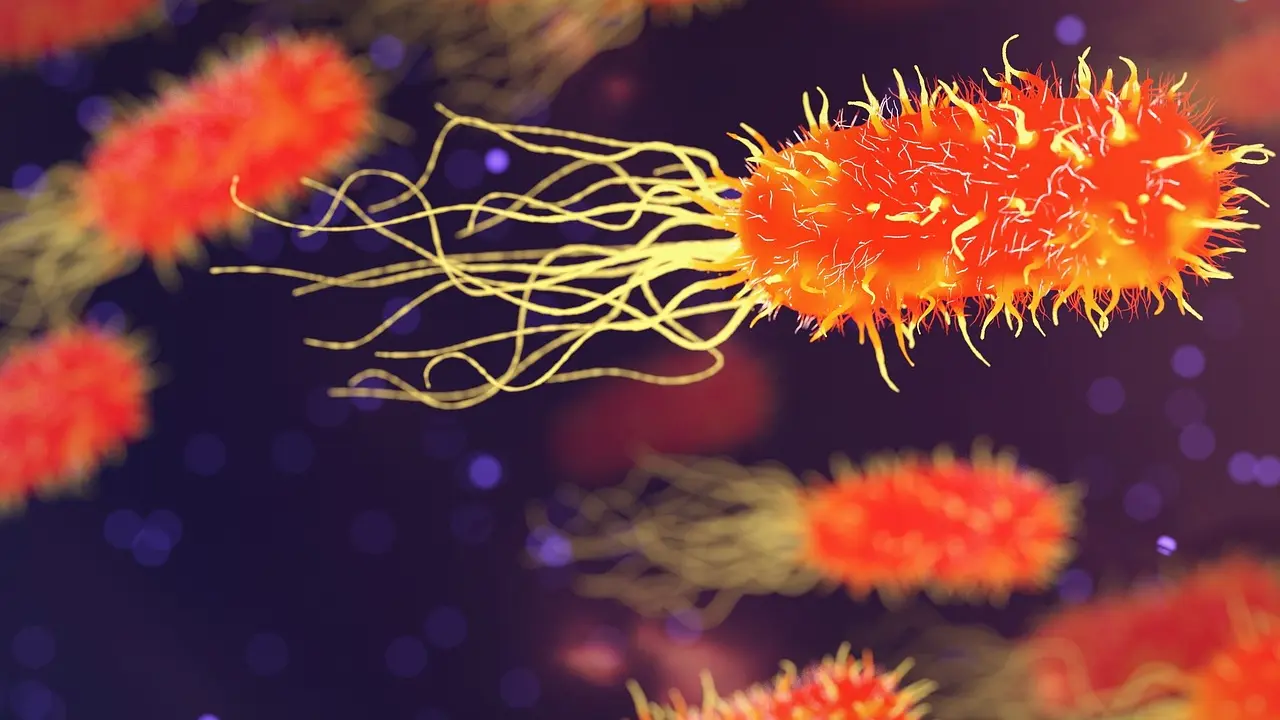
Image for representational purpose only. Photo Courtesy: File pic
Antimicrobial peptides can control pathogens like Salmonella and E. coli -- a major cause of foodborne diseases -- and can also act as an alternative to antibiotics to help combat increasing antimicrobial resistance (AMR).
Antimicrobial peptides, which are short chains of amino acids, have the potential to kill harmful bacteria without inducing resistance to antibiotics.
The findings show that antimicrobial peptides have the potential to improve food safety and protect public health without relying on antibiotic use.
“Antimicrobial peptides have the potential to be alternatives to antibiotics and thereby could mitigate antibiotic resistance,” said corresponding study author Gireesh Rajashekara, Professor at College of Veterinary Medicine, University of Illinois Urbana-Champaign.
“These peptides not only can kill Salmonella but also other related bacterial pathogens such as E. coli, so they could be really valuable in controlling a broad range of pathogens,” he added.
The researchers conducted their study to identify antibiotic alternatives to control Salmonella in chickens.
Salmonella is one of the major causes of foodborne illnesses in the US, and chickens and chicken products (eggs and meat) have been considered the main vehicles of Salmonella infection in humans.
In the new study, published in the journal Microbiology Spectrum, researchers identified a set of antimicrobial peptides that could kill many different types of Salmonella in test tubes, then showed they could also kill Salmonella in chickens.
The antibacterial activity of the peptides is likely due to their effect on Salmonella membranes. The researchers said the peptides retain their activity upon exposure to heat and protease treatments, characteristics necessary for the use of antimicrobial products in the poultry industry.
“We identified 2 antimicrobial peptides that kill many different types of Salmonella and also reduce Salmonella load in chickens,” Rajashekara said.
The expert noted that their next step "is to test these peptides in chickens on a large scale, optimise their delivery in water and/or feed, understand better how they kill Salmonella, and explore more peptides like these for their anti-Salmonella activity.”
This story has been sourced from a third party syndicated feed, agencies. Mid-day accepts no responsibility or liability for its dependability, trustworthiness, reliability and data of the text. Mid-day management/mid-day.com reserves the sole right to alter, delete or remove (without notice) the content in its absolute discretion for any reason whatsoever
 Subscribe today by clicking the link and stay updated with the latest news!" Click here!