shot-button
E-paper E-paper
Home > Lifestyle News > Health And Fitness News > Article > IIT Delhi develops new smart mosquito repellent detergents to protect against malaria dengue

IIT Delhi develops new smart mosquito-repellent detergents to protect against malaria, dengue

Updated on: 28 November,2025 01:17 PM IST  |  New Delhi
IANS |

Currently, the available protective measures against mosquitoes include liquids, coils, lotions, creams, roll-ons, sprays, and patches. However, these options come with their limitations


IIT Delhi develops new smart mosquito-repellent detergents to protect against malaria, dengue

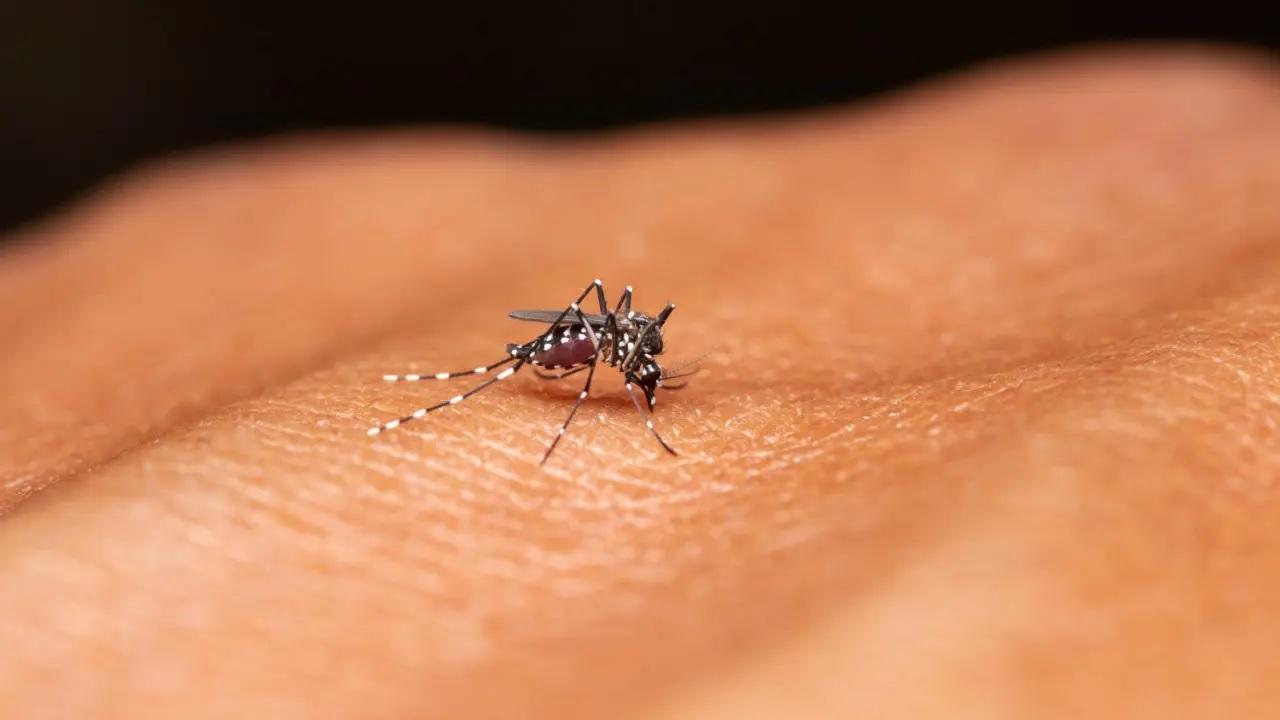
Image for representational purpose only. Photo Courtesy: File pic

Listen to this article
IIT Delhi develops new smart mosquito-repellent detergents to protect against malaria, dengue
x
00:00

Amid a rise in mosquito-borne diseases, including malaria, dengue, and chikungunya, researchers from the Indian Institute of Technology (IIT) Delhi on Thursday informed the development of an innovative mosquito repellent detergent. 

Currently, the available protective measures against mosquitoes include liquids, coils, lotions, creams, roll-ons, sprays, and patches.


However, these options come with their limitations in effectively repelling mosquitoes. For instance, topical formulations like creams and lotions may lose their effectiveness over time, which can increase the risk of mosquito bites and the associated diseases.


The new mosquito repellent detergents are available in both powder and liquid forms and maintain comparable wash-care properties, said the researchers.

“We have developed smart detergents to protect people from dangerous mosquito-borne diseases. The products have been tested in a commercial laboratory and have proven effective at repelling mosquitoes,” said Prof. Javed Nabibaksha Sheikh, Dept. of Textile and Fibre Engineering, from the IIT Delhi.

The testing involved a "hand-in-cage" method, where volunteers inserted their hands, covered with fabrics, into a box containing starved mosquitoes.

The number of mosquitoes landing on the fabric was then evaluated. Fabrics washed with our detergents demonstrated a significant reduction in mosquito landings.

Since a mosquito's proboscis can easily penetrate fabric structure, it is crucial to deter them from landing on textiles. Textiles washed with these smart detergents become unattractive to mosquitoes, thus helping to prevent bites.

“The active components of detergents interact with fibers during the washing process, making them less attractive for mosquito landing. The active components work on both the smell and taste sensors of the mosquitoes,” Prof. Sheikh added.

As textiles are frequently washed, the mosquito-repellent properties are regenerated with each wash, ensuring both efficiency and durability.

A patent has already been filed, and commercialisation of these products is expected soon, the institute said.

This story has been sourced from a third party syndicated feed, agencies. Mid-day accepts no responsibility or liability for its dependability, trustworthiness, reliability and data of the text. Mid-day management/mid-day.com reserves the sole right to alter, delete or remove (without notice) the content in its absolute discretion for any reason whatsoever.

"Exciting news! Mid-day is now on WhatsApp Channels Subscribe today by clicking the link and stay updated with the latest news!" Click here!

Did you find this article helpful?

Yes
No

Help us improve further by providing more detailed feedback and stand a chance to win a 3-month e-paper subscription! Click Here

Note: Winners will be selected via a lucky draw.

Help us improve further by providing more detailed feedback and stand a chance to win a 3-month e-paper subscription! Click Here

Note: Winners will be selected via a lucky draw.

malaria health indian institute of technology Lifestyle news fitness Health And Wellness

Mid-Day Web Stories

Mid-Day Web Stories

This website uses cookie or similar technologies, to enhance your browsing experience and provide personalised recommendations. By continuing to use our website, you agree to our Privacy Policy and Cookie Policy. OK