shot-button
Home > Lifestyle News > Health And Fitness News > Article > Non antibiotic drugs can disrupt microbiome raise gut infection risk Study

Non-antibiotic drugs can disrupt microbiome, raise gut infection risk: Study

Updated on: 08 August,2025 09:07 AM IST  |  Mumbai
IANS |

The findings, published in the journal Nature, suggest the microbiome could influence why some people respond well to drugs, while others don't. And it could be a target for improving drug responses in individuals


Non-antibiotic drugs can disrupt microbiome, raise gut infection risk: Study

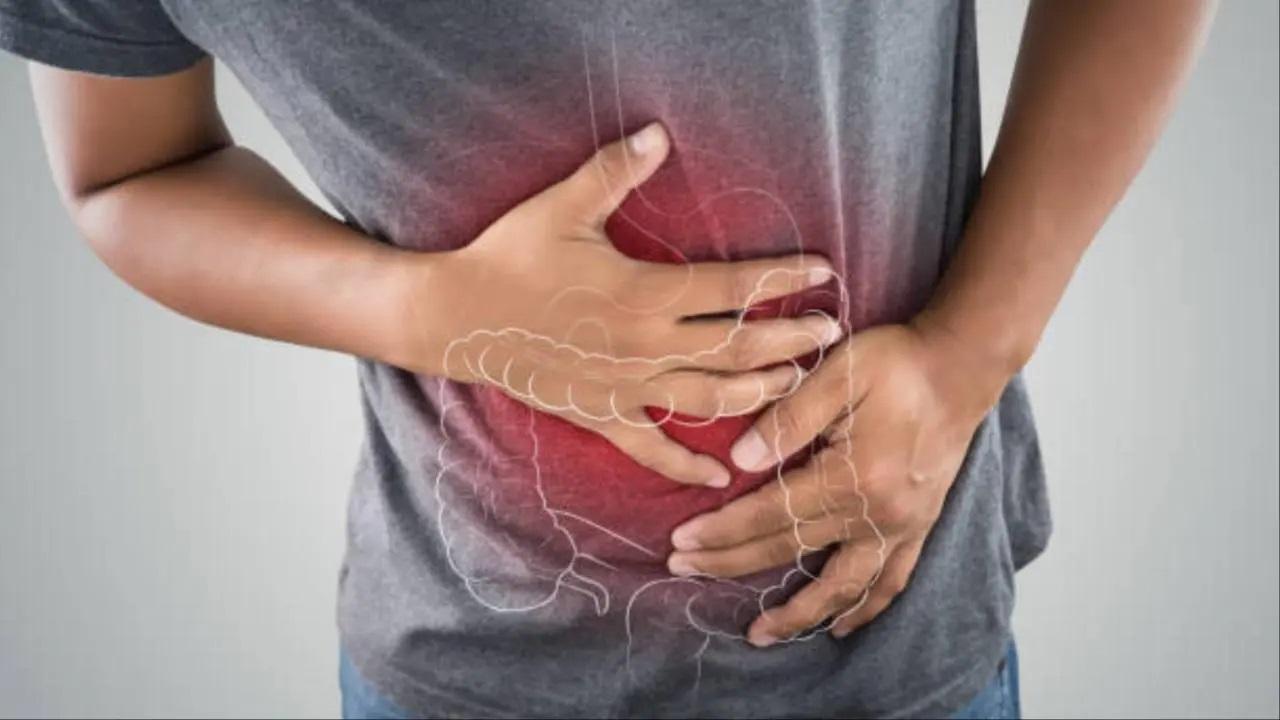
Image for representational purpose only. Photo Courtesy: istock

Listen to this article
Non-antibiotic drugs can disrupt microbiome, raise gut infection risk: Study
x
00:00

While antibiotics are known to harm the gut microbiome, a new study showed that non-antibiotic drugs can also alter the microbiome and increase the risk of gut infections. 

However, it has been unclear which of these disruptions might be readily tolerated and which disruptions increase the risk of health complications.


In the new study, researchers from Yale University in the US identified several common prescription, non-antibiotic drugs that altered the gut microbiome, and discovered that at least one of these drugs triggers mice to produce anti-microbial agents that target their own gut microbes.


The findings, published in the journal Nature, suggest the microbiome could influence why some people respond well to drugs, while others don't. And it could be a target for improving drug responses in individuals.

Individuals with disrupted microbiomes are also at increased risk of gastrointestinal (GI) infection because decreased colonisation resistance makes it more difficult for gut microbes to fight off pathogens, the researchers said.

For the study, the team analysed over a decade's worth of medical records and pharmacy claims data from 1 million anonymous individuals enrolled in universal health insurance in Montreal, Canada, to determine the incidence of GI infections.

"We found prescription drugs that increased people's risk of infections to the same degree that antibiotics would," said Andrew Goodman, Professor of Microbial Pathogenesis, chair of microbial pathogenesis at Yale School of Medicine.

Based on their findings, the researchers selected 21 drugs for further study.

To explore how these prescription drugs impacted the microbiome, the researchers treated mice with each drug and analysed faecal samples collected from the mice before the first dose and after the final dose.

The researchers found that about half of the drugs were associated with changes in microbiome composition.

And four -- congestive heart failure medication digoxin, anti-seizure and anti-anxiety drug clonazepam, stomach acid-reducer pantoprazole, and anti-psychotic medication quetiapine -- were also associated with an increased risk of infection following pathogen exposure.

This story has been sourced from a third party syndicated feed, agencies. Mid-day accepts no responsibility or liability for its dependability, trustworthiness, reliability and data of the text. Mid-day management/mid-day.com reserves the sole right to alter, delete or remove (without notice) the content in its absolute discretion for any reason whatsoever.

"Exciting news! Mid-day is now on WhatsApp Channels Subscribe today by clicking the link and stay updated with the latest news!" Click here!

Did you find this article helpful?

Yes
No

Help us improve further by providing more detailed feedback and stand a chance to win a 3-month e-paper subscription! Click Here

Note: Winners will be selected via a lucky draw.

Help us improve further by providing more detailed feedback and stand a chance to win a 3-month e-paper subscription! Click Here

Note: Winners will be selected via a lucky draw.

health fitness Health And Wellness Lifestyle news Hello Health

Mid-Day Web Stories

Mid-Day Web Stories

This website uses cookie or similar technologies, to enhance your browsing experience and provide personalised recommendations. By continuing to use our website, you agree to our Privacy Policy and Cookie Policy. OK