The recent launch of the first-ever Diabetic Barbie is pegged as a move towards representation, empowerment and inclusion for youngsters living with the condition. But does it live up to these claims?

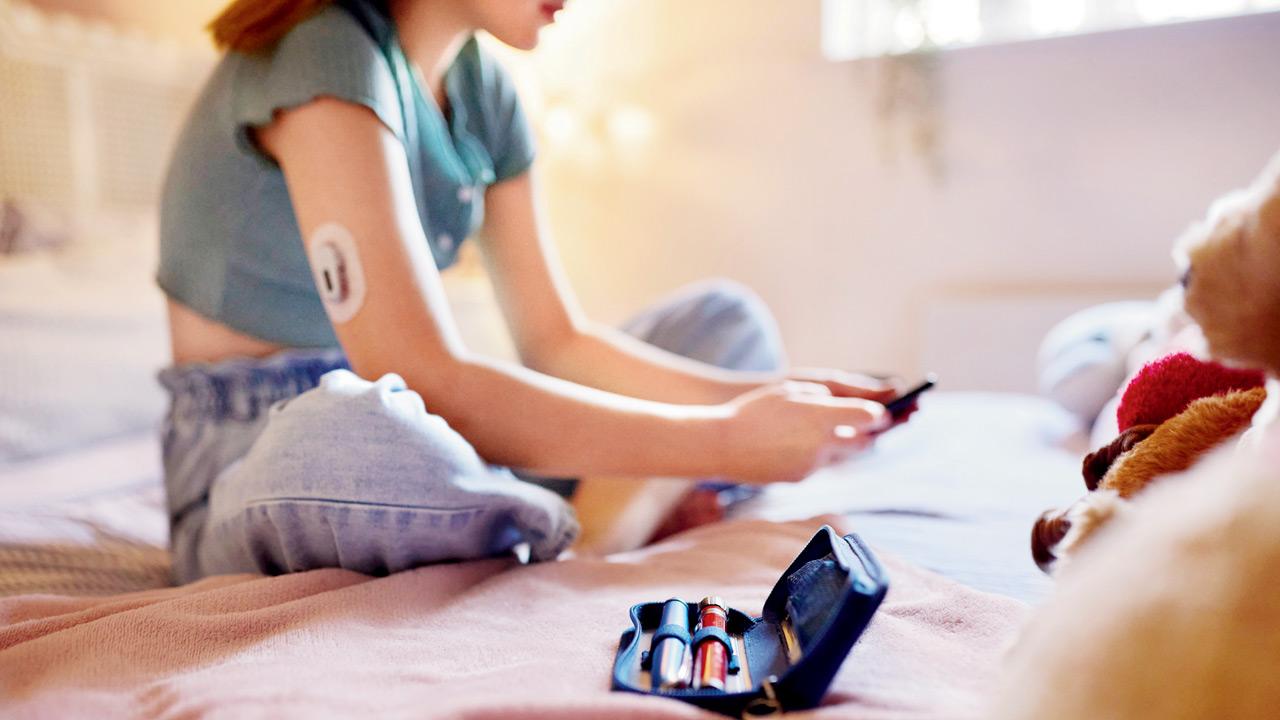
Such dolls could possibly help normalise Type 1 diabetes, especially among young impressionable children. REPRESENTATION PICS/ISTOCK
Barbie’s slogan — You can be anything — has taken on new meaning with the unveiling of the first doll with Type 1 diabetes. While Mattel, which has been releasing Barbie dolls with physical disabilities since 2019, claims that the decision was made ‘to enable more children to see themselves’ and the doll has been designed in collaboration with the global Type 1 diabetes not-for-profit Breakthrough T1D, the question of whether or not this was just another marketing gimmick with no real-world impact was raised by many social media users. Yet another lot wondered if the push towards representation had gone too far. We spoke to parents of young Type 1 diabetics and experts to investigate if the doll did live up to her maker’s claims of supporting those whose image she was created in.
Children can be bullied and feel isolated in school due to the condition
Small but significant
Lavanya Prasad, a professional storyteller and founder of Talescope, is one of many parents hailing the move as necessary. “Although neither my daughters nor I have played with or even owned a Barbie, we know that the doll is very well known and beloved across the world. For us, the move to introduce a doll with Type 1 diabetes is a very positive step towards bringing in awareness. I know there are many people who write this off as a marketing strategy. But I think we can look beyond it to consider the positive impact of the doll,” she shares, explaining that her daughter’s diagnosis at the age of 12 came as a huge shock to the family.
Parental support and guidance is key in the child’s journey of navigating the chronic condition
“She was only in the eighth grade, and we had to approach her school authorities as she would have to start using insulin from the next day. It was a challenge because this is an age when children form peer groups — my daughter struggled to find acceptance as a child with a condition that even she didn’t fully understand. The existence of a doll that looks like them gives children reassurance that they are not alone,” Prasad continues, highlighting that the insulin pump, Continuous Glucose Monitor (CGM) and app worn by this doll will all highlight factors that are life-saving for diabetic children.

Mattel’s new Barbie with Type 1 diabetes. PIC COURTESY/MATTEL
From a mental health perspective, such initiatives can significantly mitigate the internalised stigma and social ostracism often experienced by children with chronic illnesses, adds clinical psychologist Janhvi Dargalkar: “By presenting ‘diabetes management’ as an integral part of a relatable and aspirational figure like Barbie, this representation disrupts negative stereotypes and fosters a sense of external validation. This can enhance self-efficacy and self-esteem among vulnerable young individuals, helping them navigate the psychosocial challenges of their diagnosis. Ultimately, this initiative aligns with strength-based approaches in paediatric psychology, empowering children to embrace their identities and feel affirmed within a broader cultural context.”

Akanksha Sabharwal (left) with her family
Conversations count
Many parents are hopeful that this launch will spark awareness and dispel judgment about diabetes. “Last week, a young boy approached me, genuinely curious about how my son Ayaan got diabetes. I explained it in simple terms; what stood out to me was how children can naturally accept and support their friends when things are communicated with care and clarity. Although Ayaan has faced bullying that stems from myths and misinformation. It’s why such a toy is more than symbolic. It represents progress. It opens up space for real conversations about health, empathy, and inclusion. And most importantly, it tells kids like Ayaan that they are seen, understood, and never alone,” shares Akanksha Sabharwal, mother to an eight-year-old boy who was diagnosed four months ago.

Manisha Ramkishan Kadam
Manisha Ramkishan Kadam, a 26-year-old operations professional who was diagnosed with Type 1 diabetes in 2014, echoes the sentiment. “When I was diagnosed, I didn’t know anyone else who had it. I always felt a bit different, carrying around my glucometer, dealing with injections and explaining to people why I had to eat snacks at random times. It wasn’t always easy, and at times, it felt isolating.
That’s why seeing a Diabetic Barbie brings up countless emotions. If I had seen a doll like that growing up — one with a CGM or an insulin pump like mine — I would have felt seen. It would’ve told me that this is a part of life, and it doesn’t make you any less magical or strong. Representation matters, especially for children who are trying to find themselves in a world that often overlooks them,” she reasons.
Is it enough?
“If this doll was launched when I was younger, I would have definitely bought it. But I wonder how far such measures will go towards creating a mindset where diabetics are not blamed or looked down upon for a condition that is beyond their control. Basic awareness begins when people understand us and communicate about our health in a positive manner. I am also sceptical of whether parents will buy their children a doll like this because many parents are too embarrassed to admit that their child has diabetes,” observes Kiara Powar, a Type 1 diabetes advocate and sportscaster.

Lavanya Prasad, Lavanya Prasad, Kiara Powar and Omkar Bhatkar
Her mother, Shweta, adds, “Barbie has always been positioned as a fashionable and expensive doll, with limited reach in a country like India. I worry that its impact on changing the perception of diabetes will be limited by its consumer base and those who can even afford the doll. We must come together collectively to create real change by building empathy and understanding among the masses. Further, Type 1 diabetes is a growing crisis in India. Many families still struggle with the financial cost of diabetes, including syringes, insulin and glucose monitors. It’s important to make these essentials more accessible.”
Instead of inclusion, a diabetic doll with such evident physical markers could inadvertently further alienate other children with diabetes, worries sociologist and playwright Dr Omkar Bhatkar. “I think this may just end up being a more sophisticated box that diabetic children are placed in. Instead, I believe that inclusion should be a part of the educational curriculum for children, opening the doors for more nuanced conversations and understanding about what a child living with diabetes is going through and how we, as a society, can better support them,” he concludes.
Subscribe today by clicking the link and stay updated with the latest news!" Click here!