shot-button
E-paper E-paper
Home > Mumbai Guide News > Things To Do News > Article > Parsi New Year 2025 Blithe spirits and Navroze naataks

Parsi New Year 2025: Blithe spirits and Navroze naataks

Updated on: 15 August,2025 08:39 AM IST  |  Mumbai
Meher Marfatia |

Remembering dramatist and columnist extraordinaire Dorab Mehta (1917-2005) who entertained theatre audiences and newspaper readers

Parsi New Year 2025: Blithe spirits and Navroze naataks

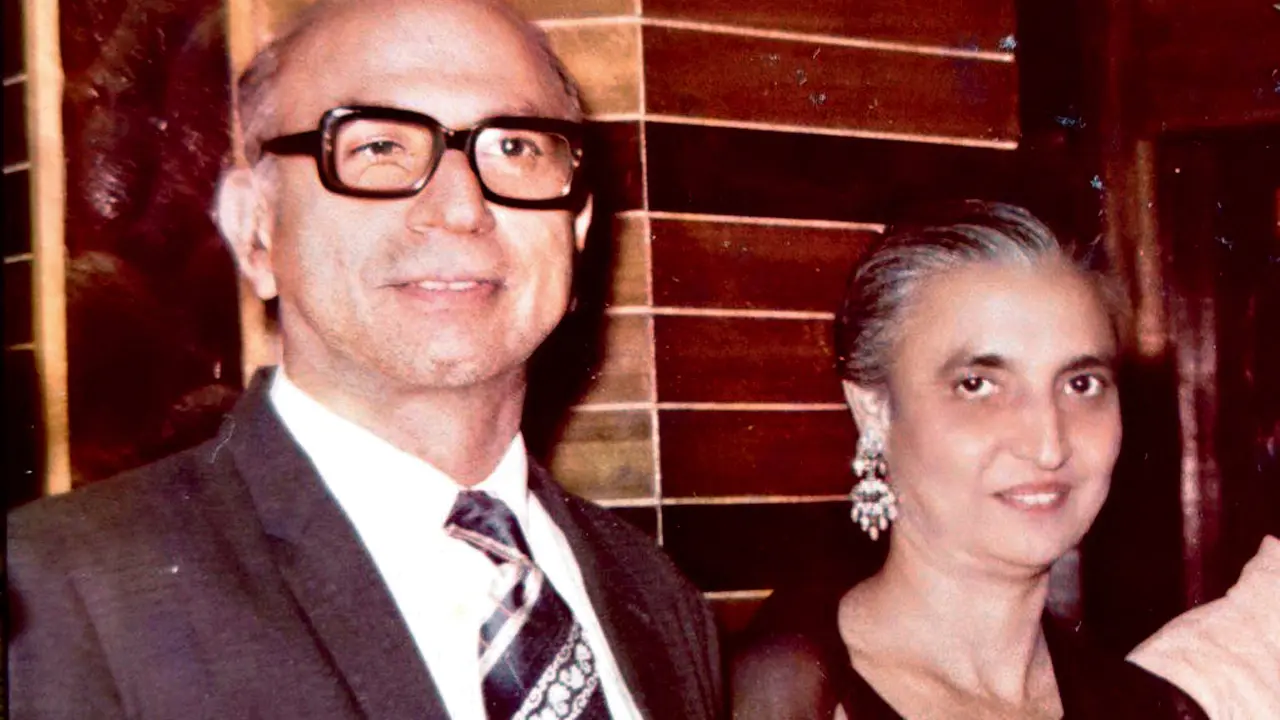
A dated photograph of Dorab (left) and Homai Mehta

When I write I also laugh,” he declared. Dorab Mehta secretly scribbled his first skit at 14, in his math book at Proprietary High School. It was performed under a building stairwell. Caught writing his first play in class at Elphinstone College, he saw that script torn and dumped a lane below.

Undeterred, some novels and love stories (Thagaari, Zita) later, Mehta wrote the tragi-comic, Kino in 1949. It was staged with a roller curtain dropping after the first tragic half, to foreground comic antics of the second part. The three-act production Baar Bachha no Baap launched his Progressive Players Group in 1954. He followed up that well-received farce with delightfully alliterative titles like Karko Kako, Sample Soona Masi and Gustadji nu Guesthouse. The next decade rewarded him with smash successes, in collaboration with Indian National Theatre: Tirangi Tehmul, Kutra ni Poonchri Vaaki, Gher Ghungro ne Ghotalo and Ugee Dapan ni Dor hit diamond jubilee heights.


Rehearsing in Mehta’s home: Standing line includes actor Jasi China, backstage prompter Khodu Irani, Sunderbai Hall ticket planner Adi ‘Dhansaak’ and script copier Akhtar Bhai. Seated with actors are seen Dorab Mehta (centre), daughter Rashna (second from left) and wife Homai (extreme right)


“Who do you think actually, physically wrote his plays?” asks Mehta’s granddaughter, fashion designer Shazneen Engineer. “My lovely, supportive grandmother, ever ready for anything the theatre world challenged them with. She would patiently sit on a round cane stool, opposite where he was on his iconic black easy-chair, taking down every word dictated because he suffered from writer’s cramp. Losing Homai Mumma last month, I still feel her presence and am sure she’s writing more stories with him up there.”

Interviewed for Laughter in the House, my book on Parsi theatre, Homai Mehta had said, “As we went along, I begged Dorab, ‘Slow down, I can’t keep up.’ He would sort out knots in his handkerchief — each tied as a reminder to add a certain idea to the plot. Hating smutty lines or double entendre, he managed wonderful humour without any dirt.”

Ruby Patel and Dadi Sarkari in Gher Ghungro ne Ghotalo. Pics Courtesy/Laughter In The House: 20th Century Parsi Theatre by Meher Marfatia

While tracing Mehta’s theatre oeuvre, Navroze seems as right an occasion to salute his journalistic career. Besides authoring 300 plays, he was a contributor to the popular magazine, Gupsup. Most memorable, however, was the classic weekly column, Jaamaas ni Jiloo, on the fun and foibles in the daily life of a middle-class Parsi couple. It earned mention in the Limca Book of National Records as the longest-running column, printed in the Jam-e-Jamshed newspaper for 54 years. Its logo — Jaamaasji reclining on a chair while wife Jiloo leans over, newspaper in hand — was comfortingly familiar to legions of loyal readers, aware that Homai was Jiloo.      

“Dorab always put me in the picture,” she said. “I was also the Humbai (Homai) of his Mumbai Vartaman column called, Hu ne Mari Humbai. We didn’t realise how big a household name my Jaamaasji of Jame had become until his obituary tributes poured in.”

Dorab Mehta (right) with daughter Rashna Chiniwala

Then there was his Kaiser-i-Hind column, Jara Tamaara Kaan Ma, which ran for nearly 40 years, under the nom de plume of Katkatyo, meaning “chatterbox”. A reporter with the paper, Mehta (known to watch three movies a day), reviewed films for editor, Eruchshaw Hirjeebehdin. As a boy he had stashed away photographs of Douglas Fairbanks under his bed. He managed to coax his sympathetic brothers to smuggle him into cinema halls — to enjoy the climax of films when sent on errands like buying oil for a fish meal for the family.

At the outbreak of World War II, Mehta compiled special articles for the Information and Broadcasting Ministry, prepared broadcasts for the warfront and scripted two documentaries for the Government. Reverting to a less sombre note, Engineer says, “His writing was very real. He told me stories of Jaamaasji and Jiloomai, their freeloader neighbour Bomanshah and cheeky houseboy Chhagan, before the episodes appeared,” says Engineer. “My grandmother was really his Jaamaas ni Jiloo, his inspiration: the perfect partner to his journalistic journey.”

Logo of the Jaamaas ni Jiloo column.  Pics Courtesy/Rashna Chiniwala;  Mehta Family
Logo of the Jaamaas ni Jiloo column. Pics Courtesy/Rashna Chiniwala; Mehta Family

Engineer skipped tuition classes to see play practices two months before Navroze in her grandparents’ Tardeo home. “I’d rush from school to be cheerfully greeted by actors walking around rehearsing for the upcoming naatak. My dear grandfather placed a little ‘ghanti’ (bell) in my excited hands. I perched on the settee trying to meticulously ring it at the exact correct time, to imitate a doorbell or a phone ring. Those were magical evenings, filled with giggles and guffaws, as actors struck comical stances to music accompanying the mandatory dance number.

“An amusing incident took place at Cowasjee Jehangir Hall (now the National Gallery of Modern Art), where many plays were performed. Two stage hands were instructed to drop the curtain for a scene change on hearing a backstage whistle prompt. Nodding off, they jumped out of their sleep at the sound of a misleading whistle — blown by the bus conductor in the Museum depot across the road. Mistaking that as their cue, they promptly lowered the curtain!”

Engineer’s mother, Mehta’s daughter Rashna Chiniwala, recalls, “There was mutual respect between Adi Marzban and my father. Dad would advise him, saying, “Ardeshir” this or that, and Adi would hear him out. Both were gifted multifaceted genius. Dad was a good violin and piano player too. Above all, he was the master of mirth, born to make the world a happier place.” 

Navroze Mubarak, everyone.

"Exciting news! Mid-day is now on WhatsApp Channels Subscribe today by clicking the link and stay updated with the latest news!" Click here!

Did you find this article helpful?

Yes
No

Help us improve further by providing more detailed feedback and stand a chance to win a 3-month e-paper subscription! Click Here

Note: Winners will be selected via a lucky draw.

Help us improve further by providing more detailed feedback and stand a chance to win a 3-month e-paper subscription! Click Here

Note: Winners will be selected via a lucky draw.

parsi new year mumbai culture news Lifestyle news Arts and culture

Mid-Day Web Stories

Mid-Day Web Stories

This website uses cookie or similar technologies, to enhance your browsing experience and provide personalised recommendations. By continuing to use our website, you agree to our Privacy Policy and Cookie Policy. OK