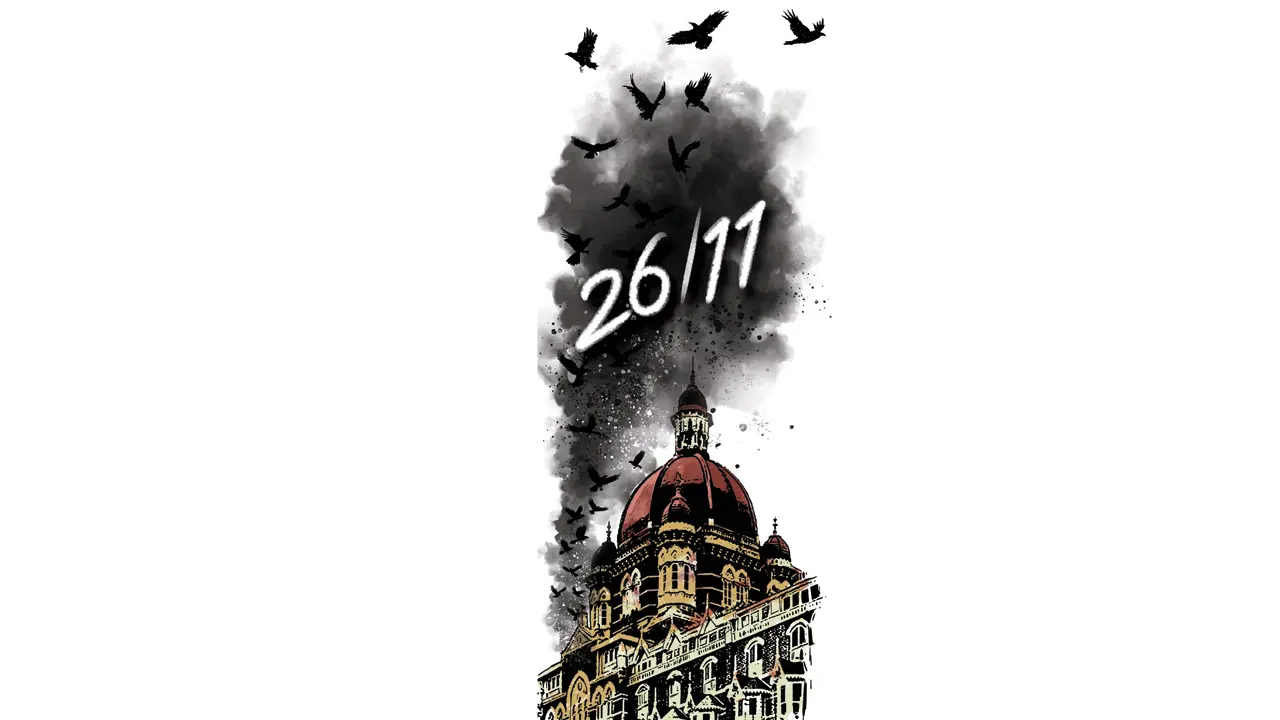
After the 26/11 attacks, GT and Cama hospitals revamped security and emergency systems with new casualty wards, trauma care, access-control gates, CCTV networks and MSF commandos. Both hospitals say the terror strike permanently reshaped their disaster preparedness and staff training

Representational Image
After the 26/11 terror attacks in 2008, GT Hospital and Cama Hospital — both directly impacted on that night — say the tragedy permanently reshaped their medical and security systems.
GT Hospital
Dr Jitendra Sankpal, who was an associate professor during the attacks and is now professor and head of surgery with additional charge of medical superintendent, said the hospital’s sense of security was shattered by what unfolded that night.

GT Hospital. Pic/Sayyed Sameer Abedi
“There is no word in the dictionary to describe what we went through. But we have only learnt from it. That attack was an eye-opener with respect to the level of security the hospital needs, considering that it is located in such a sensitive location. Till before the attack, we thought our hospital was located in one of the most secure areas owing to the high-profile offices located here and the fact that the overall security of the area is good,” Dr Sankpal said.
Officials said that in 2008, GT Hospital did not even have an independent emergency ward. Since then, several major upgrades have been implemented.
Key changes include:
>> A dedicated modular casualty ward
>> A fully operational emergency ward
>> A round-the-clock trauma care system
>> A recent sanction of R5 crore to upgrade emergency and casualty infrastructure.
Security preparedness has been overhauled as well.
Dr Jitendra Deshmukh, dean of GT Hospital, said, “The hospital now has a comprehensive disaster management plan, with staff trained specifically to handle high-pressure, high-risk and mass-casualty scenarios, training that was largely absent before 2008. The Maharashtra State Force plays a key role in ensuring round-the-clock protection. At present, 56 MSF commandos are deployed across the premises, including four armed personnel stationed at critical points such as the main entrance, casualty and emergency wards. The hospital has also sought approval for an additional 15 commandos to strengthen the force.”
Vehicle entry is logged manually, CCTV cameras were installed only after the attack, and the hospital has now applied for metal detectors. “We are doing every bit possible,” Dr Sankpal added.
Cama Hospital
Cama Hospital, which terrorists had entered during the attack, has also undergone major structural and security changes. Medical superintendent Dr Tushar Palave said access control is now a top priority.

Cama Hospital. File pic
“The most important change that we brought in was that of the four gates; anyone now has access only through two gates. Of these two functioning gates, only one is open for vehicles, where each vehicle that enters gets checked, and the number of the vehicle is entered into a register. The second operating gate is not even opened completely, but just the smaller part of the gate is opened for those who walk in,” he said.
He added: “Also, only those vehicles which have a stamp of our hospital are allowed to enter the premises, while no two-wheelers are allowed.” Cama Hospital today has 54 MSF commandos, 110 CCTV cameras, and mandatory self-defence training for all staff.
“Back then, the security guards who lost their lives in the attack weren’t trained to handle such situations. The MSF who is now appointed have undergone defence training, which is a must to handle such situations,”
Dr Palave said.
‘Treating Kasab was frustrating’
Dr Sankpal recalled being on the team instructed to ensure Ajmal Kasab stayed medically stable throughout the trial. “He would do silly things, such as bite the cap of a water bottle and injure himself on the hands and chest. He would hit his head on the iron rods of the jail. It was frustrating to treat him.”
Subscribe today by clicking the link and stay updated with the latest news!" Click here!