Project led by IIT-Bombay combines AI forecasts with real-time waterlogging reports synced to Google Maps

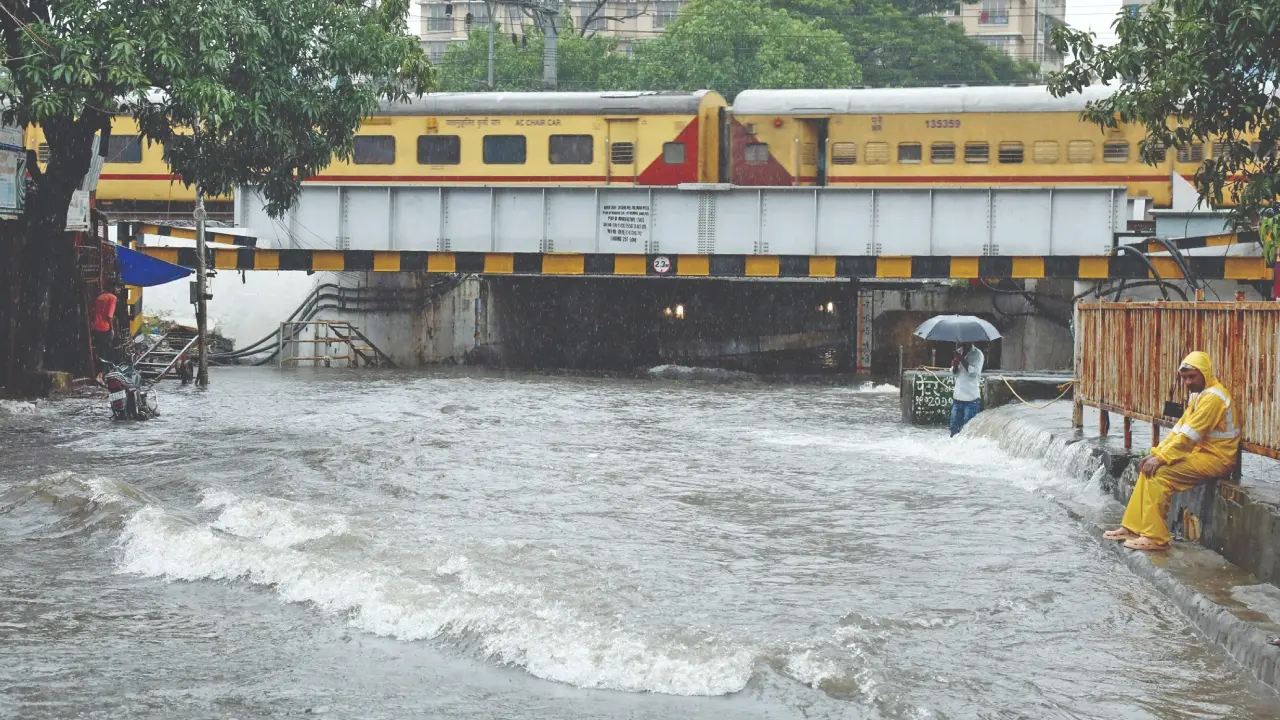
Andheri subway closed due to waterlogging after heavy rainfall on August 18. PIC/DHIRAJ BHOIR
What can help BMC anticipate waterlogging spots in Mumbai? It is data crowdsourced from citizens about real-time waterlogging reported across the city, as part of the Mumbai Flood Project.
The project is anchored by a team of students, faculty, and staff from the Centre for Climate Studies (CCS) at the Indian Institute of Technology (IIT) Bombay, which is developing an experimental rainfall forecasting and flood monitoring system to “help Mumbai adapt to its persistent monsoon flooding,” in partnership with the Brihanmumbai Municipal Corporation (BMC), according to information from the civic body.
What is the project?
This project is available to citizens through a website: https://www.mumbaiflood.in/and the Mumbai Flood mobile application. Apart from disseminating near-real-time rainfall and waterlogging information on both platforms for timely and accurate forecasts and flood updates, the project has a unique feature that allows Mumbaikars to input flooding data on the website.
It provides hyperlocal rainfall forecasts derived from global forecasting systems (GFS) and enhanced through artificial intelligence and machine learning models, enabling Mumbaikars to view hourly observed values and daily forecasts for up to three days.
In addition to predicting monsoon patterns in Mumbai through its tie-ups with the India Meteorological Department (IMD), citizens can feed real-time data about waterlogging. In the long term, this means crowdsourced data can help build flood forecasts themselves with the help of artificial intelligence. This is a first-of-its-kind project for the city.
At the back end, there are nine water-level monitoring stations installed at flood-prone hotspots across Mumbai to provide near-real-time waterlogging updates during the monsoon. This allows access to near-real-time flooding information for various local rail stations in Mumbai, helping citizens plan their commute.
Citizens contributing
The website allows reporting of floods, which has been synced with Google Maps. A drop-down menu lets citizens choose their location or a waterlogging spot and report the water level there.
There are two ways to report this: Exact depth of water in feet — e.g., 1 foot, 2 feet. Layman’s terms — e.g.: ankle length, knee length, waist length, neck/head length.
Authorities speak
Abhijit Bangar, Additional Municipal Commissioner, told mid-day, “During the downpour in Mumbai on August 18 and 19, we were already aware that Tuesday, August 19, rainfall would be more intense than Monday, August 18. We received a hyperlocal forecast of this update through the Mumbai Flood Project. In the long run, flood forecasts will also be possible in the same manner. The model uses machine learning for advanced updates about the situation, which will help the civic body in better decision-making for operating pumps, identifying possible red zones for flooding, and predicting evacuation patterns.”
Subscribe today by clicking the link and stay updated with the latest news!" Click here!