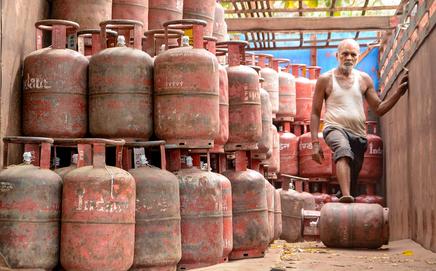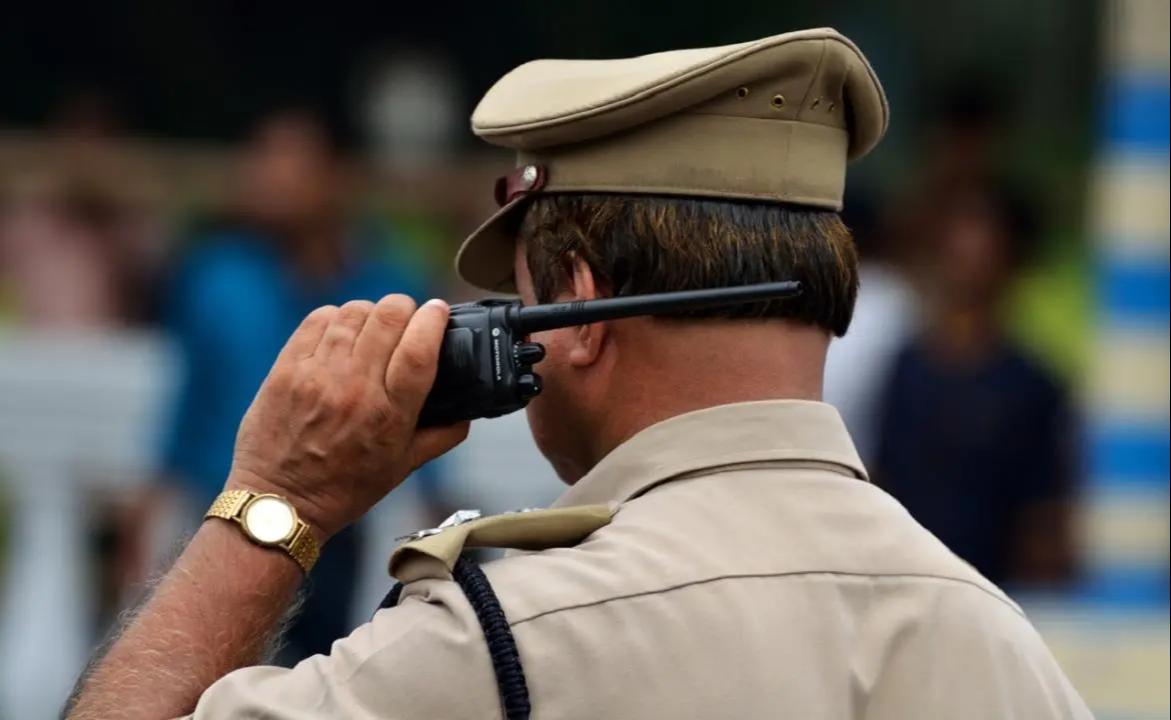
As the Middle East crisis triggered by the Iran-US-Israel war enters its 35th day, various cities across India continue to grapple with a persistent LPG shortage. Rishikesh has not been spared, with the city now facing a similar energy crisis ahead of the Char Dham Yatra. The hospitality sector in Rishikesh has been the hardest hit; hotel owners and roadside dhaba operators are struggling to maintain daily operations in light of the LPG crisis. As a result, they have shifted to alternative fuels like wood and coal to handle their daily operation, which present significant logistical challenges for the eatery outlets. Vivek Tiwari, a local restaurant owner, highlighted the severity of the situation, noting his business has been forced to resort to alternatives such as wood and coal to sustain their operations. He further acknowledged that while there has been a marginal improvement in the supply of commercial LPG, it remains far below the levels required to meet daily demand. "Restaurants in Rishikesh are being forced to use alternatives like wood and coal to sustain daily operations. As the Char Dham Yatra is set to begin, the government and gas agencies need to be transparent about their supply strategy. While there has been a marginal improvement and we are receiving commercial cylinders from agencies, the current supply remains well below the requirement needed to sustain daily operations," Tiwari told ANI. However, Rishabh, another restaurant owner, was vocal in his criticism of the ongoing LPG shortage. He revealed that despite having a formal commercial connection, the supply remains nonexistent; as a result, he too is forced to rely on coal and traditional furnaces to keep the kitchen running. He alleged that gas agencies are unable to meet the demand for commercial LPG supply. "There is a severe problem with the gas supply; we simply are not getting it. We have had to bring in coal and a furnace just to manage our restaurant. Despite holding a commercial connection, the gas remains unavailable. Even the agencies have raised their hands, declaring there is no possibility of a supply. We have been dealing with these challenges for 15 to 20 days now," said Rishabh. He further warned that if the situation persists, the upcoming Char Dham Yatra could face problems. He added that businesses may be forced to either suspend operations entirely or significantly increase food prices just to keep their business alive. "If the situation remains like this, we will either close our restaurants or increase food prices to keep our business alive. Even the Char Dham Yatra will be adversely affected," warned Rishabh. Meanwhile, at the second meeting of the Informal Group of Ministers (IGoM), which monitors the evolving situation in West Asia and suggest proactive measures for its minimum impact on India, Defence Minister Rajnath Singh said that in view of the "uncertain situation", the Defence Minister underlined the importance of round-the-clock monitoring of the situation and the need to respond in a calibrated manner to deal with any eventuality. He stressed the need to leave no stone unturned to ensure that the people of the country face the minimum effect of the conflict. This story has been sourced from a third party syndicated feed, agencies. Mid-day accepts no responsibility or liability for its dependability, trustworthiness, reliability and data of the text. Mid-day management/mid-day.com reserves the sole right to alter, delete or remove (without notice) the content in its absolute discretion for any reason whatsoever.
04 April,2026 02:39 PM IST | Rishikesh | PTIA 12-year-old girl died after being struck by lightning at Uruvapara, police said on Saturday. The deceased was identified as Nafeesathul Misriya, daughter of Afsal, a native of Cheruvelikkunnu near Perumbavoor in Ernakulam district. According to the police, Misriya and her family reached Uruvapara to attend 'Summerfest', a tourism event, on Friday evening. Police said that lightning struck Misriya. Apart from Misriya, two others were also injured in the incident. Though Misriya was rushed to a nearby private hospital, she was declared dead, police said. The injured persons are currently admitted to a private hospital in Thodupuzha. Thodupuzha police have registered a case of unnatural death and initiated an investigation. The body will be handed over to relatives after the postmortem, police added. This story has been sourced from a third party syndicated feed, agencies. Mid-day accepts no responsibility or liability for its dependability, trustworthiness, reliability and data of the text. Mid-day management/mid-day.com reserves the sole right to alter, delete or remove (without notice) the content in its absolute discretion for any reason whatsoever.
04 April,2026 02:26 PM IST | Idukki | mid-day online correspondentA tragic accident in Nashik claimed the lives of nine members of a family after their car fell into a water-filled well in the Shivaji area on Friday night, ANI reported. According to initial reports, the family was returning home from a function when the driver reportedly lost control of the vehicle, leading to the fatal plunge. Maharashtra Police have registered a case and launched an investigation to ascertain the exact cause of the incident. Further details are awaited. 'Begged him to stop': Passengers plead with driver before bus overturns at Maharashtra's Sukeli Khind; 2 dead In a harrowing incident, 46 passengers on a Goa-bound private bus endured a terrifying hour as the driver allegedly drove under the influence, two men ultimately losing their lives at Sukeli Khind in Raigad district of Maharashtra. At 3 am on Friday, the bus (MP 13 ZP 4545) overturned off the Mumbai-Goa Highway at the notorious Sukeli Khind near Nagothane, leaving two dead and 22 seriously injured. The incident did not start at the cliffside—it began at a driver-change point in Kharpada. The midnight SOS According to the survivors and relatives of the passengers at MGM Hospital, Kamothe, the ordeal began when a new driver, Hemant Patil (36), took the wheel. Passengers immediately noticed he was allegedly intoxicated and driving erratically. "My nephew, Krunal, called us terrified," said Vishal Mhatre, the relative of a passenger. "The passengers actually forced the bus to stop. They got off the bus in the middle of the night, desperate to find another vehicle. They even filed a formal complaint on the 'Lal Pari' app, begging for intervention. But with no alternative transport at 2 am, they were forced back into what became a death trap," added Mhatre. An hour after the passengers' pleas went unanswered, the bus reached the steep, winding slopes of the Sukeli Valley. Witnesses say the speeding vehicle flipped multiple times, ejecting passengers through shattered windows into the pitch-black ravine. Naeem Nizam Sheikh (33) of Kamothe and Neelam Vaibhav Vibhute (40) of Panvel were killed instantly. The medical toll At MGM Hospital, the scene was one of chaos and heartbreak. "We received 22 patients—16 males and six females," said Dr Kuldeep Salgotra, dean of MGM Hospital. "Twelve are in serious condition, and five are in the ICU with multiple traumas to the head, chest, and pelvis. One young man has lost his foot entirely; the damage is too severe for reattachment," Dr Salgotra added. Among the survivors is a one-and-a-half-year-old toddler, whose miracle escape stands in stark contrast to the driver, Patil, who is currently in a coma at a government hospital in Alibaug. The Maharashtra government touts its "Lal Pari" and transport apps as safety nets. Yet, here is a group of citizens who used the technology exactly as intended—to report a life-threatening situation in real-time. They did their part. They flagged the danger. They even staged a physical protest on the highway. The numbers 46: Total passengers on board 2: Lives lost (Naeem Sheikh & Neelam Vibhute) 22: Rushed to MGM Kamothe 1: Foot amputated (20-year-old survivor) 1.5: Age of the youngest survivor (With ANI inputs)
04 April,2026 12:16 PM IST | Nashik | mid-day online correspondentThe West Bengal Police on Friday arrested a total of 35 people, including the alleged mastermind of the gherao of seven judicial officers in Malda district, a senior officer said. The accused, identified as advocate Mofakkarul Islam, was arrested while he was trying to board a flight from Siliguri’s Bagdogra airport, he said. Meanwhile, a team from the National Investigation Agency (NIA) visited in Malda to probe into the gherao incident over the deletion of names in the SIR exercise. The NIA has been tasked by the Election Commission to probe into the Wednesday incident, following a directive from the Supreme Court. A total of 19 cases have been registered in Mothabari and Kaliachak police stations. 35Arrests made by Bengal police This story has been sourced from a third party syndicated feed, agencies. Mid-day accepts no responsibility or liability for its dependability, trustworthiness, reliability and data of the text. Mid-day management/mid-day.com reserves the sole right to alter, delete or remove (without notice) the content in its absolute discretion for any reason whatsoever
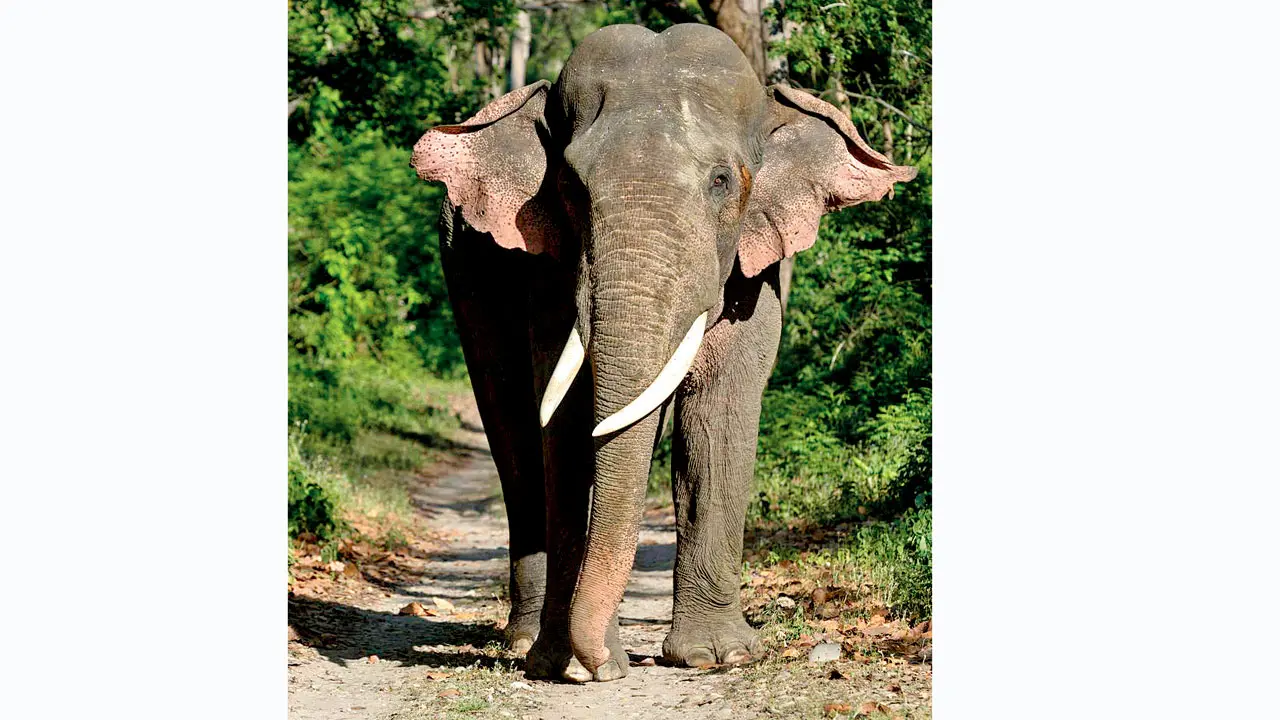
04 April,2026 10:57 AM IST | Kolkata | AgenciesThree persons, including an elderly man, were trampled to death by wild elephants in two separate incidents in Jharkhand’s Ramgarh district on Friday. Both incidents happened within the Gola police station limits. One incident occurred at Banda village, where two persons died, while the second took place at Murpa village, where an elderly man was trampled to death by wild elephants. This story has been sourced from a third party syndicated feed, agencies. Mid-day accepts no responsibility or liability for its dependability, trustworthiness, reliability and data of the text. Mid-day management/mid-day.com reserves the sole right to alter, delete or remove (without notice) the content in its absolute discretion for any reason whatsoever
04 April,2026 10:46 AM IST | Ramgarh | AgenciesThe death toll in the suspected hooch tragedy rose to four on Friday after three more persons died allegedly due to consumption of spurious liquor in dry Bihar's East Champaran district, officials said. At least six others are undergoing treatment at a government hospital, while seven people have been discharged after initial treatment, they said. The incident took place at Turkauliya and Raghunathpur areas of Motihari on Thursday. This story has been sourced from a third party syndicated feed, agencies. Mid-day accepts no responsibility or liability for its dependability, trustworthiness, reliability and data of the text. Mid-day management/mid-day.com reserves the sole right to alter, delete or remove (without notice) the content in its absolute discretion for any reason whatsoever
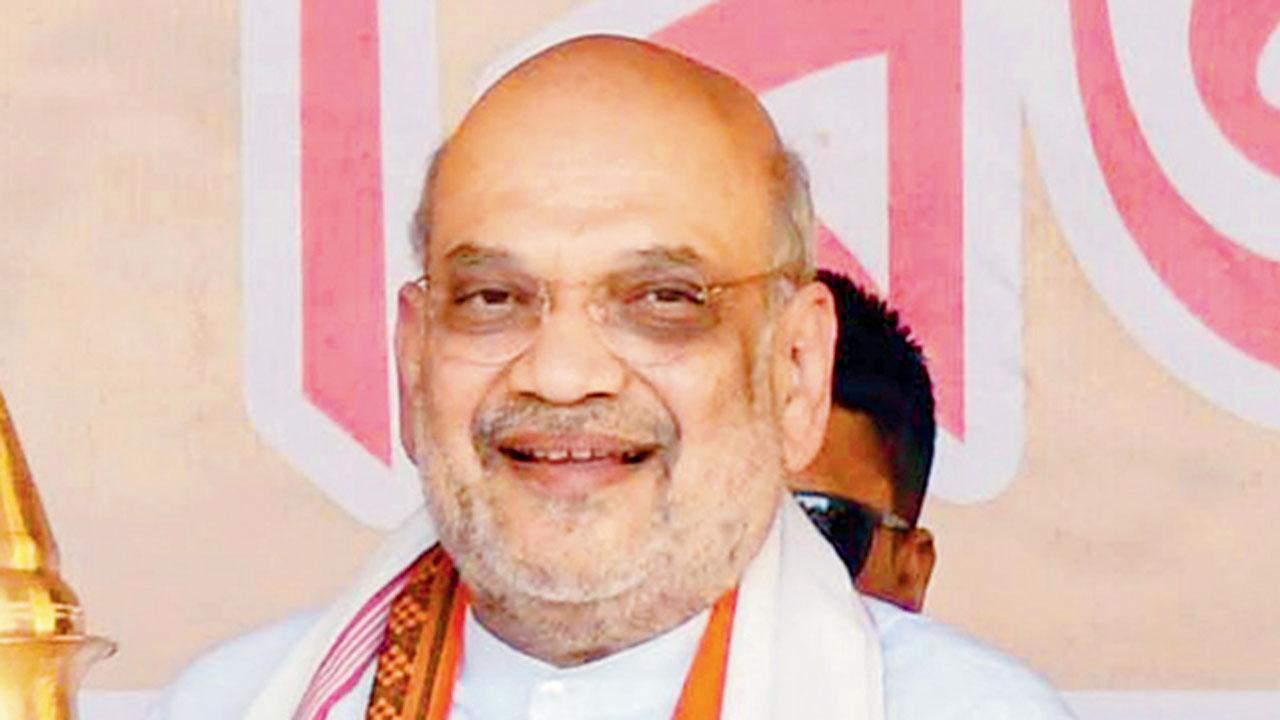
04 April,2026 10:32 AM IST | Motihari | AgenciesUnion Home Minister Amit Shah on Friday said Bharatiya Janata Party (BJP) led by Prime Minister Narendra Modi and Chief Minister Himanta Biswa Sarma in Assam have prepared a roadmap for tribal development, and the BJP’s return to power in the state would ensure its implementation. Addressing a rally at Dudhnoi in Goalpara district, Shah said that Congress never made an Adivasi woman the country’s President, but Modi changed that. This story has been sourced from a third party syndicated feed, agencies. Mid-day accepts no responsibility or liability for its dependability, trustworthiness, reliability and data of the text. Mid-day management/mid-day.com reserves the sole right to alter, delete or remove (without notice) the content in its absolute discretion for any reason whatsoever
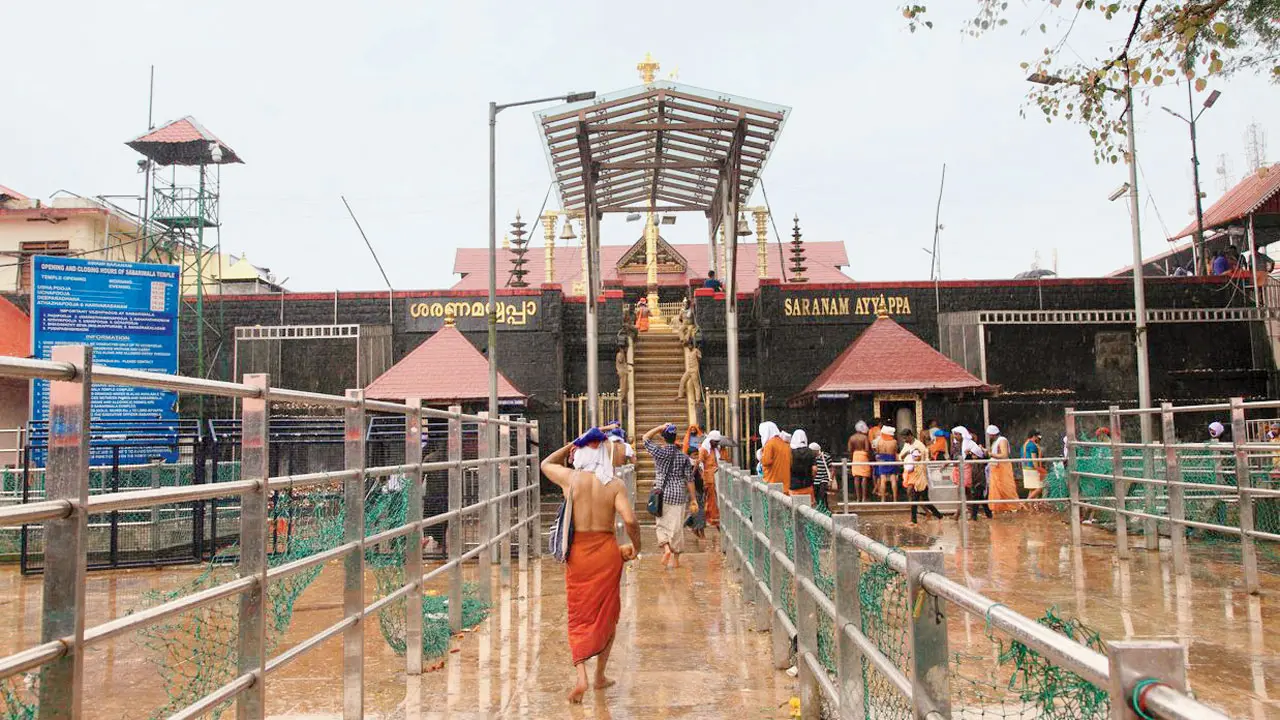
04 April,2026 10:31 AM IST | Dudhnoi (Assam) | AgenciesCourts should not determine essential religious practices as they are a matter of faith held to be sacred by the followers of a religion, the Akhil Bharatiya Sant Samiti has told the Supreme Court while seeking to intervene in the upcoming Sabarimala review proceedings. A nine-judge bench headed by Chief Justice of India (CJI) Surya Kant is set to commence the final hearing on April 7 on petitions relating to discrimination against women at religious places, including the Sabarimala temple in Kerala, and on the ambit and scope of the religious freedom practised by multiple faiths. This story has been sourced from a third party syndicated feed, agencies. Mid-day accepts no responsibility or liability for its dependability, trustworthiness, reliability and data of the text. Mid-day management/mid-day.com reserves the sole right to alter, delete or remove (without notice) the content in its absolute discretion for any reason whatsoever
04 April,2026 10:24 AM IST | New Delhi | AgenciesThe Delhi Police on Friday arrested a wanted criminal associated with the notorious Sonu Dariyapur Gang and recovered a pistol along with live cartridges from his possession in a swift operation carried out by the Anti-Auto Theft Squad (AATS) of the Outer North District. The accused, identified as Aryan (22), resident of Prahladpur Bangar in Delhi, had been on the run since March 19, 2026, after allegedly opening fire in the jurisdiction of PS Sultanpuri. He was intercepted and apprehended by the police team near Jeet Farm on Narela Alipur Road. According to police officials, the arrest was made following specific secret intelligence inputs received on March 30 regarding Aryan's movement in the area. Acting swiftly on the information, a dedicated team was formed under the leadership of Inspector Anand Kumar Jha, in charge of AATS. The team included SI Dimpy Gulia, Head Constable Asharam, and Constable Sachin, and operated under the supervision of senior officers of the Outer North District. During the interception, police recovered one sophisticated 32 bore pistol along with two live cartridges from Aryan's possession. Subsequently, a case under the Arms Act was registered at PS Narela Industrial Area, and the accused was formally taken into custody. During interrogation, Aryan disclosed his involvement in a firing incident in Sultanpuri, where he, along with other members of the gang who had already been arrested, had targeted a rival identified as Arun and his associates. Police further revealed that Aryan was planning to procure additional weapons and carry out more criminal activities. He was also allegedly attempting to lure and influence local youths into joining the Sonu Dariyapur Gang, raising concerns over the gang's expansion. Officials stated that Aryan has a criminal background, with two previous cases registered against him under the Arms Act. Police said the successful operation highlights their proactive approach in tackling organised crime and preventing further incidents, reaffirming their commitment to maintaining law and order and ensuring the safety of residents in the national capital. This story has been sourced from a third party syndicated feed, agencies. Mid-day accepts no responsibility or liability for its dependability, trustworthiness, reliability and data of the text. Mid-day management/mid-day.com reserves the sole right to alter, delete or remove (without notice) the content in its absolute discretion for any reason whatsoever
04 April,2026 10:11 AM IST | New Delhi | ANIMeat worth Rs 4.34 crore seized from three trucks in Jalna on suspicion of being beef has been confirmed as buffalo meat by a laboratory in Chhatrapati Maharashtra's Sambhajinagar, a police officer said on Friday. Following the laboratory analysis, the consignment, comprising 83,988 kilograms of frozen meat, was released along with the three trucks, Sub-Divisional Police Officer Anant Kulkarni said. “The meat was seized on April 1 following a tip-off from right-wing activists. A case was registered at Chandanzira police station under the Maharashtra Animal Preservation Act. Three persons, all residents of Varanasi, were held at the time,” another officer said. The accused have been identified as Shambuprasad Prajapati, Sattyaprakash Gupta, and Virenda Gupta. According to police, the trucks were transporting the meat from Parbhani to Mumbai for export. Many packets in the consignment had markings in Arabic, suggesting they were likely destined for Arab nations. “We requested an early report from the laboratory to ensure the meat did not deteriorate. The transporter had valid documents. After verification, the containers were released within 24 hours of receiving the report,” SDPO Kulkarni added. Earlier, on April 1, right-wing activists had intercepted the three container trucks at a toll naka in Jalna, alleging they were carrying beef. The drivers were detained and meat samples were sent to the laboratory for testing. Inspector Balasaheb Pawar of Chandanjhira police station said the seized containers were transporting around 120 tonnes of meat, reportedly meant for export. Packets bore the name of LS Frozen Foods, Visakhapatnam, with Arabic labelling. The drivers were allegedly manhandled by activists. “We will take appropriate action after receiving the lab report,” Pawar had said at the time. Following the confirmation that the meat was buffalo, police released the consignment and trucks. Further action in the case will be taken as required, the officials said. Assam CM targets opposition candidate’s mother over social media posts showing beef consumption Assam Chief Minister Himanta Biswa Sarma on Thursday criticised the mother of Assam Jatiya Parishad (AJP) candidate Kunki Chowdhury over social media posts showing beef consumption, claiming they hurt the sentiments of Sanatani people. Speaking during his campaign at Khowang, Sarma alleged that Chowdhury’s mother, Sujata Gurung Chowdhury, had shared multiple posts and photos related to beef on Instagram. “We do not have a problem with her being from Sikkim, but she has shared many photos of eating beef. She is challenging the Sanatani people,” the CM said, showing one such photo on his mobile. The remarks triggered a strong response from the AJP. Party president Lurinjyoti Gogoi accused Sarma of resorting to “Hindu-Muslim rhetoric” to deflect from questions raised by the party. Kunki Chowdhury, 27, is contesting her first election from the Guwahati Central constituency. She is among the youngest candidates in the fray and is pitted against senior BJP leader Vijay Kumar Gupta. Police and election authorities have not commented on the allegations, and there is no report of any legal action related to the social media posts so far. (With PTI inputs)
03 April,2026 11:53 PM IST | Jalna | mid-day online correspondentA 42-year-old State Reserve Police Force (SRPF) jawan was allegedly killed by his minor daughter's alleged boyfriend and his associates in Maharashtra's Nagpur, following which police arrested five persons, news agency PTI reported, quoting an officer on Friday. The assistant sub-inspector was fatally attacked in the Matoshree Nagar area, under the jurisdiction of the MIDC police. His 30-year-old brother-in-law sustained grievous injuries in the incident, police said. According to the police, the 23-year-old accused had been in a relationship with the victim’s minor daughter for the past two years, PTI reported. The jawan was opposed to the relationship and had warned the accused several times to stay away from the 16-year-old. During a Hanuman Jayanti programme at a local temple on Thursday night, the accused allegedly approached the girl and started talking to her. The jawan noticed this and asked him to leave, leading to an argument, the officer said. After the heated exchange, the accused returned home and came back with a knife, accompanied by relatives and friends, PTI reported. The group attacked the SRPF jawan with sharp weapons. When the jawan’s brother-in-law tried to intervene, he was also assaulted. The duo was rushed to Shalinitai Meghe Hospital, where doctors declared the jawan dead, the officer quoted above said. Another officer added that five persons, including the accused, his brother, and their mother, have been arrested for their involvement in the murder, and a probe is underway, PTI reported. BSF jawan's wife, lover arrested for his murder in Meerut In a dramatic turn of events, the wife of a Border Security Force (BSF) jawan, who was found dead with a gunshot wound at his home in Meerut last week, has been arrested for his murder along with four other people, including her alleged lover. The BSF jawan, Nain Singh, was found dead at his home in Dhanpur village on March 28. He was posted in West Bengal and had come home on March 6 for his leave. A case was registered on March 28 based on a complaint by the jawan's father. Neighbours were initially named in the complaint; however, in the absence of eyewitnesses, police pursued the investigation using technical and forensic evidence. Speaking to reporters, Senior Superintendent of Police Avinash Pandey said five persons, including the jawan's wife, have been arrested in connection with his murder. Pandey said the investigation revealed that the BSF constable frequently taunted and humiliated his wife, Komal, for having an extra-marital affair with Gulshan, a local resident. The accused confessed to shooting and killing Nain Singh while he was asleep, in a premeditated manner driven by animosity, police said. The arrested persons have been identified as Komal and four others — Rahul alias Pawan, Gulshan, Guddu, and Montu. Acting on the leads provided by the accused, the police have recovered an illegal country-made pistol and ammunition. A reward of Rs 25,000 has been awarded by the SSP to the police team that cracked the case, police added. (With PTI inputs)
03 April,2026 11:12 PM IST | Nagpur | mid-day online correspondentADVERTISEMENT