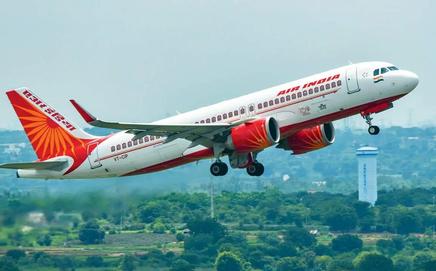
The Air India group has announced a phased expansion of fuel surcharges on its domestic and international routes, citing a steep rise in aviation turbine fuel (ATF) prices due to the geopolitical situation in the Gulf region. In a press statement released on Tuesday, the airline said ATF, which accounts for nearly 40 per cent of an airline's operating costs, has seen significant escalation from this month because of supply interruptions. In India, the impact is worsened by high excise duty and value-added tax (VAT) on ATF in major cities such as Delhi and Mumbai, putting additional strain on operating economics. West Asia conflict: Air India to roll out new surcharges in three phases The new surcharges will be rolled out in three phases for all new bookings, including those on flights operated by Air India Express (which currently does not levy fuel surcharges on any routes). Phase 1 (effective for bookings made from 12.01 am Indian Standard Time on Thursday, March 12) Domestic India: Rs 399 (previously not applied) South Asian Association for Regional Cooperation (SAARC): Rs 399 (previously not applied) West Asia/Middle East: USD 10 (previously not applied) Southeast Asia: USD 60 (increase of USD 20 from current USD 40; note: surcharge not previously applied to/from Singapore but will now apply) Africa: USD 90 (increase of USD 30 from current USD 60). Phase 2 (effective for bookings from 12.01 am IST on March 18) Europe: USD 125 (increase of USD 25 from current USD 100) North America: USD 200 (increase of USD 50 from current USD 150) Australia: USD 200 (increase of USD 50 from current USD 150). Phase 3 will cover Far East markets (Hong Kong, Japan, and South Korea) and will be announced later. Tickets already issued before these dates will not attract the new surcharges unless passengers request changes that require fare recalculation. In the press note, the airline regretted the decision to impose the surcharge, stating they are unavoidable due to external factors. Without such measures, some flights might become unviable and face cancellation, it further stated. The airline will periodically review the surcharges and adjust them as required by the evolving situation.
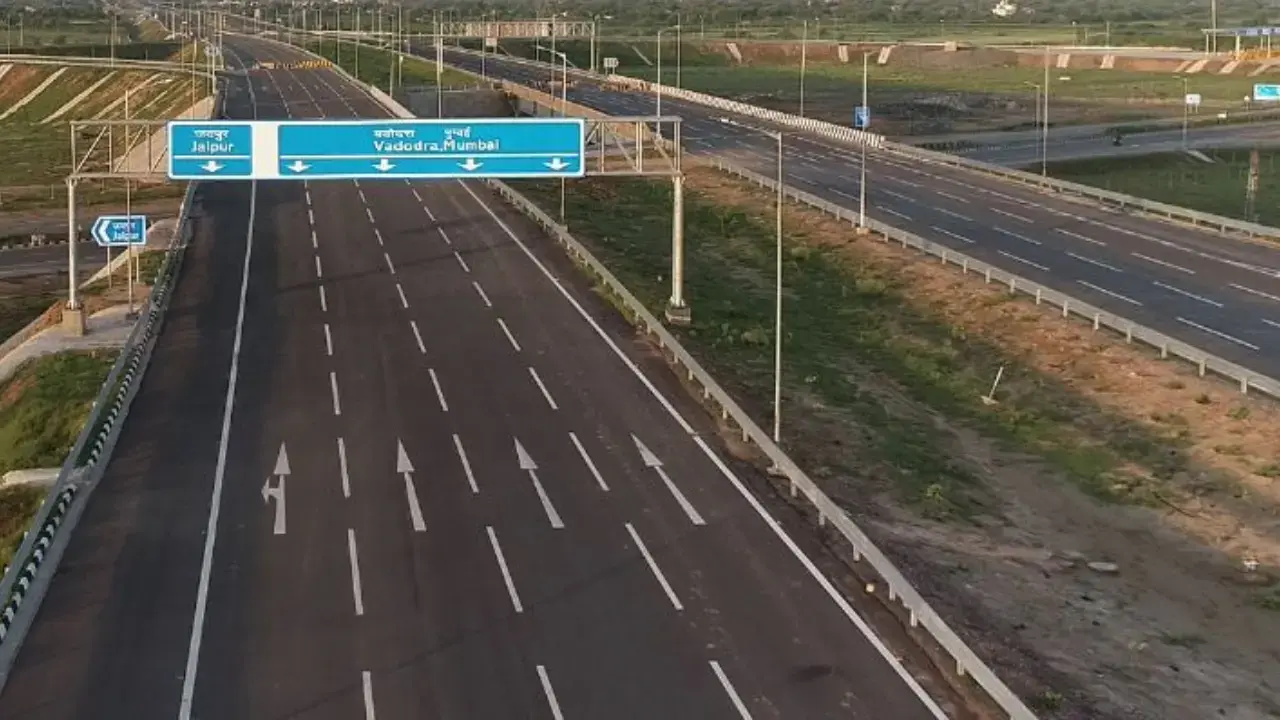
10 March,2026 11:11 PM IST | Gurugram | mid-day online correspondentThe Cabinet Committee on Economic Affairs, chaired by Prime Minister Narendra Modi, on Tuesday approved the development of a four-lane corridor on the Badnawar–Petlawad–Thandla–Timarwani section of National Highway (NH)-752D, with a total length of 80.45 kilometres and an estimated capital cost of Rs 3,839.42 crore, news agency ANI reported. The approved corridor will connect Ujjain to the Timrawani interchange on the Delhi–Mumbai Expressway (DME). The primary objective of the proposed four-lane project corridor is to improve travel efficiency and it is expected to reduce travel time by approximately one hour, ANI reported. According to a press release by the Cabinet Committee on Economic Affairs, “The Ujjain-Badnawar section of 70.40 km length has already been upgraded from 2-lane to 4-lane. The instant Badnawar-Timrawani stretch is an existing intermediate lane (5.5m) with poor geometry (Speed 20-50 kmph).” Upgrading this section will complete direct four-lane connectivity from Ujjain to the Timrawani interchange on DME, enabling speeds of 80-100 kilometre per hour, ANI reported. Timarwani–Badnawar section upgrade to manage traffic surge during Simhastha Kumbh Mela 2028 The Timarwani–Thandla–Petlawad–Badnawar–Ujjain corridor is the shortest route for traffic travelling from Gujarat and Maharashtra to Ujjain. Upgradation of the Timarwani–Badnawar section will strengthen inter-state connectivity and enable more efficient movement of traffic. It will also help manage the surge in traffic expected during the Simhastha Kumbh Mela in April 2028. The Badnawar–Petlawad–Thandla–Timarwani section passes through the tribal regions of Dhar and Jhabua districts. Parts of Dhar district are covered under the Aspirational Blocks Programme of NITI Aayog. The upgradation will provide direct and faster access from the Ujjain–Badnawar–Timarwani corridor to the Delhi–Mumbai Expressway. This improved linkage will reduce logistics costs, facilitate efficient movement of raw materials and finished goods, and strengthen access to industrial hubs and MMLPs located in Indore, Pithampur, Ujjain, and Dewas. The proposed project will provide high-speed connectivity designed to improve safety and ensure uninterrupted traffic movement, while reducing travel time, congestion and operating costs. Importantly, the project is expected to strengthen basic infrastructure in the region and contribute to the overall economic development of Dhar and Jhabua districts in Madhya Pradesh. (With ANI inputs)
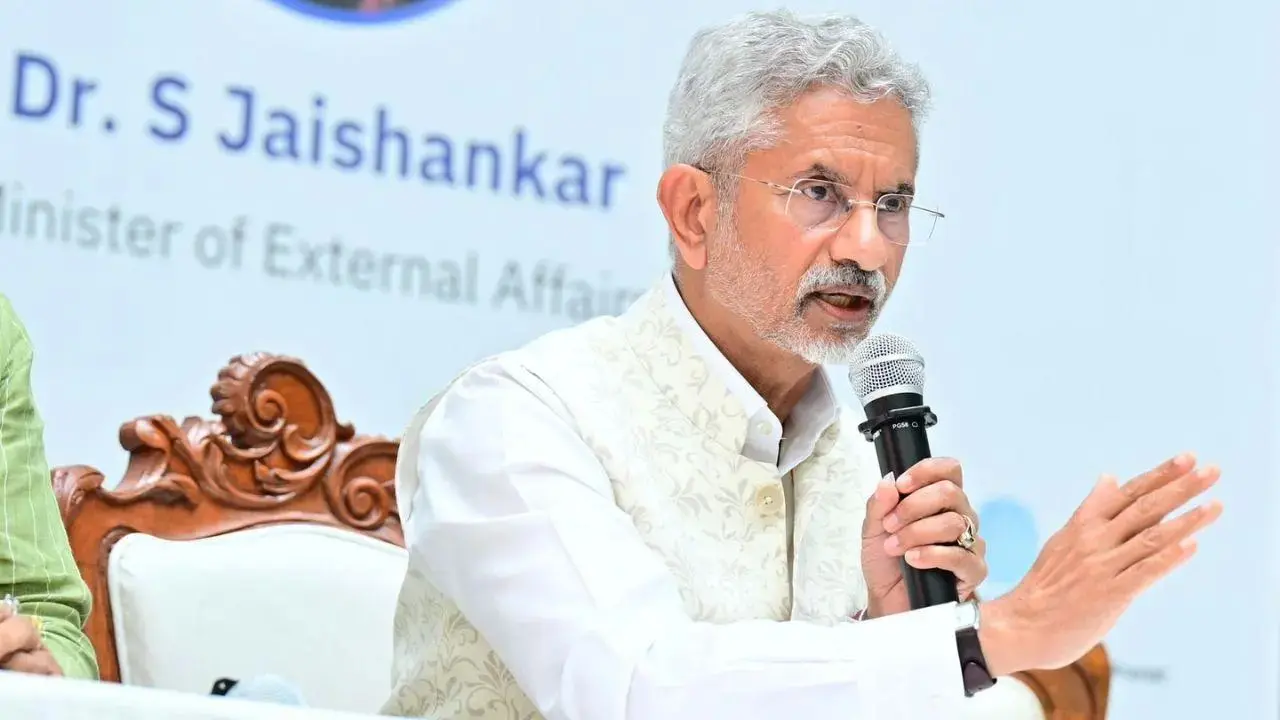
10 March,2026 08:51 PM IST | New Delhi | mid-day online correspondentIran had sought India's permission for three of its ships to dock at Indian ports and the approval was granted the next day, External Affairs Minister S Jaishankar said on Monday, amid tensions in the Indian Ocean region following sinking of an Iranian warship by the US last week. In a statement in the Parliament, Jaishankar said one Iranian vessel, IRIS LAVAN, docked in Kochi on March 4. It is for the first time a senior minister said that Iran requested for docking of three of its ships in Indian ports. West Asia conflict: Iranian Foreign Minister expressed gratitude "The Iranian side has requested permission on February 28 for three ships in the region to dock at our ports. This was accorded on March 1. IRIS LAVAN actually docked on March 4 in Kochi. The crew is currently in Indian naval facilities," he said. "We believe that this was the right thing to do and the Iranian foreign minister has expressed his country's thanks for this humane gesture," Jaishankar added. The sinking of the Iranian frigate IRIS Dena by a US submarine off the coast of Sri Lanka on March 4 triggered concerns about the expansion of the conflict in West Asia to the Indian Ocean region. The warship was returning home after participating in the Milan multilateral naval exercise as well as International Fleet Review hosted by India. At least 87 Iranian sailors were killed in the attack. Sri Lanka grants Iranian warship emergency docking at Trincomalee Another Iranian warship was allowed to dock by Sri Lanka at its eastern port of Trincomalee, news agency PTI reported. The vessel, IRINS Bushehr, had sought permission to enter Sri Lankan waters, citing an engine failure. In his remarks, Jaishankar also said that the government is fully committed to ensure the country's energy security. The global energy supplies have witnessed some disruptions in view of the escalating conflict in West Asia. "In view of the implications of this conflict for our energy security, I also seek to address that particular concern. The government remains committed to ensuring that fully, taking into account the availability, costs and risks of the energy markets," the external affairs minister said. "For us, the interests of the Indian consumers have and will always be the overriding priority. Where required, Indian diplomacy has supported the endeavours of our energy enterprises in this volatile situation," he said. (With PTI inputs)
10 March,2026 08:13 PM IST | New Delhi [India] | mid-day online correspondentPrime Minister Narendra Modi will visit Kerala and Tamil Nadu on March 11, 2026, to inaugurate, dedicate, and lay the foundation for multiple development projects valued at over Rs 16,400 crore, according to the Prime Minister’s Office (PMO) Prime Minister's schedule In Ernakulam, Kerala, at around 1:30 PM, the Prime Minister will inaugurate, dedicate to the nation, lay foundation stones and flag off multiple projects worth approximately Rs 10,800 crore. He will also address the gathering during the programme. Later in the day, by evening in Tiruchirappalli, Tamil Nadu, the Prime Minister will inaugurate, dedicate to the nation and lay the foundation stone for multiple development projects valued at about Rs 5,650 crore, and deliver an address to the assembled audience. PM in Ernakulum In Ernakulum, Kerala, the Prime Minister will inaugurate and dedicate projects worth around Rs 10,800 crore. Key highlights include BPCL Polypropylene Unit, Kochi Refinery. The PM will lay the foundation stone for a new Polypropylene Unit, costing over Rs 5,500 crore with a capacity of 400 Kilo Tons Per Annum. The unit will support domestic polymer manufacturing for packaging, textiles, medical devices, and automotive components, reducing import dependence and creating jobs. Thalapady-Chengala Section of NH-66: Has been upgraded to six lanes at a cost of Rs 2,650 crore, enhancing connectivity along the Mumbai to Kanyakumari Economic Corridor and significantly reducing travel time Kozhikode Bypass (Vengalam to Ramanattukara): Will be upgraded from two lanes to six lanes with service roads, costing Rs 2,140 crore, this project shortens travel time from over an hour to 15 to 20 minutes. Rural Roads: 23 roads under the Pradhan Mantri Gram Sadak Yojana (PMGSY) will improve access to markets, schools, healthcare, and employment in rural areas. Railway Upgrades: Three redeveloped stations - Shoranur Junction, Kuttippuram, and Changanassery under the Amrit Bharat Station Scheme will offer modernised facilities. Additionally, the Shoranur-Nilambur Road Rail Line will be electrified, and a new train service between Palakkad and Pollachi will be flagged off. Renewable Energy: The foundation stone for a 50 MW Floating Solar Project at West Kallada, Kollam district, will be laid to strengthen India’s clean energy efforts. PM in Tiruchirappalli, Tamil Nadu In Tiruchirappalli, the PM will launch projects worth around Rs 5,650 crore, covering multiple sectors like petroleum and gas, IOCL lube blending plant in Chennai, rural connectivity, highway development and rail services. Petroleum and Gas: BPCL City Gas Distribution Network: Foundation stone will be laid for networks in The Nilgiris and Erode districts, serving over 8.8 lakh households, over 200 commercial establishments, and establishing over 201 CNG stations. IOCL lube blending plant, Chennai: The 672 Thousand Metric Tonnes Per Annum plant will strengthen India’s lubricants production with a Rs 1,490 crore investment. Rural connectivity: 89 rural roads spanning 370 km under PMGSY will improve access to education, healthcare, and markets. Highway development: Foundation stone laid for a greenfield bypass near Gangaikonda Cholapuram on NH-81. Rail services: Two Amrit Bharat Express trains, two express trains, and a passenger service will be flagged off, enhancing connectivity across Tamil Nadu, Telangana, Karnataka, Kerala, and eastern India. Nationwide impact These initiatives will strengthen industrial growth, urban and rural connectivity, sustainable energy, and regional development. With investments spanning over Rs 16,400 crore, the projects are expected to generate jobs, boost trade and tourism, and improve quality of life for millions of residents in Kerala and Tamil Nadu.
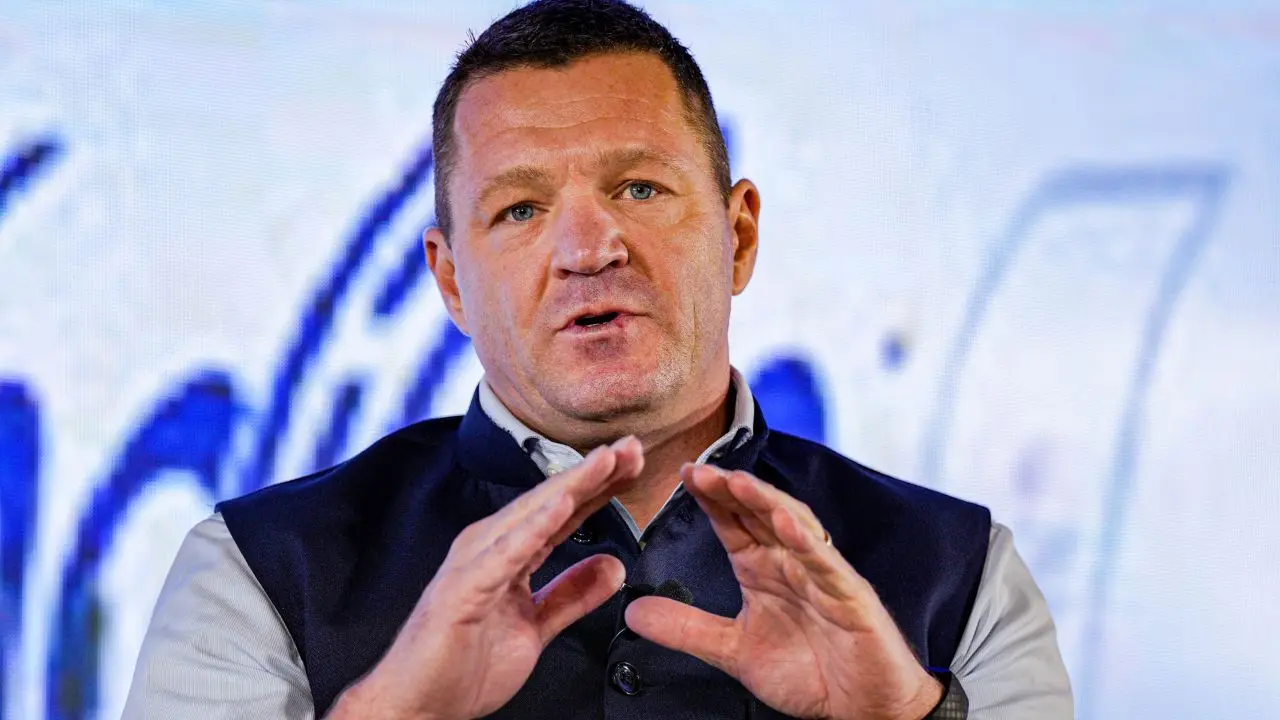
10 March,2026 07:52 PM IST | Mumbai | mid-day online correspondentPieter Elbers has stepped down as the chief executive officer (CEO) of IndiGo, the country’s largest airline operated by InterGlobe Aviation Limited, months after the low-cost carrier faced its worst-ever flight disruption in December last year. In a filing to stock exchanges, the airline said Rahul Bhatia, managing director of InterGlobe Aviation, has taken charge of the airline’s management on an interim basis. “With immediate effect, Pieter Elbers will be stepping down as IndiGo CEO. The Board of Directors would like to thank Pieter for his contribution and service to the organisation and wishes him well in his future endeavours,” the airline said. “Rahul Bhatia, Managing Director of IndiGo, shall in the interim assume management of the affairs of the airline until such time that the Company announces the arrival of a new leader, which is expected in short order,” it added in its regulatory filing. Vikram Singh Mehta, chairman of the Board, said Bhatia has returned to oversee the airline’s management to strengthen the company’s culture, reinforce operational excellence, and deepen its commitment to delivering exceptional service marked by care, reliability and professionalism to customers. “Having founded and nurtured IndiGo for twenty-two years, I feel a deep sense of personal commitment and responsibility towards our nation, and towards the airline’s customers, employees, shareholders and all other stakeholders,” Bhatia said. Strong growth under Pieter Elbers overshadowed by December flight crisis Elbers, who took over as IndiGo CEO a little over three years ago, oversaw a period of strong growth for the airline. During his tenure, IndiGo crossed the USD 10 billion revenue mark and expanded its fleet to more than 440 aircraft. The airline also placed a historic order for 500 A320-family aircraft with Airbus, one of the largest aircraft orders in aviation history. However, despite these achievements, Elbers’ tenure was overshadowed by a major operational crisis in December 2025. The disruption was triggered when the airline struggled to implement new rules aimed at preventing pilot fatigue. Between December 3 and 5, IndiGo cancelled more than 2,500 flights and delayed nearly 1,900 others, affecting over 3 lakh passengers across the country. (With IANS inputs)
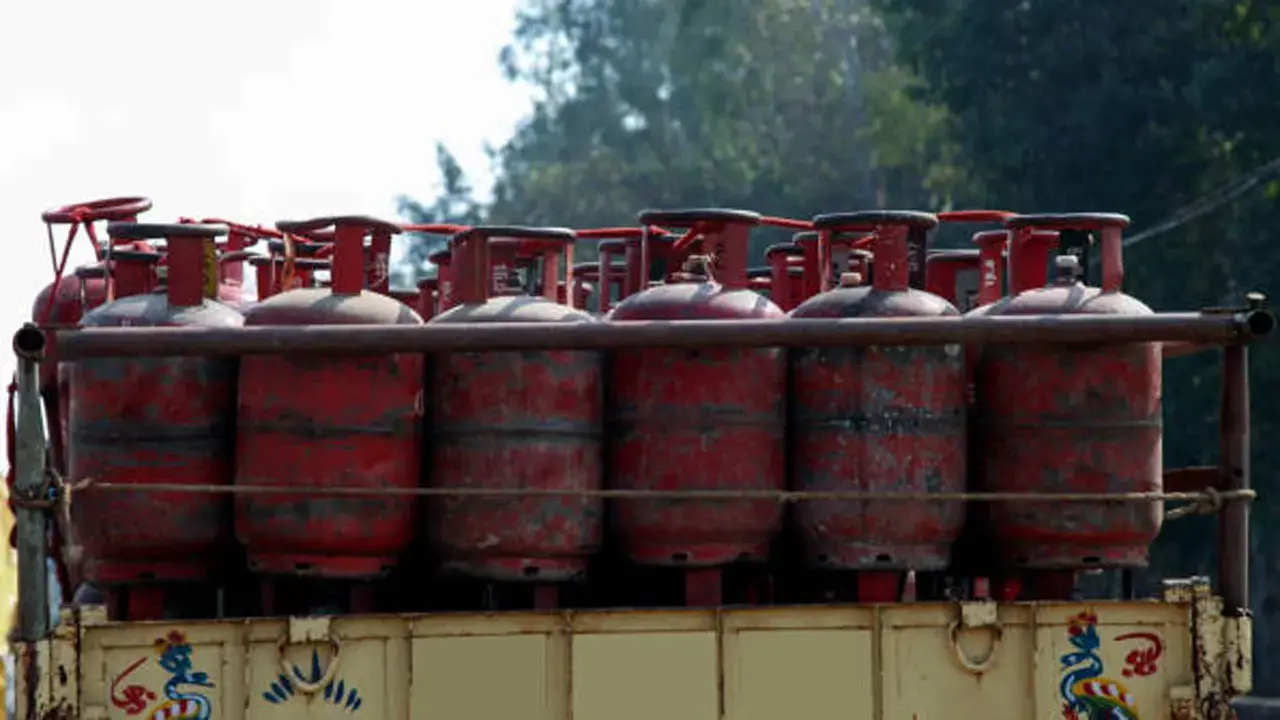
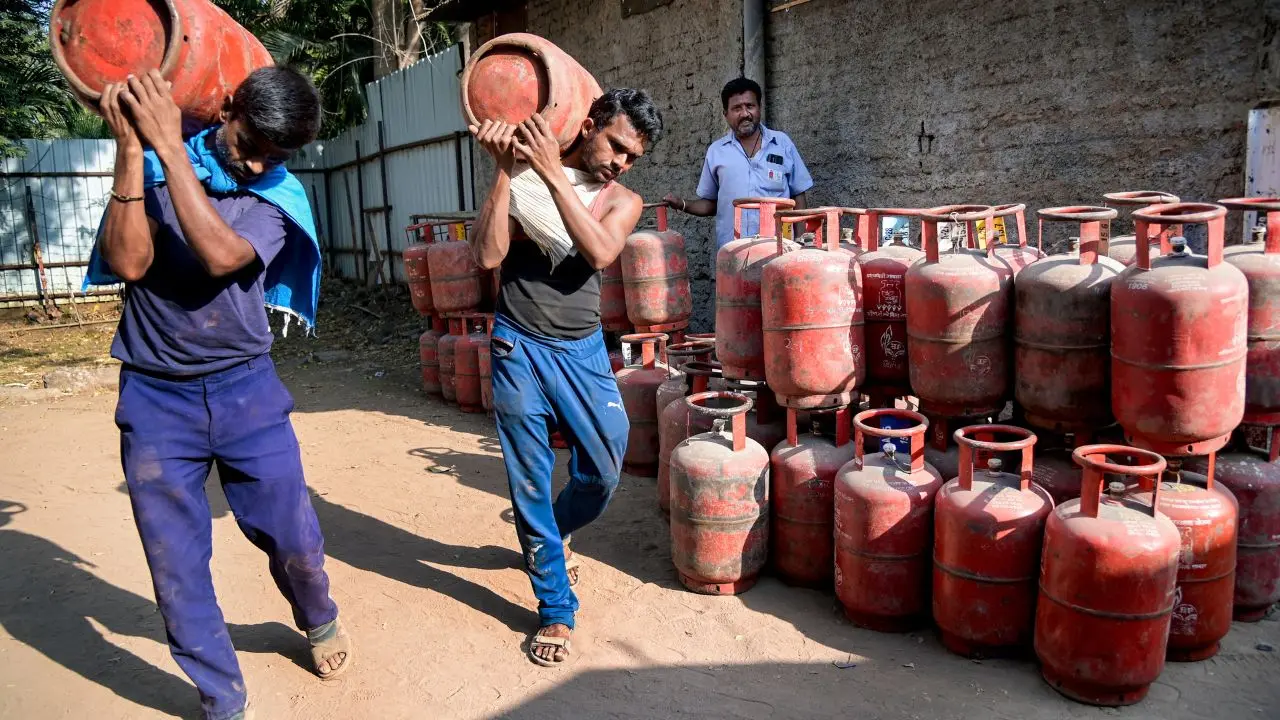
10 March,2026 07:14 PM IST | New Delhi | mid-day online correspondentState-run Indian Oil Corporation has said steps are being taken to enhance liquefied petroleum gas (LPG) production and prioritise supplies for domestic consumers and essential sectors in view of global fuel supply disruptions caused by ongoing geopolitical tensions. In a post on social media platform X, the company said LPG availability is being prioritised for households as well as essential non-domestic sectors such as hospitals and educational institutions. “In light of current geopolitical disruptions affecting global fuel supply, steps have been taken to enhance LPG production and prioritise its availability for domestic consumers and essential non-domestic sectors such as hospitals and educational institutions,” the company said. In light of current geopolitical disruptions affecting global fuel supply, steps have been taken to enhance LPG production and prioritise its availability for domestic consumers and essential non-domestic sectors such as hospitals and educational institutions.Requests from other… pic.twitter.com/tvAftzauu4 — Indian Oil Corp Ltd (@IndianOilcl) March 10, 2026 Requests from other non-domestic sectors will be examined by a committee of executive directors from oil marketing companies and prioritised based on merit, necessity and product availability, the company added. India’s three public sector oil marketing companies — Indian Oil Corporation, Bharat Petroleum Corporation Limited and Hindustan Petroleum Corporation Limited — jointly handle the distribution of LPG across the country. The development comes as the Centre has invoked the Essential Commodities Act to ensure uninterrupted supply of domestic cooking gas after reports of a shortage of commercial LPG cylinders from sectors such as hotels and restaurants. West Asia conflict: Refineries asked to maximise LPG production Under the move, refineries and petrochemical units have been directed to maximise LPG production and divert key hydrocarbon streams to the LPG pool to boost availability and stabilise supplies for household consumption. The government has also issued the Natural Gas (Supply Regulation) Order 2026 to regulate production and sector-wise allocation of natural gas, including liquefied natural gas (LNG) and re-gasified LNG, with priority being given to critical sectors. These sectors include domestic piped natural gas (PNG) supply, compressed natural gas (CNG) for transport, LPG production, pipeline compressor fuel requirements, fertiliser plants, tea industries and other key industrial consumers. Implementation of the regulation has been entrusted to GAIL (India) Limited in coordination with the Petroleum Planning and Analysis Cell (PPAC), which will oversee adherence to the sector-wise allocation framework. Meanwhile, the government has increased the minimum waiting period for booking a domestic LPG cylinder refill from 21 days to 25 days to prevent hoarding, amid signs of panic buying linked to fears of supply disruptions due to the escalating conflict in the Middle East. Officials said there is adequate LPG supply in the country and the extended booking interval has been introduced primarily to manage inventory efficiently. West Asia conflict: LPG demand rises 15–20 per cent amid panic booking According to officials, LPG demand had surged by around 15 to 20 per cent in recent days due to panic booking. An average household typically consumes seven to eight LPG cylinders of 14.2 kg in a year and generally does not require a refill in less than six weeks. A senior official told news agency IANS said that retail prices of petrol and diesel are unlikely to be raised for now, with oil marketing companies expected to absorb the current cost pressures while the government continues to monitor global oil markets closely. Parliament was also informed that India currently has crude oil and petroleum product storage capacity sufficient for about 74 days, which can help the country manage supply disruptions in case of adverse geopolitical developments. (With IANS inputs)
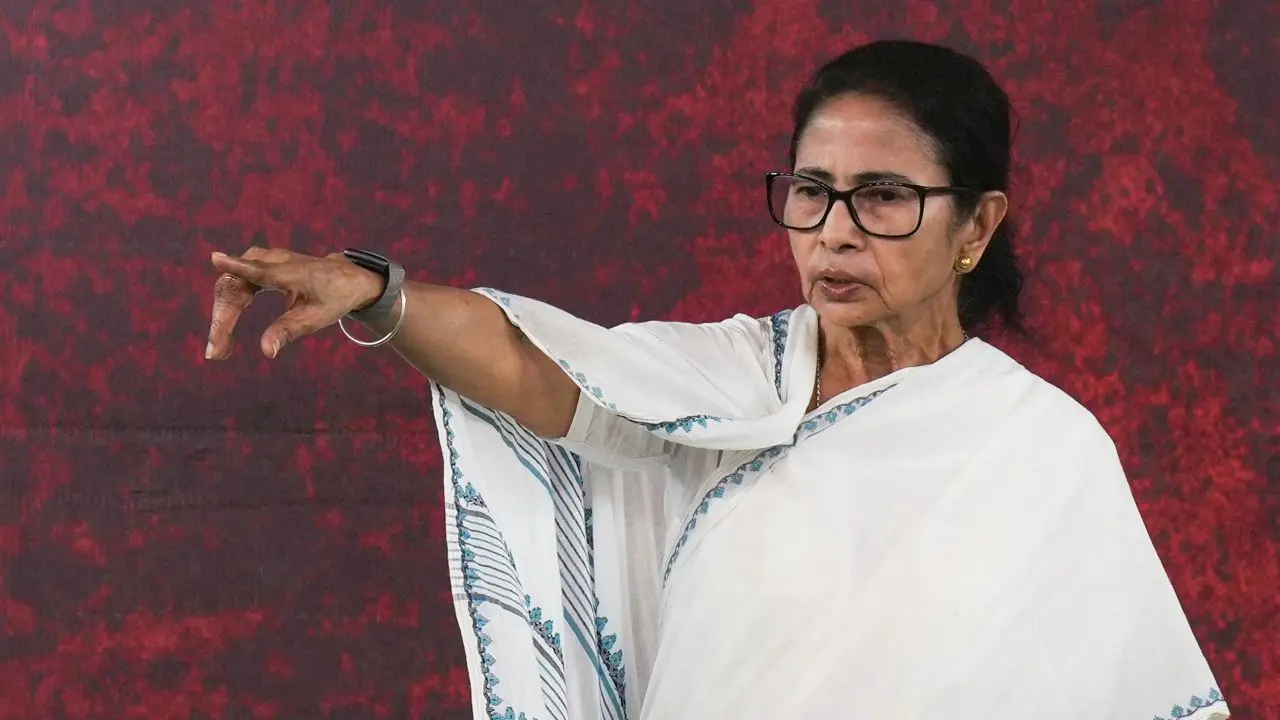
10 March,2026 06:09 PM IST | Mumbai | mid-day online correspondentThe BJP on Tuesday condemned "treasonous" actions of Chief Minister Mamata Banerjee, alleging that her government "exploited" the minority community to ensure their "absolute, desperate dependence on the ruling syndicate". In a statement, the BJP said these actions have "exposed" Banerjee's "politics of appeasement" not as a shield for minorities but as a "cold, calculated strategy to weaponise insecurity, disrupt national integration and ultimately threaten the very existence of a peaceful West Bengal". "For over a decade, Mamata Banerjee has brutally manufactured a sense of perpetual victimhood among the Muslim community. She has cynically used them not as citizens to be empowered but as a captive private militia to disrupt the Indian State and maintain her iron, dictatorial grip on power," the party said in the statement. It further said that state BJP president Samik Bhattacharya, has relentlessly "exposed the grim, undeniable reality that the Muslims of West Bengal have been confined to poor living conditions under the rule of the Trinamool Congress." "Not a single genuine effort has been made by this corrupt state government to uplift the minority community socially, financially or educationally. They have been deliberately kept in the dark ages. The Trinamool Congress has shamelessly exploited the Muslim community, treating them like a disposable vote bank. They have been intentionally starved of opportunities and kept impoverished to ensure their absolute, desperate dependence on the ruling syndicate," it said. According to the party, the highest number of "desperate youths forced into gruelling migrant labour and the highest number of people currently in jails of the state are Muslims". "This is the true face of the 'development' of Mamata Banerjee. She peddles manufactured terror to the minority community by offering them a fabricated protection from the Bharatiya Janata Party instead of providing them with basic human dignity, modern education or jobs," it said. The party said that it stands as the last, resolute line of defence against this treacherous, anti-West Bengal agenda. "We will not allow the systematic annihilation of our beloved West Bengal, and we will fight to our last breath to establish a glorious, secure and prosperous Bengal," it added. This story has been sourced from a third party syndicated feed, agencies. Mid-day accepts no responsibility or liability for its dependability, trustworthiness, reliability and data of the text. Mid-day management/mid-day.com reserves the sole right to alter, delete or remove (without notice) the content in its absolute discretion for any reason whatsoever.
10 March,2026 05:57 PM IST | West Bengal | IANSThe Gujarat government has imposed a 50 per cent cut on industrial uses of gas amid concerns over the West Asia conflict, a state minister said on Tuesday, while assuring that domestic LPG distribution remains uninterrupted. The state and the Centre were coordinating closely to ensure that households do not face any shortage of cooking gas cylinders, Gujarat Energy Minister Rushikesh Patel told reporters in Gandhinagar ahead of the assembly session. Measures were being taken in line with periodic guidelines issued by the central government to prevent panic and ensure the steady availability of LPG for households, he said. "The state government is constantly working to make sure that no household is left without a cylinder. We are in continuous contact with the central government regarding this," the minister stated. He said restrictions have been placed on certain industrial uses of gas to prioritise domestic consumption. "We have imposed a 50 per cent cut in the gas supply to industries. For fertiliser and milk (processing), there is a cut of about 40 per cent in gas supply," Patel informed. The decision was aimed at ensuring that domestic users get cooking gas without any disruption, he said. "This is to ensure that there is no disruption for domestic gas users. The state government is committed to maintaining a regular and steady supply for households," he added. Responding to a query about reports from Rajkot claiming that hotels and restaurants are getting messages about restrictions on commercial gas cylinders, Patel denied any such directive. "There is nothing like that," the minister asserted. "As far as commercial gas cylinders are concerned, there is currently no cut or restriction on them," he said. The government's immediate focus is to ensure that domestic kitchens continue to function normally and that there is no disruption to household cooking, the minister said. "To ensure that no individual faces difficulty in getting cooking gas, especially the gas used for domestic purposes, the state and central governments are working together," he added. The oil ministry has constituted a committee to examine supply issues after a sudden shortage of commercial LPG cylinders alarmed the hospitality sector, with restaurant associations warning that eateries could shut down within days if supplies are not restored. "For LPG supply to other non-domestic sectors, a committee of three Executive Directors (EDs) of Oil Marketing Companies (OMCs) have been constituted to review the representations for LPG supply to restaurants/hotels/other industries," the ministry said in a post on X. India consumes about 31.3 million tonnes of LPG annually. As much as 87 per cent of this is in the domestic sector i.e. household kitchens, and the rest in commercial establishments such as hotels and restaurants. Of this total requirement, as much as 62 per cent is met through imports. The US and Israel's attack on Iran and Tehran's retaliation have shut the Strait of Hormuz - the conduit through which India got 85-90 per cent of its LPG imports from countries like Saudi Arabia. As alternate sources are being scouted, the limited supplies available meant the government prioritising supplies to the domestic sector, and in the process, the commercial establishments have suffered. Earlier on March 6, an industry representative said that around 100 ceramic manufacturing units in Gujarat's Morbi have shut down due to disruption in gas supplies amid the ongoing West Asia conflict. This story has been sourced from a third party syndicated feed, agencies. Mid-day accepts no responsibility or liability for its dependability, trustworthiness, reliability and data of the text. Mid-day management/mid-day.com reserves the sole right to alter, delete or remove (without notice) the content in its absolute discretion for any reason whatsoever.
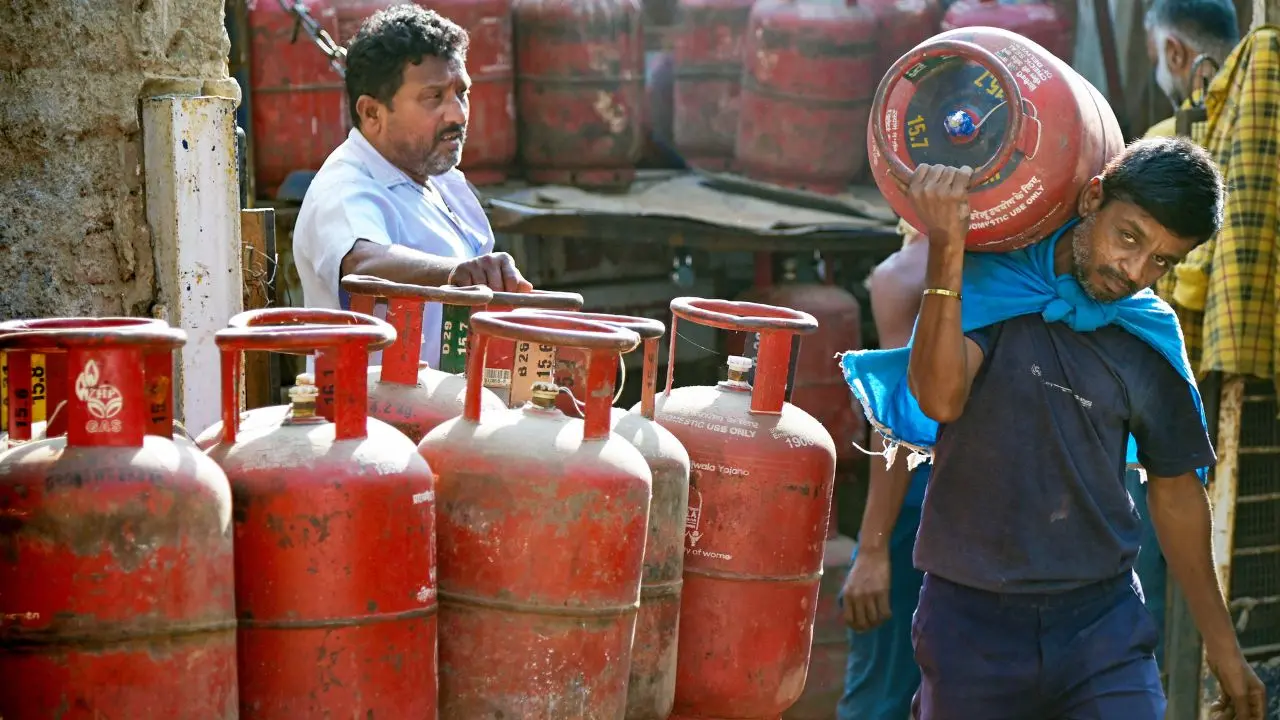
10 March,2026 05:55 PM IST | Ahmedabad | PTIAmid concerns arising from the ongoing US-Israel-Iran conflict, Commercial LPG cylinder distribution has been temporarily stopped in Madhya Pradesh's capital Bhopal and a new direction issued for booking of domestic LPG cylinder. National Vice President of the LPG Association, R K Gupta highlighted that Commercial LPG cylinders were not issued since yesterday, but an exemption was given to hospitals and educational institutions. "The next booking for LPG cylinders will be allowed only after the 25th day from the date of the previous delivery, and there is no shortage in supply of LPG as it is stated by oil companies. Commercial LPG cylinders have not been issued since yesterday, but an exemption has been given to hospitals and educational institutions," Gupta told ANI. When asked about inconvenience due to the temporary halt of Commercial LPG cylinder distribution, he said that it is natural that some inconvenience may occur given the current global situation. Additionally, when questioned whether the disruption of commercial cylinders may lead to consumption of domestic cylinders, the official said that the district administration was closely monitoring the situation to avoid such practices. "The oil companies are reviewing the matter and the district administration is closely monitoring the situation. Further details will be provided after a meeting scheduled this evening at 4:00 pm. There is no shortage in the supply of domestic LPG," Gupta added. Nonetheless, long queues were seen at gas distribution centers for domestic cylinders, leaving the public distressed by delays in receiving domestic gas cylinders. The public claimed that they were unable to receive cylinders even after obtaining a slip. The booking period for domestic LPG cylinders has been increased from 21 days to 25 days. Under the revised rule, consumers can now book the next cylinder only after completing 25 days from the delivery of the previous one. A consumer, Anju Vishwakarma, told ANI, "We are facing a lot of trouble in getting a gas cylinder. Even after obtaining a slip, we are unable to get one. I have to take leave from work to collect the cylinder, but still haven't received it." Another consumer Jaipal Bagde said that he was given a time to pick up the gas cylinder, but then was told he would be receiving tomorrow, not today. On the other hand, a shopkeeper Rajkumar Jain said that the temporary halt on commercial gas cylinders was causing serious difficulties. Traders were facing problems as only one or two days of stock was left. Business associations have urged the government to find a solution to the issue at the earliest so that commercial activities are not affected. This story has been sourced from a third party syndicated feed, agencies. Mid-day accepts no responsibility or liability for its dependability, trustworthiness, reliability and data of the text. Mid-day management/mid-day.com reserves the sole right to alter, delete or remove (without notice) the content in its absolute discretion for any reason whatsoever.
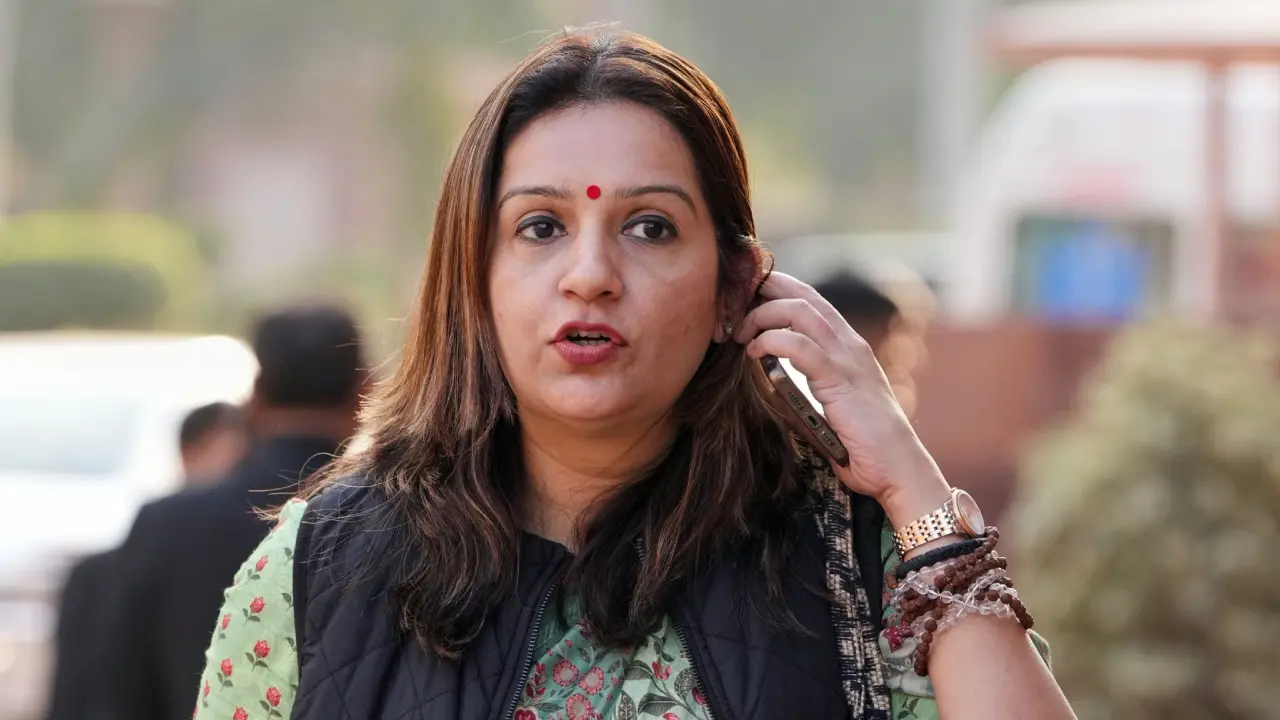
10 March,2026 05:54 PM IST | Bhopal (Madhya Pradesh) | ANIThe Opposition leaders on Tuesday expressed concern over a growing LPG supply shortage in India, linking it to escalating tensions in West Asia and urging the government to hold a detailed debate in Parliament on the country’s energy security, reported the IANS. Jebi Mather, Member of Parliament from the Indian National Congress, criticised the government over reports of cooking gas shortages in several cities. She said hoteliers in cities such as Bengaluru, Pune and Chennai have warned that they may be forced to shut their establishments if the shortage continues. Mather questioned the government’s preparedness to deal with the situation and asked whether India had a clear strategy to manage the crisis. Referring to statements by Donald Trump on global energy issues, she asked whether India planned to rely on international developments or had its own plan to address the shortage, according to the IANS. According to her, there is currently little clarity about how the government intends to tackle the LPG supply challenges. Concerns over fuel reserves Shiv Sena (UBT) leader Priyanka Chaturvedi of raised concerns about the government’s claims regarding fuel reserves. She said that during Question Hour in Parliament, the government initially claimed that India had 72 days of fuel reserves, but later it emerged that only around 25 days of reserves were available, the news agency reported. Opposition seeks discussion Another Congress MP, Manish Tewari, said the opposition had moved an adjournment motion in Parliament to discuss the issue, as per the IANS. Tewari warned that the ongoing conflict in West Asia and the wider Middle East could have serious implications for India’s energy security. He also pointed out that the price of LPG cylinders had recently been increased by Rs 55, while shortages were being reported in cities including Mumbai and Bengaluru. Impact visible in several cities Mahua Maji of the Jharkhand Mukti Morcha said the effects of the shortage were already visible in some places. She pointed to long queues for LPG cylinders and fuel at petrol pumps in Ranchi and urged the government to take urgent steps to address the situation, the IANS reported. Concerns Over Global Supply Disruptions Opposition leaders also highlighted the impact of geopolitical tensions involving Iran, Israel and the United States, which have disrupted fuel shipments through the strategic Strait of Hormuz, as per the IANS. Reports suggest that LPG supplies in cities such as Mumbai, Bengaluru and Kolkata have been affected. In some cases, domestic LPG refills now require a waiting period of up to 25 days, while commercial supply to restaurants has been temporarily halted. Call for urgent measures Mallu Ravi of the Congress warned that the shortage could worsen if the West Asia conflict continues. Opposition parties have been pressing the government for a comprehensive discussion in Parliament, arguing that the evolving geopolitical situation could significantly affect India’s fuel supply and economic stability, the news agency reported. (with IANS inputs)
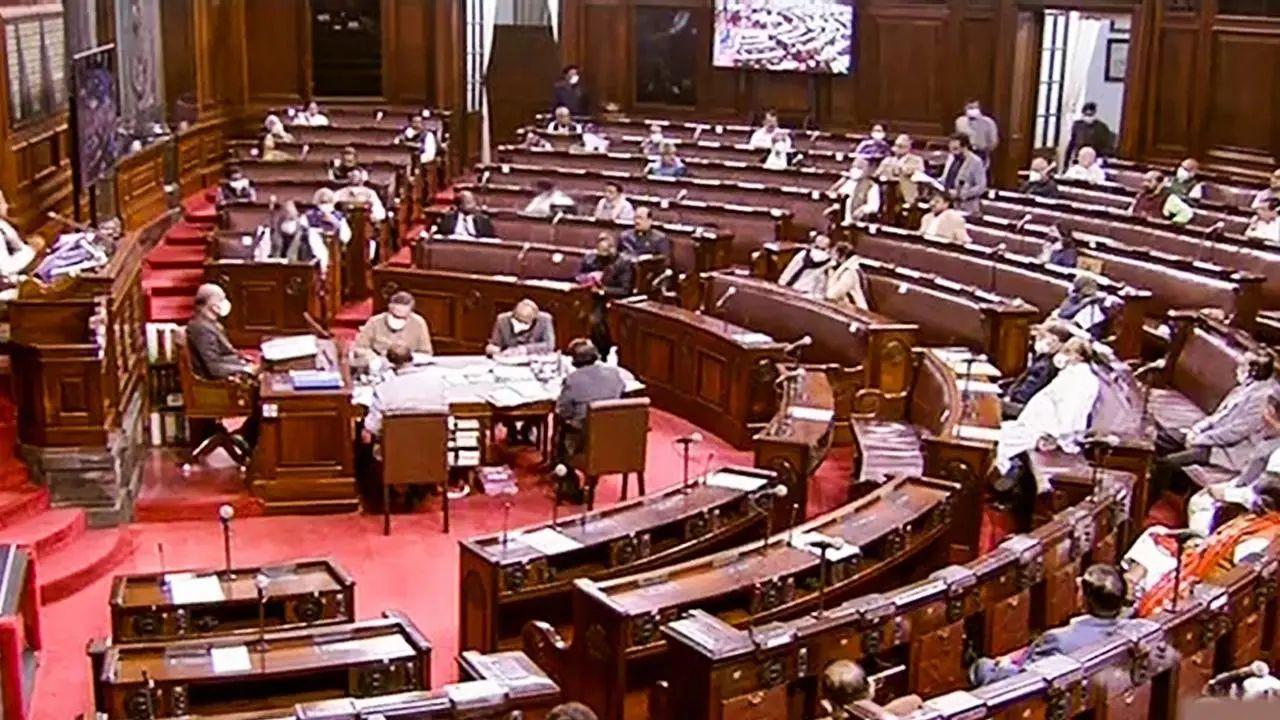
10 March,2026 04:33 PM IST | New Delhi | mid-day online correspondentProceedings in the Rajya Sabha turned chaotic on Tuesday as Opposition members staged a walkout amid heated exchanges over the Special Intensive Revision (SIR) of electoral rolls, currently underway in several states by the Election Commission of India (ECI). Later the Chairman adjourned the House till late in the afternoon. The SIR exercise, aimed at purifying voter lists by verifying eligibility and removing ineligible entries, has sparked sharp political divisions ahead of upcoming Assembly polls. Leader of the House, J.P. Nadda, strongly condemned the Opposition's actions, accusing them of deliberately avoiding substantive debate. "The Opposition doesn't want actual discussion inside the House," Nadda remarked. He pointed out that a detailed debate on electoral reforms had already taken place, during which ample time was provided to all members. Despite this, he said, the Opposition continued to raise the SIR issue repeatedly. "They have walked out again and show no interest in constructive dialogue," Nadda added, echoing similar criticisms he made the previous day. The trouble began when Leader of Opposition Mallikarjun Kharge labelled the SIR process a "fraud," prompting immediate intervention from Chairman Radhakrishnan. The Chair firmly ruled that such terminology would not be permitted, emphasising decorum in the House. Opposition members responded with protests, displaying placards and raising slogans during on-going proceedings. The Chairman repeatedly warned against such displays, stating clearly that placards are not allowed inside the chamber. When members demanded further speaking time on the matter, Radhakrishnan rebuffed them, saying, "You cannot force the Chair to take political advantage." He reiterated that everyone had been given adequate opportunity to speak during the prior electoral reforms discussion and that rehashing the SIR now was inappropriate. The standoff escalated as Opposition Benches resorted to sloganeering, disrupting regular business. After brief but intense protests, the entire Opposition contingent walked out, leaving the Treasury Benches to continue. The SIR, announced by the ECI in late 2025, involves intensive verification of voter details to ensure only eligible citizens remain on rolls, addressing issues like duplicate entries, deceased voters, and potential inclusions of non-citizens. The government has defended it as constitutionally aligned, rooted in principles of universal adult franchise and one-person-one-vote. Critics, including Opposition parties, have raised concerns about possible disenfranchisement of genuine voters, particularly in states gearing up for 2026 elections. This story has been sourced from a third party syndicated feed, agencies. Mid-day accepts no responsibility or liability for its dependability, trustworthiness, reliability and data of the text. Mid-day management/mid-day.com reserves the sole right to alter, delete or remove (without notice) the content in its absolute discretion for any reason whatsoever.
10 March,2026 04:10 PM IST | New Delhi [India] | IANSADVERTISEMENT







-1773135895547_d.png "Prime Minister Narendra Modi to visit South India tomorrow. File Pic")