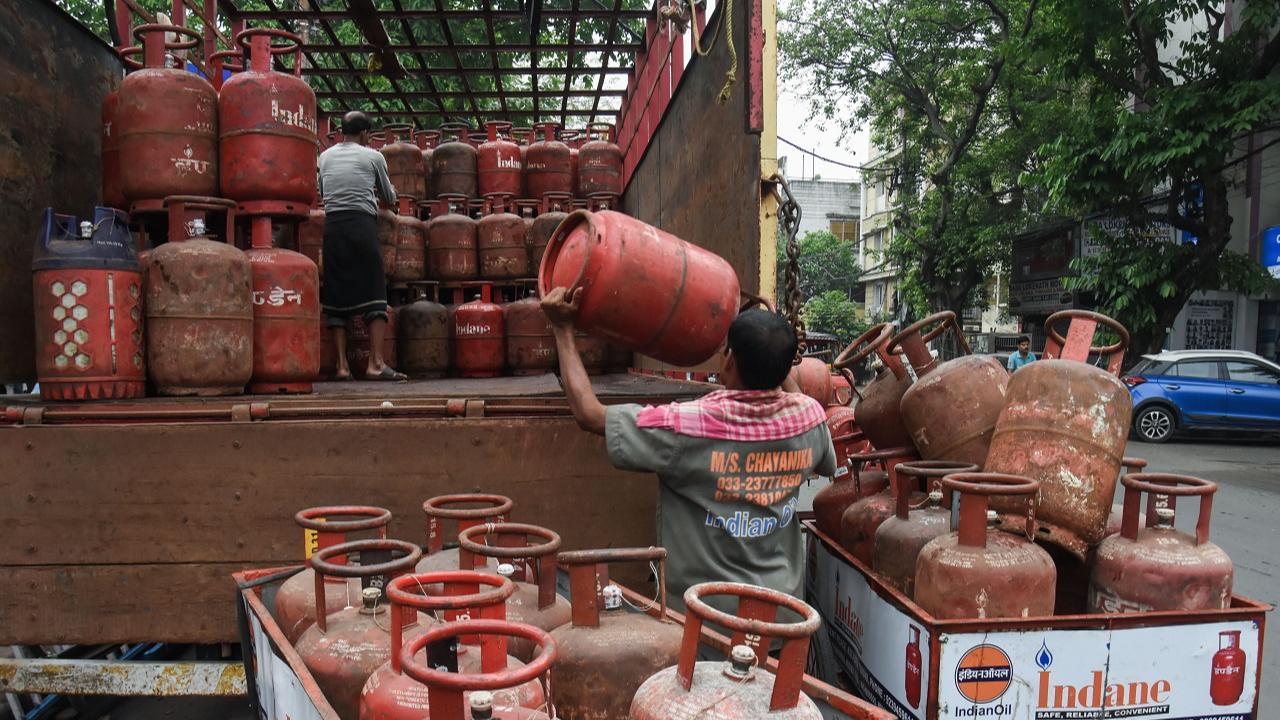
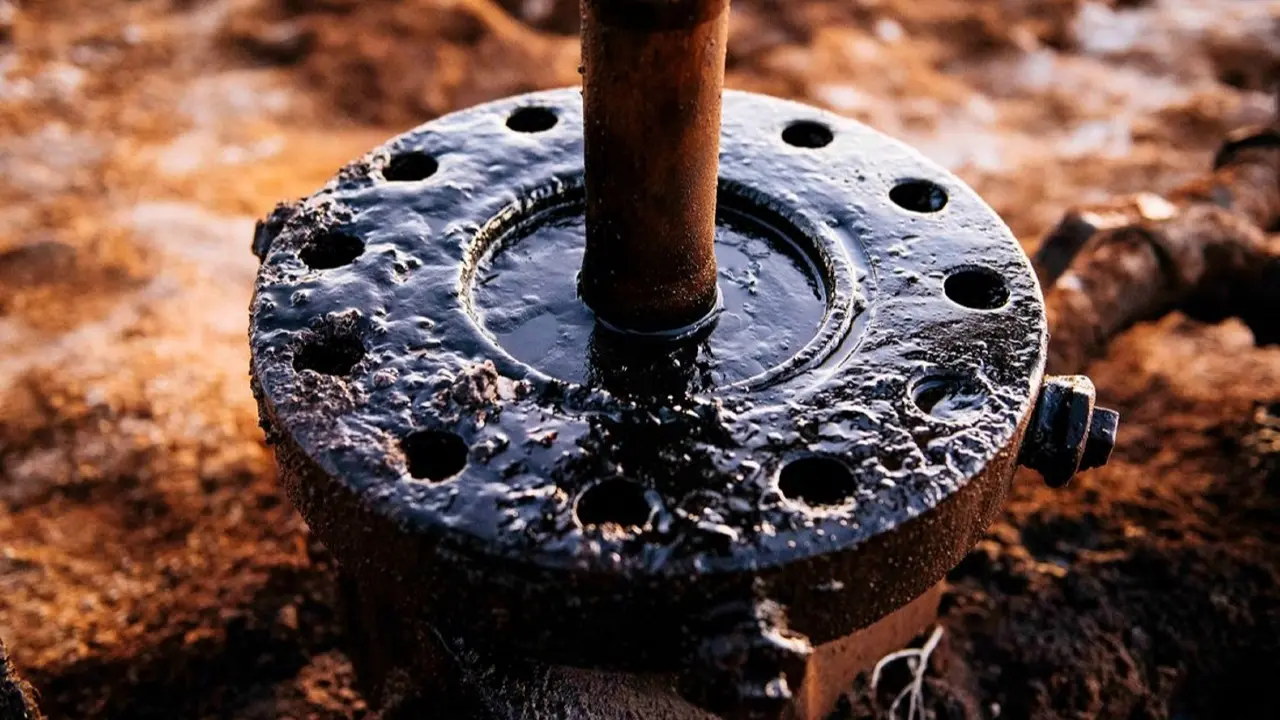
Commercial liquefied petroleum gas (LPG) cylinder prices have been increased by Rs 195.50 from April 1, 2026, owing to rising global oil prices amid the ongoing West Asia conflict. Following the price hike, a 19-kg commercial cylinder in Mumbai now costs Rs 2,031.00, while in Delhi, it is priced at Rs 2,078.50. The last hike of Rs 114.50 was announced on March 1. The price rise is likely to affect hotels, restaurants, and small businesses that depend heavily on commercial gas. The latest revision comes against the backdrop of escalating geopolitical tensions in West Asia, involving the United States, Israel and Iran, which has led to a blockade of the Strait of Hormuz, a key global transit route for crude oil and energy supplies. Since late February, global oil prices have risen by nearly 50 percent due to the conflict. Commercial LPG cylinder rates (19 kg) Delhi – Rs 2,078.50 Mumbai – Rs 2,031.00 Kolkata – Rs 2,208.00 Bengaluru – Rs 2,246.50 However, in some respite to domestic LPG consumers, the government has kept the prices of domestic cylinders unchanged. The price of domestic cylinders was last increased by Rs 60 in March 2026. In Delhi, a 14.2-kg cylinder continues to cost Rs 913, while in Mumbai, it is available for Rs 912.50. Domestic LPG cylinder rates (14.2 kg) Delhi – Rs 913.00 Mumbai – Rs 912.50 Kolkata – Rs 939.00 Chennai – Rs 928.50 Bengaluru – Rs 915.50 Hyderabad – Rs 965.00 Jaipur – Rs 916.50 Lucknow – Rs 950.50 Patna – Rs 1,002.50 Chandigarh – Rs 922.50 Thiruvananthapuram – Rs 922.00 Meanwhile, aviation turbine fuel (ATF) prices have also seen an increase following the April 1 revision. In Delhi, ATF prices rose to Rs 1,04,927 per kilolitre from Rs 96,638.14 in March, while in Mumbai, rates increased to Rs 98,247 from Rs 90,451.87. The Central government reduced excise duty on petrol to Rs 3 per litre and brought it down to zero for diesel, as per a Gazette notification issued under the provisions of the Central Excise Act, 1944. Additionally, a windfall tax of Rs 21.5 per litre has been imposed on diesel exports. Fuel prices in India are revised monthly by government-run oil companies based on international rates and currency exchange changes. (With ANI inputs)
01 April,2026 05:48 PM IST | Mumbai | mid-day online correspondentThe Central Board of Indirect Taxes and Customs (CBIC) on Wednesday introduced a one-time relief measure for Special Economic Zone (SEZ) units, allowing them to sell goods in the Domestic Tariff Area (DTA) at concessional duty rates amid global trade disruptions, reported news agency IANS. Relief Measure Announced in Budget 2026-27 The move follows the Union Budget 2026–27 announcement aimed at supporting manufacturing units in SEZs affected by supply chain disruptions linked to geopolitical tensions, including the Iran conflict. The relief has been implemented through an exemption notification under the Customs Act, 1962 and will remain in effect from April 1, 2026, to March 31, 2027. Concessional Duty Rates for SEZ Units Under the new framework, SEZ units can sell goods domestically at reduced customs duty rates. Duties of 20 per cent have been cut to 12.5 per cent, while those in the 20–30 per cent range have been reduced to 15 per cent, reported IANS. Similarly, duties ranging between 30 and 40 per cent have been lowered to 20 per cent, offering significant cost relief to manufacturers. Conditions to Ensure Fair Competition The government has introduced safeguards to maintain a level playing field for domestic manufacturers operating in the DTA. Only SEZ units that began production on or before March 31, 2025, will be eligible for the scheme, reported IANS. Additionally, goods sold under this relief window must have at least 20 per cent value addition over inputs, ensuring that benefits are extended only to genuine manufacturing activity. Cap on Domestic Sales to Maintain Export Focus To preserve the export-oriented nature of SEZs, the government has capped domestic sales under the scheme. Eligible units can sell only up to 30 per cent of their highest annual export value (FOB) recorded in any of the previous three financial years, reported IANS. Officials emphasised that the primary objective of SEZ units will continue to remain exports, with the relief measure offering temporary flexibility during global disruptions, reported IANS. Automated and Faceless Assessment Process The CBIC stated that the scheme will be implemented through its automated system, with assessments of bills of entry conducted under a faceless mechanism. This is expected to ensure transparency, efficiency, and ease of compliance, reported IANS. Certain Sectors Kept Out of Relief Window Some sectors have been excluded from the concessional duty framework to protect domestic industries and address sector-specific sensitivities. The government is also set to release detailed FAQs to provide further clarity to stakeholders. Support Amid Global Trade Uncertainty The relief measure comes at a time when global trade flows have been impacted by disruptions in key supply routes and rising input costs. By easing duty burdens, the government aims to help SEZ units sustain operations and remain competitive. Overall, the initiative is expected to provide temporary relief to exporters and manufacturers while balancing the interests of domestic industry and maintaining the integrity of the SEZ framework. (With inputs from IANS)
01 April,2026 05:06 PM IST | New Delhi | mid-day online correspondentA 54-year-old assistant sub-inspector has been suspended after he allegedly asked a woman detainee to send her daughter to him for sexual favours in Maharashtra’s Akola district, police said on Wednesday. The woman had been apprehended in connection with a financial fraud case involving Rs 80 lakh and was being held at the Civil Lines Police Station lockup. On Tuesday, Assistant Sub-Inspector Rajesh Jadhav, who was on duty, allegedly misused his position to lure the woman with offers of money and demanded that she send her daughter to him for sexual favours, police inspector Anil Jumle said. The woman then approached senior police officials with a complaint. A video later surfaced on social media showing senior officers confronting and reprimanding the ASI. District Superintendent of Police Archit Chandak suspended the ASI with immediate effect on Tuesday, the official said. A case has been registered against the accused on charges of outraging a woman’s modesty and under other relevant legal provisions, he added. Rape-accused 'godman' Ashok Kharat sent to judicial custody till April 14 A court in Maharashtra’s Nashik has remanded self-styled godman Ashok Kharat to 14-day judicial custody in connection with multiple sexual assault allegations, officials said on Wednesday, reported news agency PTI. Court Orders Judicial Custody After Police Remand Ends Kharat was produced before the court after the end of his police custody on Wednesday. The Special Investigation Team (SIT), which is probing the case, sought judicial custody during the hearing, reported PTI. Sessions judge B N Ichpurani subsequently ordered that Kharat be sent to judicial custody till April 14. He will be lodged at Nashik Road Central Jail, reported PTI. Arrest Followed Multiple Allegations Kharat was arrested on March 18 after a 35-year-old woman accused him of repeatedly raping her over a period of three years. Following his arrest, several more complaints of a similar nature surfaced. Authorities have registered at least 10 FIRs against him at Sarkarwada police station, including eight related to alleged sexual assault or exploitation and two for cheating, reported PTI. SIT Probe Expands as Complaints Rise The SIT has been actively investigating the case and has reportedly received over 100 complaints via phone, indicating a wider pattern of alleged misconduct. Officials said the probe is ongoing, with investigators examining evidence and statements from multiple complainants. Family Members Under Scanner On Wednesday, the SIT detained Kharat’s son, Harshvardhan, for questioning from their residence in Karmayogi Nagar. He was later released the same day, reported PTI. Investigators are also attempting to trace Kharat’s wife, Kalpana, who has been named in a cheating case registered in Ahilyanagar district, reported PTI. Evidence Seized from Premises Last week, the SIT conducted a search operation at Kharat’s office in Nashik along with a forensic science team. During the raid, officials recovered documents, files, and other materials relevant to the investigation. Among the items seized was a 20-foot remote-controlled mechanised snake, which Kharat allegedly used to create an illusion of possessing supernatural powers. Godman’s Influence Under Scrutiny Kharat, who heads a temple trust in Sinnar, had reportedly built a following over the years, with several political figures visiting him in the past. As the investigation continues, authorities are expected to further examine the extent of the allegations and identify any additional victims or associates linked to the case. (With inputs from PTI)
01 April,2026 03:28 PM IST | Akola | mid-day online correspondentThe Ministry of Petroleum and Natural Gas on Wednesday clarified that domestic LPG, petrol and diesel prices remain unchanged, despite a sharp rise in global fuel costs driven by geopolitical tensions, reported news agency IANS. Only Commercial LPG Prices Increased The government stated that only commercial LPG cylinder prices have been revised upward, as they are market-linked and deregulated. These cylinders are primarily used by hotels, restaurants, and industries, and account for less than 10 per cent of total LPG consumption in the country, reported IANS. The recent hike follows a steep 44 per cent increase in global LPG benchmark prices, particularly the Saudi Contract Price, which rose from USD 542 per metric tonne in March to USD 780 for April, reported IANS. Domestic LPG Prices Remain Protected To shield households from rising international prices, the government has kept the cost of domestic LPG unchanged. A 14.2 kg domestic cylinder continues to be priced at Rs 913, reported IANS. Under the Pradhan Mantri Ujjwala Yojana (PMUY), subsidised LPG cylinders for economically weaker sections remain available at Rs 613, ensuring affordability for vulnerable households. Oil Companies Bearing Significant Losses The Ministry highlighted that public sector oil marketing companies are currently incurring an under-recovery of around Rs 380 per LPG cylinder at existing prices. It added that cumulative losses are expected to reach over Rs 40,000 crore in the coming months, reported IANS. In the previous year, total losses of approximately Rs 60,000 crore were shared equally between the government and oil companies to cushion consumers from global price shocks. India Among Lowest LPG Prices Globally Despite global volatility, India continues to maintain relatively low domestic LPG prices compared to neighbouring countries. The Ministry noted that LPG prices are significantly higher in countries such as Pakistan, Sri Lanka, and Nepal, reported IANS. This pricing strategy is aimed at balancing consumer affordability with international market realities. Petrol and Diesel Prices Remain Stable Retail prices of regular petrol and diesel have also been kept unchanged. In Delhi, petrol continues to retail at Rs 94.77 per litre, while diesel is priced at Rs 87.67 per litre, reported IANS. The Ministry said that despite a sharp rise in global petroleum prices—up by as much as 100 per cent in the past month—oil companies are absorbing significant under-recoveries at the retail level. Premium Fuels Revised, Limited Impact on Consumers The government clarified that recent price increases apply only to premium petrol variants such as XP95 and other high-octane fuels. These products are revised more frequently and account for just 2–5 per cent of total fuel sales, limiting their impact on the broader consumer base, reported IANS. Global Disruptions Continue to Impact Markets The surge in international fuel prices has been linked to supply disruptions, particularly around the Strait of Hormuz, a critical global oil transit route. These developments have increased import costs for countries like India. Despite these pressures, the government emphasised that it remains committed to protecting consumers by keeping essential fuel prices stable, even as global markets remain volatile. (With inputs from IANS)
01 April,2026 03:20 PM IST | New Delhi | mid-day online correspondentThe Special Investigation Team (SIT), which is probing the rape-accused self-styled godman Ashok Kharat, has detained his son from Nashik city for questioning and is also searching for his wife, police said, PTI reported. At least 10 FIRs, eight for alleged sexual assault or exploitation and two for cheating, have been registered against Kharat at Sarkarwada police station in Nashik, while the SIT has received more than 100 complaints over the phone against him. An SIT team reached Kharat's house in Karmayogi Nagar on Tuesday and detained his son, Harshvardhan, who was then taken to the Maharashtra Police Academy (MPA) for questioning, police sources said, the news agency reported. Son detained after wife remains absconding Investigators are also trying to trace Kharat's wife, Kalpana, but the SIT team failed to find her at the residence and detained their son instead, they added. According to PTI, Kharat’s police custody will end on Wednesday, after which he will be produced in a local court. Kharat’s wife among five accused in cheating case Meanwhile, police in the neighbouring Ahilyanagar district on Tuesday registered a case against five persons, including Kharat’s wife, for cheating a landowner of more than Rs 4 crore, officials said. Police in the temple town of Shirdi have arrested two accused in connection with the case. Kharat’s wife remains absconding, and efforts are ongoing to trace her, the official added. “A landowner from Shirdi had taken an unsecured loan of Rs 5.52 crore from Kharat’s wife against four acres of land. He had repaid around Rs 1.5 crore, but Kharat allegedly tried to grab the land. The owner then lodged a complaint with the police, based on which a case was registered for fraud and under the Maharashtra Money Lending (Regulation) Act,” he said, the PTI reported. The two arrested persons have been identified as Arvind Bawake and Kiran Sonawane, he added, noting that Kharat, his wife, and a middleman are all accused in the case. (With PTI inputs)
01 April,2026 02:58 PM IST | Nashik | mid-day online correspondentThe Cabinet Committee on Security (CCS) is set to meet at 7 pm on Wednesday in the national capital to discuss developments amid the ongoing conflict in West Asia. The situation escalated in West Asia after a joint US-Israel military strike on February 28 on Iranian territory resulted in the death of its Supreme Leader, Ayatollah Ali Khamenei, and other senior figures, prompting a fierce response from Tehran. A week earlier, Prime Minister Narendra Modi chaired a meeting of the Cabinet Committee on Security to review the situation, the ongoing and proposed mitigating measures in the context of the ongoing West Asia Conflict. According to the Prime Minister's Office, the Cabinet Secretary gave a detailed presentation on the global situation and the mitigating measures taken so far and being planned by all concerned Ministries/Departments of the Government of India. The expected impact and measures taken to address it across sectors like agriculture, fertilisers, food security, petroleum, power, MSMEs, exporters, shipping, trade, finance, supply chains and all affected sectors were discussed. The overall macro-economic scenario in the country and further measures to be taken were also discussed. The ongoing conflict in West Asia will have significant short, medium and long term impact on the global economy and its effect on India was assessed, and counter-measures, both immediate and long-term, were discussed. A detailed assessment of availability for critical needs of the common man, including food, energy and fuel security, was made. Short term, medium-term and long-term measures to ensure the continued availability of essential needs were discussed in detail. The impact on farmers and their requirement for fertiliser for the Kharif season was assessed. The measures taken in the last few years to maintain adequate stocks of fertilisers will ensure timely availability and food security. Alternate sources of fertilisers were also discussed to ensure continued availability in the future. It was also determined that an adequate supply of coal stocks at all power plants will ensure no shortage of electricity in India. This story has been sourced from a third party syndicated feed, agencies. Mid-day accepts no responsibility or liability for its dependability, trustworthiness, reliability and data of the text. Mid-day management/mid-day.com reserves the sole right to alter, delete or remove (without notice) the content in its absolute discretion for any reason whatsoever.
01 April,2026 02:54 PM IST | New Delhi | ANIPrime Minister Narendra Modi on Wednesday addressed a large public rally in Gogamukh, Assam, expressing confidence that the Bharatiya Janata Party (BJP) will secure a third consecutive term in the state while highlighting development initiatives and future plans, reported news agency IANS. Modi Projects Hat-Trick Victory for BJP Addressing the gathering, PM Modi said the BJP is poised for a “hat-trick” victory in Assam, citing strong public support and governance performance. He asserted that the party has consistently delivered on its promises, distinguishing itself from its political rivals, reported IANS. He also took an indirect swipe at Congress leader Rahul Gandhi, suggesting that the opposition has faced repeated electoral setbacks in recent years. ‘Viksit Assam Key to Viksit Bharat’ Vision Emphasising Assam’s importance in India’s growth story, PM Modi said that a developed India can only be achieved through a developed Assam. He also invoked the state’s cultural and historical legacy, referring to iconic figures like Lachit Borphukan and Bhupen Hazarika as enduring inspirations, reported IANS. Focus on Welfare and Housing Schemes Highlighting welfare initiatives, the Prime Minister said over 22 lakh families in Assam have received permanent homes under government schemes. He added that an additional 15 lakh families will benefit from housing initiatives in the coming years. He reiterated that a “double-engine government” - with the BJP in power at both the Centre and the state - ensures faster and more effective delivery of welfare schemes. Women Empowerment and Key Poll Promises PM Modi underscored the government’s focus on women empowerment, noting that around three lakh women in Assam have achieved financial independence. He announced a target to increase this number to 40 lakh, reported IANS. He also said that the Orunodoi scheme, which provides financial assistance to women, will be expanded. Among other key promises, PM Modi reiterated plans to implement the Uniform Civil Code (UCC) in the state. Infrastructure, Agriculture and Flood Control Plans On infrastructure, PM Modi highlighted the rapid expansion of connectivity in Assam, stating that multiple bridges have been built over the Brahmaputra in the last decade, with more under construction, reported IANS. He also pointed to benefits received by around 20 lakh farmers under the PM-Kisan scheme and outlined plans to address the state’s recurring flood problem. The government has proposed an investment of Rs 18,000 crore for flood mitigation, including measures related to the Subansiri River. Push for Industrial and Educational Growth The Prime Minister said Assam is emerging as a potential hub for semiconductor manufacturing and emphasised the state’s untapped natural resources. He also highlighted improvements in healthcare and education infrastructure, noting a significant increase in the number of medical colleges, engineering institutions, and polytechnics over the past decade. Criticism of Congress and Call to Protect Indigenous Interests Criticising the Congress, PM Modi accused the party of pursuing divisive politics and failing to address key issues during its tenure. He also alleged that previous policies were aimed at appeasing specific vote banks, reported IANS. Reaffirming the BJP’s commitment, he said the party will work to protect the rights of indigenous communities and ensure balanced development. Concluding his address, PM Modi said the BJP remains committed to both development and preservation of cultural heritage, promising to continue working towards the aspirations of the people of Assam. (With inputs from IANS)
01 April,2026 02:45 PM IST | Guwahati | mid-day online correspondentState-run oil marketing company Indian Oil Corporation (IOC) has increased the prices of premium fuels in the national capital, even as regular petrol and diesel rates remain unchanged across major cities, reported news agency IANS. XP100 Petrol Price Jumps to Rs 160 Per Litre IOC has raised the price of its high-octane XP100 petrol to Rs 160 per litre in Delhi, up from Rs 149 earlier. This premium fuel is typically used in luxury vehicles and high-performance motorcycles to improve engine efficiency and performance, reported IANS. The price revision reflects rising input costs and global crude oil trends, which have been volatile in recent weeks. Premium Diesel Also Sees Price Hike Along with petrol, the price of Xtra Green diesel - IOC’s premium diesel offering - has also been increased. It now costs Rs 92.99 per litre in Delhi, compared to Rs 91.49 previously, reported IANS. Premium fuels are generally less regulated and are more sensitive to fluctuations in global oil prices, unlike regular petrol and diesel. Regular Petrol and Diesel Prices Stay Stable Despite the increase in premium fuel rates, retail prices of regular petrol and diesel have remained steady. In Delhi, petrol continues to be sold at Rs 94.72 per litre, while diesel is priced at Rs 87.62 per litre, reported IANS. In Mumbai, petrol is retailing at Rs 103.44 per litre and diesel at Rs 89.97 per litre. Oil marketing companies have maintained stability in these essential fuels to shield consumers from global price volatility, reported IANS. LPG and ATF Prices Also Rise Sharply Meanwhile, other petroleum products have seen notable price increases. Commercial LPG cylinders have become costlier by Rs 195.50, while aviation turbine fuel (ATF) prices have surged significantly, crossing Rs 2 lakh per kilolitre. These increases are likely to impact sectors such as hospitality and aviation, potentially leading to higher operational costs. Global Oil Trends Influence Domestic Pricing The changes in fuel pricing come amid rising global crude oil prices, driven by geopolitical tensions in West Asia. Developments involving the United States and Iran have contributed to uncertainty in global energy markets. Statements by US President Donald Trump suggesting a possible pause in military action have raised hopes of de-escalation, but risks remain. Strait of Hormuz Disruptions Keep Markets on Edge Supply concerns continue to persist due to disruptions around the Strait of Hormuz, a critical route for global oil shipments. Any instability in this region can significantly impact crude prices worldwide. Despite these pressures, retail fuel prices in India have remained stable so far, indicating a calibrated approach by oil companies to balance global trends with domestic affordability. (With inputs from IANS)
01 April,2026 01:37 PM IST | New Delhi | mid-day online correspondentInternational crude oil prices slipped on Wednesday after early gains, declining nearly 3 per cent from intraday highs as hopes of easing tensions between the United States and Iran weighed on market sentiment, reported news agency IANS. Brent and WTI Retreat After Early Rally Brent crude futures dropped to an intraday low of USD 102.79 per barrel, down about 2.9 per cent from the day’s high of USD 105.86. At the time of reporting, Brent was trading around USD 103.19 per barrel, nearly 1 per cent lower, reported IANS. Similarly, US West Texas Intermediate (WTI) crude declined by as much as 2.19 per cent from its intraday high of USD 103.31, settling near USD 101.25 per barrel. The fall came after both benchmarks had posted strong gains earlier in the day, reported IANS. Volatility Driven by Geopolitical Developments Analysts attributed the sharp price swings to ongoing geopolitical developments and mixed macroeconomic signals. Market sentiment improved after US President Donald Trump indicated that the US could potentially step back from the conflict within two to three weeks, reported IANS. Iran has also signalled a conditional willingness to ease hostilities, raising expectations of a possible de-escalation. However, analysts cautioned that uncertainty over the timing and structure of any agreement continues to keep markets volatile. Strait of Hormuz Remains Critical Concern Despite the decline, supply-side risks remain significant, particularly around the Strait of Hormuz, a key global oil transit route through which nearly one-fifth of the world’s crude supply passes, reported IANS. Any disruption in this region could tighten supply and push prices higher again, limiting the downside in oil markets. Prices Stay Elevated Above USD 100 Oil prices have largely stayed above the USD 100 per barrel mark throughout March, supported by geopolitical tensions and supply disruptions. Analysts noted that while easing tensions have triggered some profit-booking, the broader trend remains firm, reported IANS. Global factors, including mixed economic data from major economies such as the US and China, along with currency movements, continue to influence crude price trends. Indian Markets Gain on Positive Sentiment The easing in crude prices boosted investor sentiment in domestic equity markets. Benchmark indices such as the BSE Sensex and Nifty 50 rose by up to 3 per cent in early trade, tracking positive global cues, reported IANS. Uncertainty Continues to Loom While hopes of de-escalation have led to a pullback in oil prices, analysts believe uncertainty remains high. Risks related to supply routes and geopolitical stability could continue to drive volatility in the coming days. Markets are expected to remain sensitive to further developments in the US-Iran situation, with even minor updates likely to impact global oil prices significantly. (With inputs from IANS)
01 April,2026 01:27 PM IST | New Delhi | mid-day online correspondentA bill seeking to recognise Amaravati as the sole and permanent capital of Andhra Pradesh was introduced in Lok Sabha on Wednesday, an initiative which will fulfil a vital aspiration of key NDA ally TDP and Chief Minister N Chandrababu Naidu. The legislation will scuttle any future bid to alter the decision of making Amaravati the sole and permanent capital as was done by the state's previous government, led by YSR Congress president YS Jagan Mohan Reddy. Union Minister of State for Home Nityanand Rai moved the Andhra Pradesh Reorganisation (Amendment) Bill, 2026, in Lok Sabha and Speaker Om Birla put it for vote and accepted it following a voice vote. On March 28, the state legislative assembly also passed a resolution requesting the Centre for amendment of Section 5 of the Andhra Pradesh Reorganisation Act to incorporate the name of "Amaravati" as the new capital of Andhra Pradesh. As the first chief minister of bifurcated Andhra Pradesh between 2014 and 2019, TDP supremo Naidu had announced that Amaravati would be the capital of the state and invested extensively in its development. However, the TDP lost power in the 2019 assembly elections and Reddy assumed charge as the chief minister. During his tenure, Reddy altered Naidu's decision and announced that Andhra Pradesh would have three capitals - administrative capital at Visakhapatnam, legislative capital at Amaravati and judicial capital at Kurnool -- instead of a single capital city at Amaravati. After Naidu returned to power in 2024, he announced that Amaravati would be the sole capital of the state. The Andhra Pradesh Reorganisation Act, under which Telangana was created, recognises Hyderabad as the capital of the new state, but there was no mention as to where the capital of Andhra Pradesh would come up. The proposed Andhra Pradesh Reorganisation (Amendment) Bill 2026 by the NDA government would cement Amaravati's stature as the sole capital. The TDP is a key ally of the ruling NDA and extends vital support to the Narendra Modi government with its 16 MPs in the Lok Sabha. According to the Bill circulated among Lok Sabha members, the provisions of the 2014 Andhra Pradesh Reorganisation Act provide that on and from the appointed day, Hyderabad will be the common capital for Telangana and Andhra Pradesh for a period not exceeding ten years. After which, Hyderabad will be the capital of Telangana, and there will be a new capital for the successor state of Andhra Pradesh. After the reorganisation law came into being, the Andhra Pradesh government, "after due consideration, consultation, and planning, identified and notified 'Amaravati' as the new capital of that state," the bill noted. Once the bill becomes an Act, Amravati will be legally recognised as the capital of Andhra Pradesh with effect from June 2, 2024. It said significant administrative and legislative measures have been undertaken, besides the infrastructural developments in and around Amaravati, with the objective of establishing it as the capital of Andhra Pradesh. It observed that on March 28, the state legislative assembly passed a resolution requesting the Centre to amend Section 5 of the Reorganisation Act to incorporate the name of "Amaravati" as the new capital of Andhra Pradesh. To give effect to the resolution of the state legislative assembly, and to provide "statutory clarity regarding the capital" of AP, the bill proposes to amend sub-section (2) of section 5 of the reorganisation law to incorporate the name of "Amaravati" as the new capital of Andhra Pradesh with effect from June 2, 2024. This story has been sourced from a third party syndicated feed, agencies. Mid-day accepts no responsibility or liability for its dependability, trustworthiness, reliability and data of the text. Mid-day management/mid-day.com reserves the sole right to alter, delete or remove (without notice) the content in its absolute discretion for any reason whatsoever.
01 April,2026 01:14 PM IST | New Delhi [India] | PTIIndia’s Goods and Services Tax (GST) collections recorded strong growth in March 2026, with gross revenues rising 8.8 per cent year-on-year to cross the Rs 2 lakh crore mark, according to official data released on Wednesday, reported news agency IANS. March GST Collections Cross Rs 2 Lakh Crore Mark Gross GST revenue stood at Rs 2,00,064 crore in March, compared to Rs 1,83,845 crore in the same period last year. The increase was largely driven by a sharp rise in import-related collections, which grew by 17.8 per cent during the month, reported IANS. Domestic GST revenues, while steady, grew at a comparatively moderate pace of 5.9 per cent, reflecting stable consumption trends within the country. Net Collections Show Steady Growth After Refunds After adjusting for refunds, net GST collections rose 8.2 per cent year-on-year to Rs 1,77,990 crore in March. Refunds during the month increased significantly by 13.8 per cent to Rs 22,074 crore, reported IANS. Notably, domestic refunds saw a sharp jump of 31.2 per cent, indicating improved compliance mechanisms and faster processing by tax authorities. FY26 GST Revenue Registers 8.3% Growth For the full financial year 2025–26, gross GST collections grew 8.3 per cent to Rs 22.27 lakh crore, up from Rs 20.55 lakh crore in FY25. Net GST revenue for the year stood at Rs 19.34 lakh crore, marking a 7.1 per cent increase, reported IANS. Experts say the consistent rise in GST collections reflects resilient economic activity and strong tax buoyancy, broadly aligned with India’s estimated GDP growth of around 7 per cent. Import Collections Drive Growth Momentum A key highlight of the fiscal year was the robust growth in import-related GST collections, which rose by 14.1 per cent. This indicates strengthening trade flows and sustained demand, even amid global economic uncertainties, reported IANS. Domestic GST revenues also maintained a steady upward trajectory, growing by over 6 per cent during the year, further reinforcing the stability of the tax base. Higher Refunds Reflect Improved Tax Efficiency While higher refunds - up nearly 18 per cent during FY26 - moderated net revenue growth, experts view this as a positive sign of improved efficiency in the tax system. Faster clearance timelines and streamlined processes have contributed to enhanced compliance and taxpayer confidence, reported IANS. However, cess collections during March saw a decline, turning negative at Rs (-177) crore, primarily due to higher refund adjustments. Consistent Growth Trend Continues The March figures continue a strong trend seen throughout the year. In February 2026, GST collections had already risen 9.1 per cent year-on-year to Rs 1.84 lakh crore, marking the 12th consecutive month where collections exceeded Rs 1.7 lakh crore, reported IANS. Overall, the GST performance highlights India’s fiscal stability and its position as a key growth engine in the global economy, supported by rising consumption, improved compliance, and robust trade activity. (With inputs from IANS)
01 April,2026 01:11 PM IST | New Delhi | mid-day online correspondentADVERTISEMENT







-1775037958453_d.png?tr=w-436,h-271 "In some respite to domestic LPG consumers, the government has kept the prices of domestic cylinders unchanged. Representational pic")