Home / News / India News / Article /
Shubhanshu Shukla completed seven microgravity experiments aboard ISS: ISRO
Updated On: 14 July, 2025 11:25 PM IST | New Delhi | mid-day online correspondent
According to the space agency, the experiments -- conducted in space’s microgravity environment -- included research on the Indian strain of Tardigrades, Myogenesis, sprouting of methi and moong seeds, Cyanobacteria, Microalgae, Crop Seeds, and the Voyager Display. All experiments were conducted as schedule





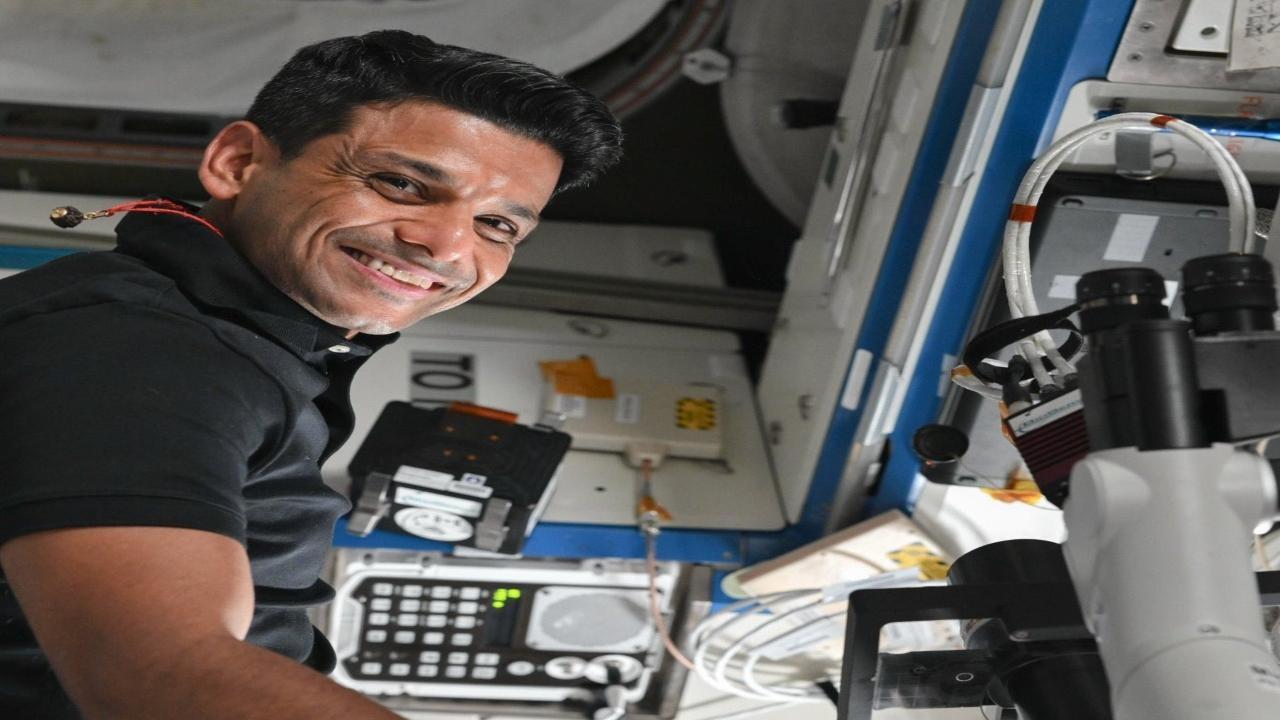
Astronaut Shubhanshu Shukla has successfully completed seven planned microgravity experiments. Pic/X
Astronaut Shubhanshu Shukla has successfully completed all seven planned microgravity experiments and related activities aboard the International Space Station (ISS), marking a key milestone in the Axiom-4 mission, the Indian Space Research Organisation (ISRO) announced on Monday, reported the PTI.
According to the space agency, the experiments -- conducted in space’s microgravity environment -- included research on the Indian strain of Tardigrades, Myogenesis, sprouting of methi and moong seeds, Cyanobacteria, Microalgae, Crop Seeds, and the Voyager Display. All experiments were conducted as scheduled, as per the PTI.
On July 13, 2025, members of Expedition 73 aboard the ISS joined the Axiom-4 crew, including ISRO’s Gaganyatri Shubanshu Shukla, for a farewell ceremony ahead of their departure.
Trending Stories
Latest Photos
Latest Videos
Latest Web Stories
ADVERTISEMENT
Mid-Day Fast
ADVERTISEMENT