Back in the USSR
Updated On: 04 September, 2022 07:16 AM IST | Mumbai | Paromita Vohra
Glasnost was even brandished by some young people I know (never said it was me), in arguments with parents





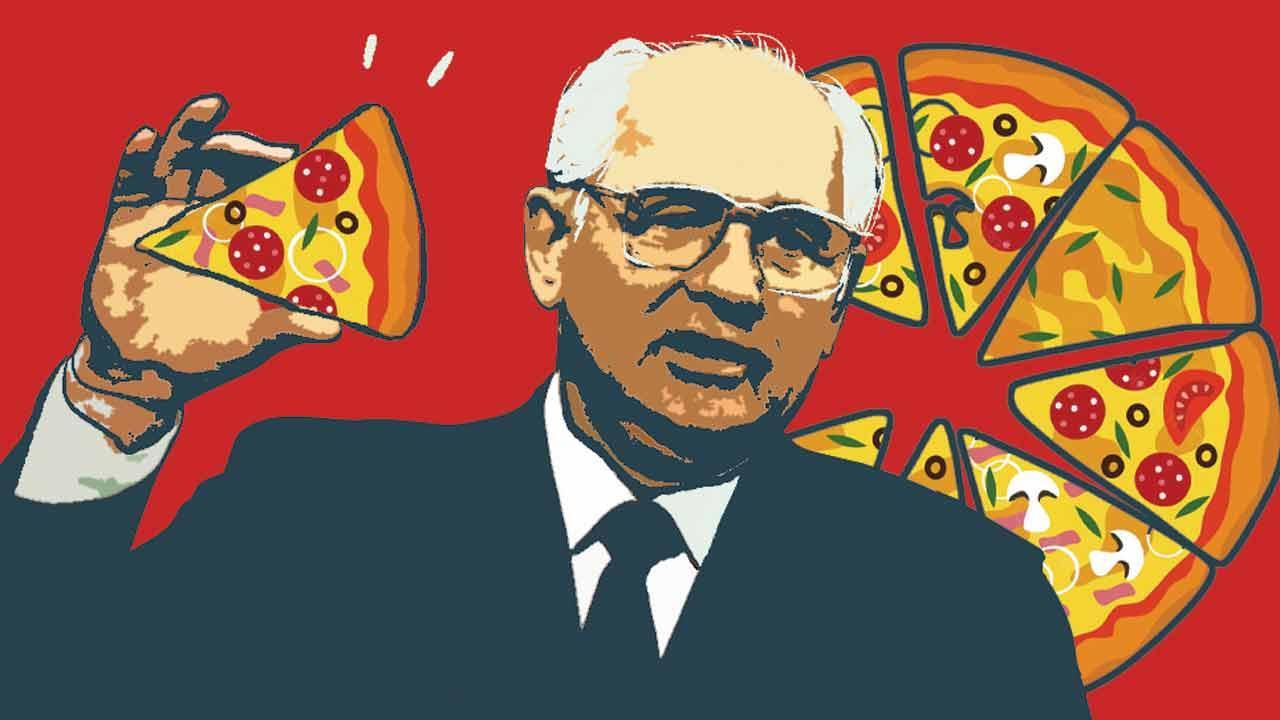
Illustration/Uday Mohite
 When news of Mikhail Gorbachev’s death came, many people I know were momentarily disorientated. The befuddlement of “I hadn’t realised he was still alive?” bore testimony to how Gorbachev receded from public memory. Yet, in the 1980s he pervaded political and cultural imagination around the world, and definitely in India. Our Russian vocabulary doubled—adding glasnost and perestroika to vodka and dasvidanya. Glasnost was even brandished by some young people I know (never said it was me), in arguments with parents. Some people named their child Raisa, after the Russian first lady.
Looking back, Gorbachev represented the mid-point of what in filmmaking terms is called a cross-fade. For my generation and those before, the Soviet Union was a proximate sensory reality. In part, it was through the now-nostalgically documented children’s storybooks, Baba Yagas and Mishas in captivating illustrations, full of uncommon colours and shaded wonder. It was also through the centrality of the figure of the child, seen as the citizen of tomorrow. In the storybook, this centrality was through actual child protagonists who had travails and adventures with myriad creatures—animals, witches, occasionally other humans, their emotions and perceptions shaping the narratives and the world-making of the books, a propaganda with room for poetry.
Trending Stories
Latest Photos
Latest Videos
Latest Web Stories
ADVERTISEMENT

Ganeshotsav 2026

ADVERTISEMENT