DN Road, where art thou?
Updated On: 15 May, 2023 06:13 AM IST | Mumbai | Fiona Fernandez
This street named after William Hornby, Governor of Bombay (1771- 84), and later, after Dr Naoroji, the visionary statesman, law-maker and son of the city, was one of the earliest planned roads when the first signs of a developed city emerged to raise its image as a trading, financial and naval hub





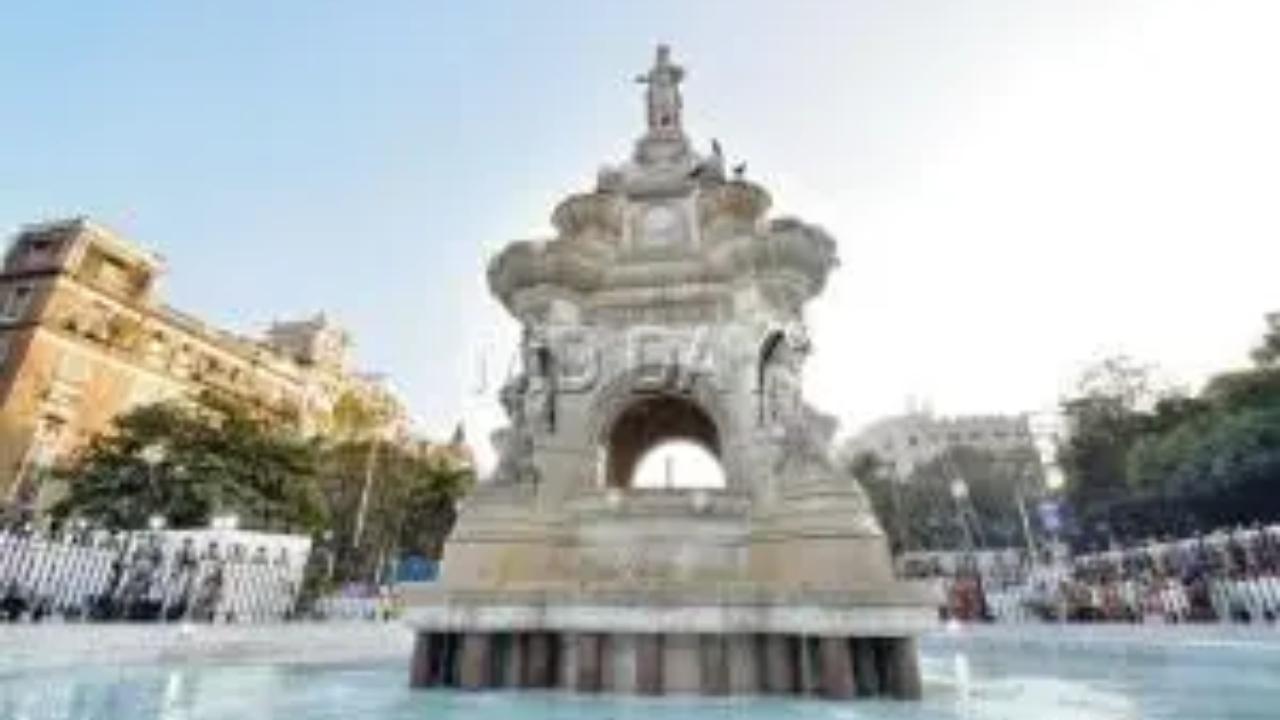
Representative image
 Of the many gems that Gillian Tindall, British urban historian, and author of City of Gold: The Biography of Bombay, reveals about our city in her encyclopaedic title, we found this one about Hornby Road, today’s Dr Dadabhai Naoroji Road, particularly interesting in the context of today’s column. She writes: “…you are actually walking on the very land which from the early eighteenth to the mid-nineteenth century, was occupied by a complex erection of walls, bastions and ravelins; when these were demolished in the 1860s, the modern roads were laid on the sites…”
This street named after William Hornby, Governor of Bombay (1771- 84), and later, after Dr Naoroji, the visionary statesman, law-maker and son of the city, was one of the earliest planned roads when the first signs of a developed city emerged to raise its image as a trading, financial and naval hub. The road, when ready, was opened in 1914, and linked Crawford Market (today’s Mahatma Phule Market) to Flora Fountain/Hutatma Chowk via Victoria Terminus (today’s CSMT). This key stretch, over time, became the address for important commercial and retail establishments—from department stores, to banks, booksellers and photo studios.
Trending Stories
Latest Photos
Latest Videos
Latest Web Stories
ADVERTISEMENT
Mid-Day Fast
ADVERTISEMENT