Home / News / World News / Article /
Ancient skull could change timeline of our evolution
Updated On: 27 September, 2025 12:34 PM IST | Beijing | Agencies
But experts not involved in the work cautioned that the findings were likely to be disputed, and pointed to ongoing uncertainties in the timeline of human evolution





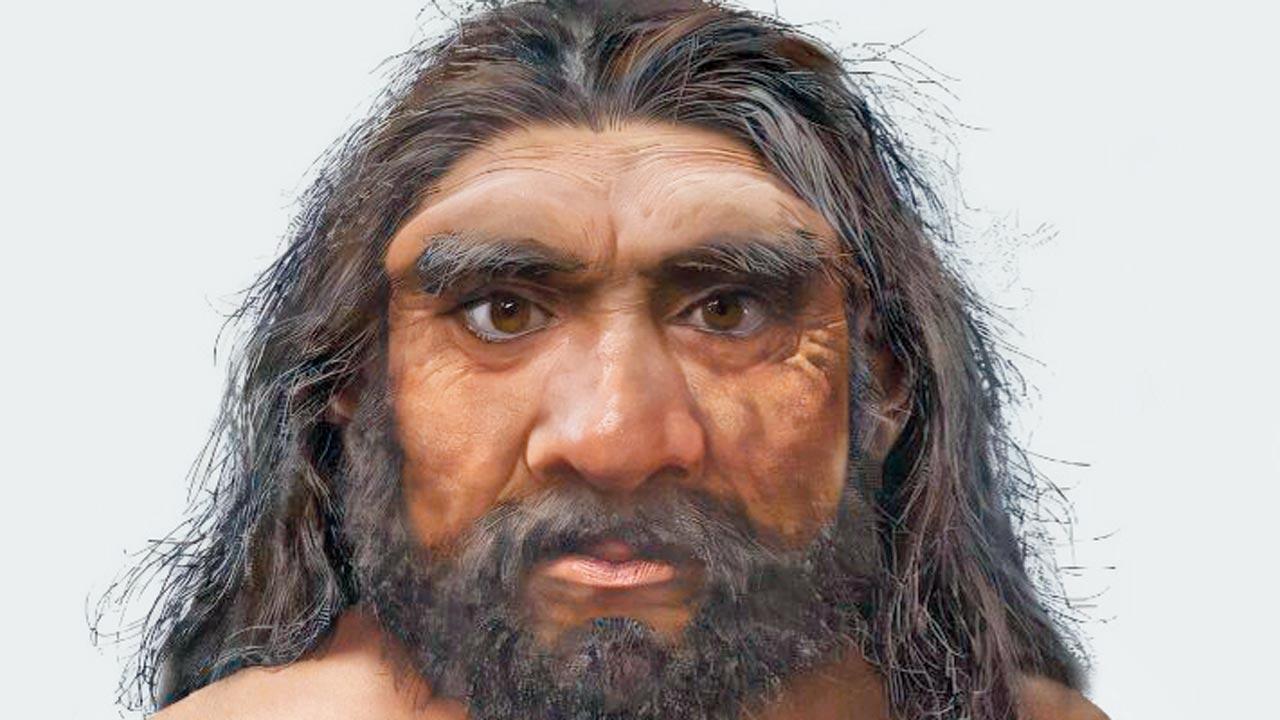
Researchers believe the reconstructed million-year-old skull found in China belonged to the Homo longi species. Pic Courtesy/Chuang Zhao
A digital reconstruction of a million-year-old skull suggests humans may have diverged from our ancient ancestors 400,000 years earlier than thought, and in Asia, not Africa, a study said on Friday.
Findings are based on a reconstruction of a crushed skull discovered in China in 1990, and have the potential to resolve the longstanding “Muddle in the Middle” of human evolution, researchers said. But experts not involved in the work cautioned that the findings were likely to be disputed, and pointed to ongoing uncertainties in the timeline of human evolution.
Trending Stories
Latest Photos
Latest Videos
Latest Web Stories
ADVERTISEMENT
Mid-Day Fast
ADVERTISEMENT