Home / News / World News / Article /
Penn State team develops breath sensor to detect diabetes in minutes
Updated On: 15 September, 2025 10:29 AM IST | Pennsylvania | Agencies
Traditional diagnostic approaches have typically relied on measuring glucose levels in blood or sweat. This new sensor, however, focuses on acetone in exhaled breath. Although acetone is naturally present as a byproduct of fat metabolism, levels higher than approximately 1.8 parts per million are a strong indicator of diabetes





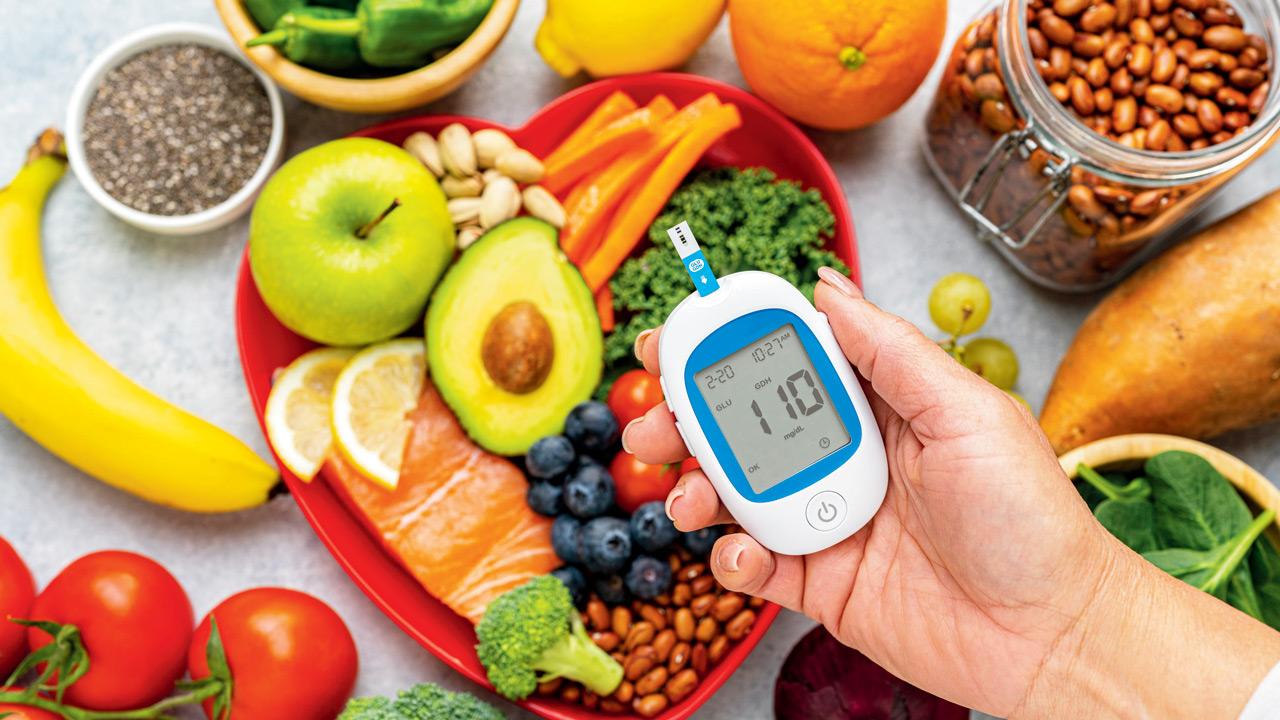
Traditional approaches relied on measuring blood glucose levels
A team led by Huanyu “Larry” Cheng, the James L. Henderson, Jr Memorial Associate Professor of Engineering Science and Mechanics at Penn State, has created a sensor capable of diagnosing diabetes and prediabetes within minutes using only a breath sample. Their findings were recently reported in Chemical Engineering Journal.
Traditional diagnostic approaches have typically relied on measuring glucose levels in blood or sweat. This new sensor, however, focuses on acetone in exhaled breath. Although acetone is naturally present as a byproduct of fat metabolism, levels higher than approximately 1.8 parts per million are a strong indicator of diabetes.
Trending Stories
Latest Photos
Latest Videos
Latest Web Stories
ADVERTISEMENT
Mid-Day Fast
ADVERTISEMENT