10 March,2026 10:32 AM IST | Mumbai | mid-day online correspondent
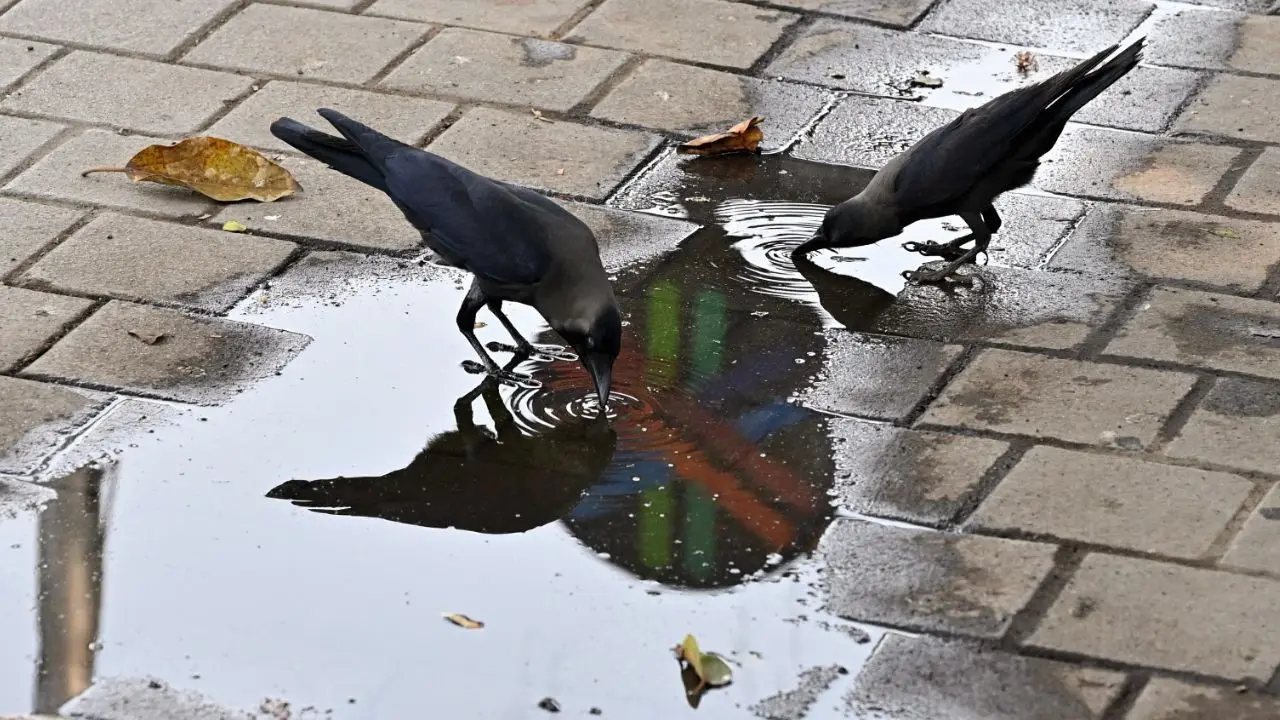
The IMD said the maximum temperature in Mumbai is likely to reach around 38 degrees Celsius. Representational Pic/File
The India Meteorological Department (IMD) has forecast clear skies and heatwave alert for Mumbai, Thane, Palghar and several other districts of Maharashtra, with temperatures expected to remain high over the next few days.
According to the weather department, the city and its suburbs are likely to experience mainly clear skies.
The IMD said the maximum temperature in Mumbai is likely to reach around 38 degrees Celsius, while the minimum temperature may remain near 24 degrees Celsius on Tuesday.
Weather department also indicated that heatwave conditions could occur in isolated pockets of the suburban areas, particularly during the afternoon hours.
The IMD issued a yellow alert for parts of Maharashtra including Mumbai, Thane and Palghar, predicting heatwave conditions at isolated places.
It said, "Heatwave to severe heatwave conditions in isolated pockets."
Apart from the Mumbai and its adjoining areas, similar alert have been issued for several districts across Maharashtra. These include Raigad, Ratnagiri, Dhule, Nandurbar, Jalgaon, Nashik, Chhatrapati Sambhajinagar and Jalna.
A heatwave alert was issued for Akola, Amravati and Wardha districts in Maharashtra.
The India Meteorological Department's Regional Meteorological Centre in Nagpur had on Monday reported dry weather conditions across the Vidarbha region.
According to the weather bulletin, maximum temperatures remained appreciably above normal, while minimum temperatures stayed near normal levels across the region.
The highest maximum temperature of 40.9 degrees Celsius was recorded in Akola, making it the hottest district in Vidarbha. Meanwhile, the lowest minimum temperature of 17.6 degrees Celsius was recorded in Washim.
The weather department stated that one or two place in Vidarbha were likely to witness heatwave on March 9, 10 and 11.
The forecast suggests that both the city and suburban regions will continue to experience clear weather conditions, with little cloud cover expected.
The weather office noted that the combination of clear skies and dry conditions may lead to a noticeable rise in heat levels across the region.
According to the IMD, some areas may experience very high daytime temperatures.
According to the Central Pollution Control Board's (CPCB) Sameer app, Mumbai's Air Quality Index (AQI) was on Tuesday morning recorded 'Moderate' at 09:05 am and stood at 108.
A health impact message stated, "Breathing discomfort to people with lung disorders, asthma and heart diseases."
AQI recorded in parts of the city
Bandra Kurla Complex: 135 (Moderate)
Borivali East: 107 (Moderate)
Mazgaon: 130 (Moderate)
Malad West: 139 (Moderate)
Chembur: 104 (Moderate)
Colaba: 138 (Moderate)
Shivaji Nagar: 96 (Satisfactory)
Meanwhile, the air quality was recorded as 'Moderate' in Thane which reported an AQI at 112 on Tuesday morning.
In Kalyan AQI was recorded at 103, and in Navi Mumbai at 138 both were in 'Moderate' categories.
The IMD has suggested the following precautionary measures to avoid heat stroke during the hot weather conditions-
Expected Impacts -
- Vulnerable citizens may take necessary precautions.
- It is advised to take precautionary measures for hot weather while going outside during peak hours of the day.
- Heat cramps, heat rash likely during peak hours of the day.
Action Suggested-
- Avoid prolonged heat exposure.
- Stay hydrated. Drink sufficient water even if not feeling thirsty to avoid dehydration.
- Wear light weight, light colored, loose, cotton clothes.
- Cover your head: use a wet cloth, hat or umbrella while going out during peak hours.
- Caution workers to avoid direct sunlight during the peak hours.
- Schedule strenuous jobs to cooler times of the day.
- Increasing the frequency and length of rest breaks for outdoor activities.
- Recognise the signs of heat stroke, heat rash or heat cramps such as weakness, dizziness, headache, nausea, sweating and seizures. If you feel faint or ill, see a doctor/ hospital immediately.
- Farmers are advised to continue irrigation activities.

