shot-button
E-paper E-paper
Home > Business News > Business News > Article > RBI Monetary Policy Committee keeps Repo Rate unchanged at 55 per cent

RBI Monetary Policy Committee keeps Repo Rate unchanged at 5.5 per cent

Updated on: 06 August,2025 11:17 AM IST  |  Mumbai
mid-day online correspondent |

The Reserve Bank of India has kept the repo rate unchanged at 5.5 per cent in its third bi-monthly policy review, citing global tariff uncertainties. With inflation dropping to 2.1% in June and real estate sales plunging, the RBI maintained a neutral stance while projecting 6.5 per cent growth for FY26.

RBI Monetary Policy Committee keeps Repo Rate unchanged at 5.5 per cent

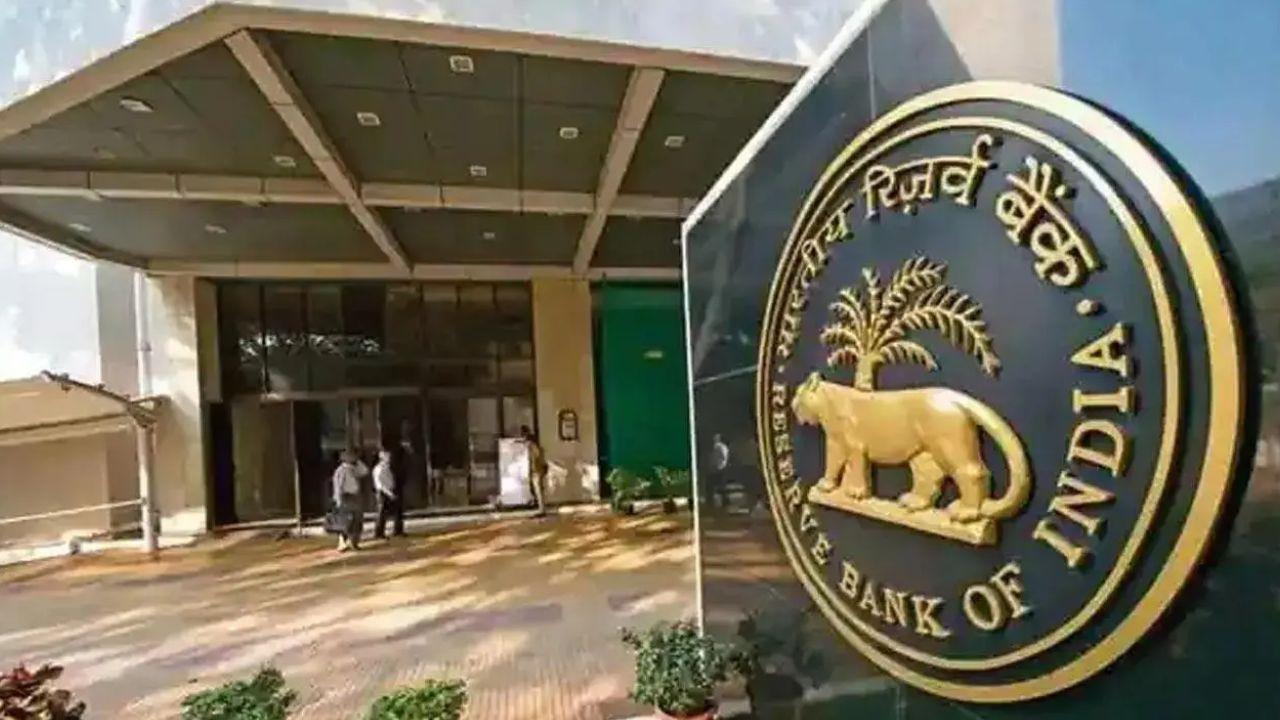
Representational Image. File Pic

Listen to this article
RBI Monetary Policy Committee keeps Repo Rate unchanged at 5.5 per cent
x
00:00

Amid the ongoing global trade wars and unfavourable tariff scenario between India and the United States of America, the Reserve Bank of India, after three successive interest cuts, decided to keep the policy rate unchanged at 5.5 per cent on Wednesday. Along with keeping the repo rate stable, the RBI has also retained the neutral stance, weighed by concerns over tariff uncertainties.

As reported by PTI, the central banking organisation announced the third bi-monthly monetary policy of the current fiscal year. Also, the RBI Governor Sanjay Malhotra said that the growth rate projection for FY26 has been retained at 6.5 per cent.


The RBI Governor, after the announcement of unchanged interest rates, stated that the Monetary Policy Committee (MPC) unanimously decided to keep the short-term lending rate, or repo rate, unchanged at 5.5 per cent with a neutral stance.


Moreover, with regard to the inflation forecast for the coming year, the governor lowered the projection to 3.1 per cent from the earlier estimate of 3.7 per cent for the current financial year.

However, since February 2025, the RBI has reduced the policy rate by 100 basis points. In its previous policy review in June. The Reserve Bank of India had also trimmed the repo rate by 50 basis points to 5.5 per cent.

The government has assigned the central bank the responsibility of maintaining a consumer price index (CPI)-based retail inflation rate of 4%, with a margin of 2% on either side.

As per the news agency PTI, the RBI reduced the repo rate by 25 basis points each and by 50 basis points in June in response to the MPC's recommendation due to a decrease in retail inflation in February and April. 

However, since February 2025, the retail inflation rate has been below 4%. While the retail inflation has decreased to a six-year low of 2.1% in the month of June. The decline was facilitated by a decrease in food prices and a favourable base effect.

In June, food inflation decreased from 0.99 per cent in May to (-)1.06 per cent, which is nearly half of the Consumer Price Index (CPI) aggregate. Lower prices in critical categories, including cereals, sugar, milk, meat and fish, vegetables, pulses, and seasonings, were the primary factors contributing to the decline.

While addressing the unchanged repo rate by the Reserve Bank of India, Chairman of ANAROCK Group Anuj Puri highlighted that “Indian real estate weathers unrelenting turbulence as the sentiment is pressured by Trump’s new 25% tariffs and a notable 20% plunge in housing sales across top metros, as per the latest ANAROCK data.”


The ANAROCK chairman further stated that, “In Q2 2025 alone, just 96,285 homes were sold, a steep fall from 120,335 a year ago, indicating increasing buyer hesitancy and market uncertainty. Amid these headwinds, the central bank’s policy choices come with high relevance to initiate a turnaround and arrest further market deterioration.”

Highlighting the impact of tariff uncertainties, Anuj Puri also asserted that “The RBI has decided to keep the repo rates unchanged at 5.5%, also taking cognisance of the ongoing tariff uncertainties and the possible impact on the Indian economy. A rate cut leading to a lower interest rate environment would have particularly boosted the affordable housing segment, which has been under considerable pressure in recent years.”

Putting light on Anuj Puri’s statement, the data from ANAROCK shows that average residential prices across the top 7 cities combined have increased by 39% in the last two years alone – from INR 6,470 per sq. ft. as of Q2 2023 to INR 8,990 per sq. ft. as of Q2 2025.

Considering that the affordable housing segment’s fate may be further dampened by the ongoing global trade tensions and tariffs imposed by the Trump administration. That is, however, largely because of its impact on the MSMEs, which are the key target audience of the affordable segment.

That said, overall, homebuyers are currently driven by long-term confidence rather than short-term rate fluctuations. 

(With inputs from PTI)

"Exciting news! Mid-day is now on WhatsApp Channels Subscribe today by clicking the link and stay updated with the latest news!" Click here!

Did you find this article helpful?

Yes
No

Help us improve further by providing more detailed feedback and stand a chance to win a 3-month e-paper subscription! Click Here

Note: Winners will be selected via a lucky draw.

Help us improve further by providing more detailed feedback and stand a chance to win a 3-month e-paper subscription! Click Here

Note: Winners will be selected via a lucky draw.

reserve bank of india business Bank India news national news

Mid-Day Web Stories

Mid-Day Web Stories

This website uses cookie or similar technologies, to enhance your browsing experience and provide personalised recommendations. By continuing to use our website, you agree to our Privacy Policy and Cookie Policy. OK