This sharp rise is being fuelled by a cocktail of forces: a post-pandemic return to physical offices, limited supply of new Grade A spaces, rising demand for ESG-compliant workspaces, and major Metro rail expansions that have redefined corporate connectivity

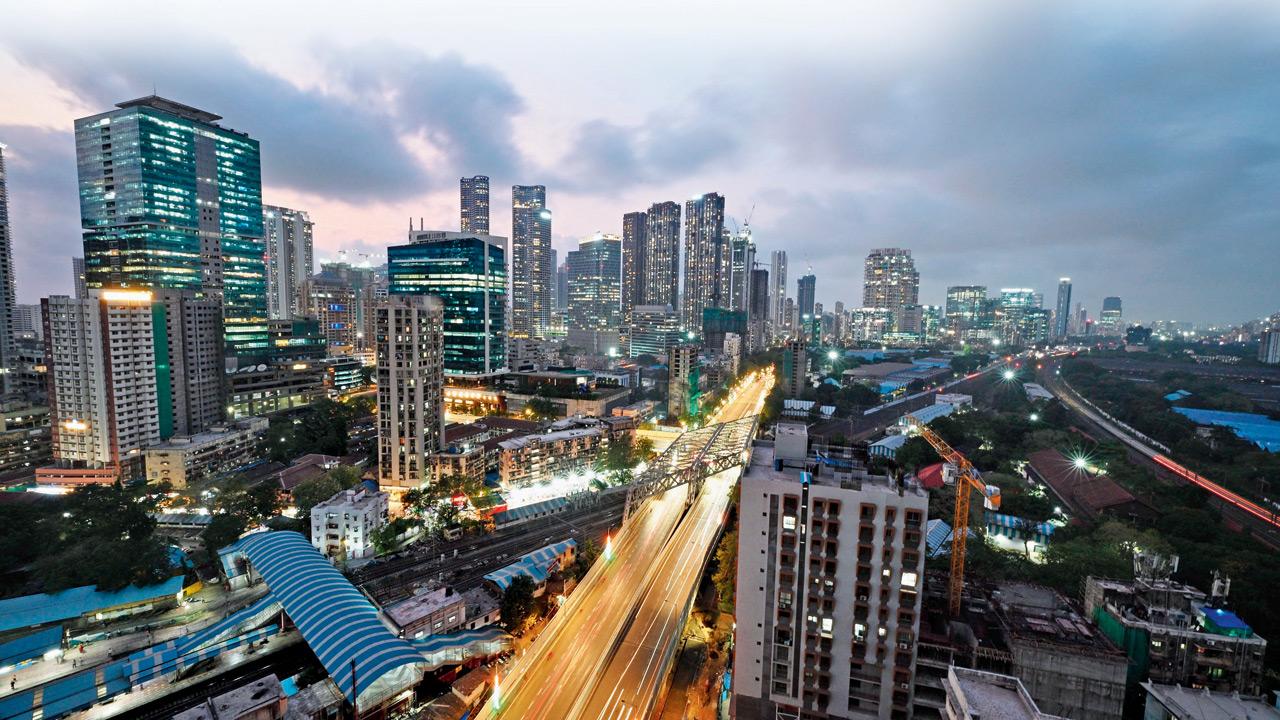
A wide view of commercial office space in Lower Parel. Pic/Rane Ashish
Mumbai’s commercial real estate is riding a high like never before. The city has officially become the most expensive office market in India, with rentals in the Mumbai Metropolitan Region (MMR) surging by 28 per cent between 2022 and 2025 — from Rs 131 to Rs 168 per sq ft — according to a new report by Anarock Research.
This sharp rise is being fuelled by a cocktail of forces: a post-pandemic return to physical offices, limited supply of new Grade A spaces, rising demand for ESG-compliant workspaces, and major Metro rail expansions that have redefined corporate connectivity.
From BKC to Goregaon and Lower Parel to Andheri, the city’s skyline is seeing not just taller buildings but steeper rents, reshaping how India Inc. works, spends, and grows in the country’s financial capital.
Why are prices rising?
With demand far outpacing supply, companies are being forced to rework budgets and rethink locations. According to JLL, Mumbai added just 0.1 million sq ft of new office space in the first half of 2025. That follows limited growth in previous years: 0.88 million (2020), 1.69 million (2021), 2.07 million (2022), 2.51 million (2023), and 4.37 million in 2024.

“The hybrid-to-office shift drove demand for modern, ESG-compliant Grade A offices. Companies like Brookfield, Blackstone, Deloitte, and Amazon took up large spaces in BKC and Goregaon, setting new benchmarks,” said Gorakh Jhunjhunwala, managing director, Meraqi Advisors.
Areas like Andheri, Goregaon, and Lower Parel have also gained traction among cost-conscious companies due to lower rentals and proximity to the airport, said Peush Jain, MD, Commercial Leasing and Advisory, Anarock Group.
Shift to flexible workspaces
Landlords have been upgrading commercial properties to cater to the growing demand for flexible workspaces. “Upgrades like new lobbies, more meeting rooms, high-speed internet, and enhanced security have pushed rentals higher,” said Jain. He added that 54 per cent of MMR’s 142 million sq ft Grade A office stock is over 10 years old, and if upgraded, can command 15 to 20 per cent higher rents. Most of this activity is seen in Andheri and Lower Parel, among others.
Coworking: new pricing force
Flexible workspaces have had a two-fold impact on commercial rent dynamics from 2020 to 2025, according to Jhunjhunwala:
In non-core markets (like Goregaon and Andheri), WeWork and Awfis drove 15to 30 per cent of leasing in some parks.

Peush Jain, MD, commercial leasing and advisory, Anarock Group
In core markets (BKC and Nariman Point), demand pushed rentals to Rs 350 to Rs 500 per square foot.
Lower Parel saw coworking spaces absorb older buildings, aiding startups and boosting enterprise upgrades.
Landlords mixing 10 to 20 per cent coworking into their spaces earned 15 to 20 per cent higher rents, especially in BKC and Andheri.
Grade B assets lost out, as tenants moved to flexible spaces, widening the rent gap.
Metro: The rent accelerator
“Parel saw an eight per cent year-on-year rental increase due to the Coastal Road and Aqua Line completion. Goregaon recorded a nine per cent increase post Metro Lines 2A and 7,” said Samantak Das, chief economist, JLL India.

Gorakh Jhunjhunwala, MD, Meraqi Advisors
Jhunjhunwala cited two specific examples:
1. Goregaon: Metro Yellow Line 2A and Red Line 7
After their launch in 2023, Goregaon East became more accessible. Big companies like Morgan Stanley, Deloitte, and IDFC signed major leases. As demand surged, Grade A rents jumped 20–25 per cent, from Rs 120–150/sq ft in 2020 to Rs 160–200 by early 2025.
2. BKC: Metro Aqua Line 3 (Colaba-BKC-SEEPZ)
Even partial completion (the BKC-Worli phase) in mid-2024 boosted confidence. Rents increased from Rs 250-Rs 300 to Rs 320-Rs 350/sq ft — a 22–25 per cent rise.

What developers are saying
“Office spaces have evolved to include diverse workstations, fewer cabins, and common areas to encourage collaboration,” said Ashish Narain Agarwal, CEO, PropertyPistol.
However, rising rentals come with challenges. “High rents are pricing out start-ups and mid-sized businesses, leading to unsold inventory in some big projects,” he added.
Amit Goenka, chairman and MD, Nisus Finance, said developers are also battling rising construction costs, labour shortages, ESG compliance burdens, and regulatory bottlenecks in premium locations like BKC and Lower Parel. A supply pipeline is expected between 2027-28, but developers must focus on smart layouts and sustainability to retain tenants.
Jash Choraria, VP, Crest Ventures, said that rising material and labour costs are impacting project viability but can be managed in the long term with quality developments.

Subscribe today by clicking the link and stay updated with the latest news!" Click here!