
For many on the neurodivergence spectrum, Ramadan is more than a spiritual journey; it is a significant neurological shift. When a brain thrives on predictability and specific sensory inputs, the sudden change in sleep cycles, hydration, and social stimulation can trigger a cascade of executive dysfunction. Instead of the standard advice to just be patient, neurology experts Dr Prashant Makhija, consultant neurologist, Wockhardt Hospitals in Mumbai Central and Dr Anuradha H K, lead consultant, neurology, Aster CMI Hospital, Bengaluru, to provide a brain-first guide to navigating the holy month with science-backed hacks. Conquering Suhoor and sleep inertia Waking up in the predawn hours often triggers sleep inertia, a heavy, disoriented feeling where the brain feels unresponsive. For neurodivergent individuals, this state can lead to task paralysis, where the simple act of choosing what to eat feels like a monumental cognitive burden, according to Dr Prashant. "Waking in the middle of the night interrupts the natural sleep cycle, particularly the deeper stages. This leads to a brain that feels slow and foggy. The goal is to avoid fully activating the brain's 'daytime mode’. Keeping lighting dim and avoiding bright screens helps the body remain in a semi-rest state," he explains. Protecting your executive battery An executive-function-first approach to meal prepping during fasting focuses on reducing thinking and making routines automatic, so you do not feel overwhelmed. Dr Prashant shares tips to leverage your executive function without feeling depleted:1. The zero-decision prep: Prepare your meal the night before. If you have to chop, cook, or even choose a recipe at 4 am, you are depleting your limited executive battery before the day has even begun. The goal is to move from deciding to doing with zero friction. 2. Automate choices: Start by planning a fixed weekly menu with 2 to 3 simple meal options for Suhoor and Iftar. Prepare ingredients in advance like chopped vegetables cooked grains, and protein portions, use labelled containers so you can quickly pick what you need without deciding again. 3. The station setup: Place your plate, cutlery, and water bottle on the counter the night before. This creates a visual pathway that guides you through the routine without a mental to-do list. 4. The sleep-back menu: Opt for a light, balanced meal with complex carbohydrates and protein. Include eggs, Greek yogurt, or nut butters to stabilise neurotransmitters and prevent mid-morning brain fog. 5. The anti-stimulation rule: Avoid heavy, sugary foods that cause a glucose spike, these can trigger overstimulation, restlessness and thirst and make it harder for the brain to resume sleep once the meal is done. The dopamine deficit: Managing the mid-day crash For those with ADHD, dopamine regulation is a daily hurdle. Fasting for over 14 hours can cause blood sugar to dip, which in turn affects neurotransmitter levels responsible for focus and emotional regulation, notes Dr Anuradha. “For individuals with ADHD, a 14-hour fast can exacerbate existing struggles with dopamine. By mid-day, they may feel more distracted, low on energy, or emotionally sensitive. While some may experience a brief window of fasted alertness, the overall effect is a reduction in cognitive endurance," she elaborates. Low-stimulation dopamine boosters To avoid a mid-day crash without overstimulating the nervous system (which can lead to a later "shutdown"), she recommends trying these gentle micro-wins: The 5-minute sun reset: Stepping into natural sunlight for a few minutes helps regulate circadian rhythms and provides a gentle, non-digital mood boost. If natural light becomes too intense as the sun peaks, use polarized sunglasses indoors or pull the blinds to reduce visual noise. Temperature regulation: Keep a cooling mist or a damp cloth nearby. Overheating often triggers sensory meltdowns when you’re dehydrated. Tactile anchor tasks: Complete one tiny, physical task—like watering a plant or organising five items—to provide a sense of progress and a small hit of dopamine. Sensory quietude: Instead of scrolling on a phone (which drains dopamine stores through high-frequency stimulation), try deep breathing or listening to calm, wordless music to reset the brain’s noise filter. Hydration as a sensory filter Dehydration doesn't just cause thirst; it puts strain on the brain's ability to filter out background noise or harsh lights. This makes sensory overload—where sounds feel louder and lights feel sharper—much more likely as the fasting hours progress. "The brain is highly sensitive to fluid levels. Even mild dehydration can lead to headaches, irritability, and increased sensory sensitivity. When fluid intake is restricted, it becomes vital to replenish gradually rather than chugging large volumes at once, which the body cannot process efficiently," says Dr Prashant. The hydration strategy The expert lists two actionable tips that can be easily implemented: The slow sip method: Keep a water bottle by your side from Iftar until you sleep. Aim for small, consistent sips to allow for better cellular absorption. Electrolyte buffers: Incorporate hydrating foods like fruits, vegetables, and soups. Traditional drinks like buttermilk or coconut water are excellent because they restore fluid balance without the sugar crash associated with processed juices. Building external scaffolding When internal routines break down, neurodivergent individuals need ‘external scaffolding’—physical cues in the environment that do the cognitive heavy lifting for you. Dr Anuradha suggests moving beyond phone alarms—which can cause alarm fatigue—toward tactile and visual cues that ground the individual in their routine:1. The visual anchor: Place a colour-coded chart in a high-traffic area (like the kitchen or hallway) showing the day’s flow: Prayer, meal, hydration, and rest. Pictures or icons reduce the reading strain on a tired brain.2. The tactile tracker: Use a physical habit tracker or checklist. The physical act of ticking a box or moving a magnet provides sensory feedback and a sense of completion that digital notifications lack.3. Environmental priming: Lay out your prayer mat, water bottle, and dates in the exact same spot every evening. Let the physical environment tell you what to do next, reducing the need for internal decision-making. The festive sensory safety plan Large Iftar or Eid gatherings are beautiful, but they can be a minefield of loud crosstalk, clinking cutlery, and overwhelming aromas. Without a plan, these can lead to sensory shutdowns or burnout. Dr Anuradha lays out a tactical plan to aid neurodivergent individuals in navigating this festive yet sensory stimulating period: Pre-event priming: Eat a safe-texture snack (like a date) the moment the fast breaks. This stabilises blood sugar and reduces the hunger stress that makes sensory input feel more aggressive. The sensory toolkit: Carry discreet earplugs to lower decibels without blocking conversation. Keep a calming fidget object in your pocket to stay grounded. Seating for success: Choose a seat at the end of the table or near an exit. Avoiding being boxed in reduces anxiety and allows for a quiet, frictionless exit if the environment becomes too intense. The 5-minute reset: Give yourself permission to take sensory breaks every hour. Stepping into a dim, quiet space or outside for slow breathing resets your internal noise filter. Exit without guilt: Set a clear time limit and communicate needs to a trusted person. Recognising your brain’s limit is an act of spiritual self-care that prevents long-term exhaustion. A final note on spiritual guilt If you find yourself struggling to focus during long night prayers or feeling unproductive during the day, remember that this is a biological reality, not a lack of devotion or discipline. "This is a normal biological response. Recognising these limitations—and adjusting expectations to focus on quality of attention rather than duration—helps people manage their energy more effectively," reminds Dr Prashant. By centring your executive function and sensory needs, you aren't just getting through the month—you are creating a version of Ramadan that honours both your faith and your unique neurological makeup.
19 March,2026 02:04 PM IST | Mumbai | Maitrai AgarwalBehavioural issues, once largely associated with adults, are now increasingly being seen in children. There is a worrying surge in problems such as aggression, violent behaviour, irritability, poor attention span, emotional outbursts, and social withdrawal among children. Excessive screen time, early exposure to mobile phones, and a lack of physical and creative activities are the driving factors in children. Experts say parents ignoring early signs can impact a child’s emotional development, academic performance, and long-term mental health, making timely attention more important than ever. It is also why they say parents should stay vigilant and consult the expert without any delay, and seek timely help. From a clinical perspective, excessive screen use directly affects the developing brain. Children’s brains are highly sensitive to stimulation, and fast-paced digital content continuously activates the brain’s reward system. This leads to increased dopamine release, making children crave constant stimulation. In a month, Pune doctors say they are seeing eight to 10 children aged four to 14 years presenting with behavioural concerns such as aggression, frustration, depression, frequent temper tantrums, restlessness, impatience, difficulty concentrating, sleep disturbances, and poor social interaction. Moreover, excessive screen exposure overstimulates the brain and reduces a child’s ability to self-regulate emotions. Too much screen time can limit opportunities for face-to-face interactions and impact language development in young children. "Children may miss out on critical language acquisition experiences during screen use. They can be vulnerable to online threats, including cyberbullying and inappropriate content. This can have a serious impact on a child's self-esteem and overall well-being. If these issues are not addressed early, they can progress into anxiety disorders, low self-esteem, and strained family relationships. Behavioural problems can also affect a child’s performance at school and their ability to form healthy friendships,” said Dr Tushar Parikh, who is the the senior consultant neonatologist and head of department at Motherhood Hospital, Kharadi in Pune. Dr Jeetendra Gandhi, who is the consultant pediatrician and neonatologist at Apollo Spectra Hospital in Pune added, “Children with prolonged screen exposure often present with different warning signs such as social withdrawal, excessive dependence on devices, declining academic performance, reduced verbal communication, and avoidance of family interaction. Monthly, we see around four to five children belonging to the age group of four–14 years brought in with concerns like low motivation, poor impulse control, clinginess, headaches related to screen overuse, and resistance when devices are taken away. Many also show reduced creativity and limited engagement in imaginative play. When digital time replaces real-life experiences, children lose valuable opportunities to build patience, teamwork, and emotional understanding. Parents should introduce consistent screen boundaries and promote meaningful family engagement to support balanced growth." Dr. Parikh further explained, “The good news is that early intervention works very well. Reducing screen time, setting clear routines, encouraging outdoor play, sports, reading, and creative activities can significantly improve behaviour. Parents should spend quality time talking and listening to their children, as emotional connection plays a key role in healthy development. In some cases, counselling or behavioural therapy may be required, especially when symptoms persist or worsen. Parents should notice behavioural changes in children as early warning signs rather than phases to be ignored. With balanced screen use that is allowing the child to use electronic devices for a maximum of two hours a day, active lifestyles which involve daily exercise for 45 minutes, emotional support, encouraging the child to communicate openly, and timely professional guidance, these behavioural issues can be effectively managed. Parents should regulate the screen time in children on an immediate basis and encourage them to watch educational content instead of scrolling through mindless reels. Make bedrooms a no-screen zone. The child shouldn’t use a mobile while eating, and spend some quality time with the child. Educate your child regarding online safety, from the dangers of scammers, hackers, and cyberbullies to avoiding the emotional and psychological impact of inappropriate or violent content. Early care not only helps children develop healthier habits but also supports their emotional well-being, confidence, and future growth.
19 March,2026 10:39 AM IST | Pune | mid-day online correspondentImmune cells within a brain tumour could be taking control of sugar metabolism, breaking down fructose to suppress immune responses and promote tumour growth, a study has found. Published in the journal Proceedings of the National Academy of Sciences, the study is the first to identify a sugar metabolism driving immune suppression in glioblastoma, an aggressive, rapidly growing malignant tumour in the brain, researchers said. They suggested blocking how fructose gets broken down in specialised immune cells may improve a patient's response to immunotherapy and outcomes. "Across several mouse models, when we removed the fructose transporter, the tumours simply didn't grow," senior author Jason Miska, assistant professor of neurological surgery at Northwestern University's school of medicine, said. Glioblastoma is among the most treatment-resistant brain tumours, partly because of its tumour microenvironment or the mix of cells surrounding the tumour -- including microglia. Microglia are immune cells that surround and support neurons (nerve cells) in the central nervous system. Crucial for the early stages of tumour growth, microglia also express a unique fructose transporter, 'GLUT5', enabling them to transport and metabolise the sugar molecule. Varied analytical techniques, including genetic sequencing methods, were used to study microglia, macrophages -- which are immune cells that can enter tumours from the bloodstream -- and tumour cells. The analysis confirmed that microglia uniquely express GLUT5 and showed microglia to be the only immune cells in the glioblastoma microenvironment capable of breaking down fructose. "We knew microglia use this fructose transporter as part of their normal biology, but we did not expect it to be this important for brain tumour growth," Miska said. In mice, genetically engineered without the GLUT5 transporter, tumours were seen to produce a much stronger immune response, including a better recognition of tumour cells, an increased production of cytokines driving inflammation and a rapid multiplication of CD8+ T-cells, the immune system's main cancer-killing cells. "This not only makes the microglia themselves more inflammatory, but it also causes those T-cells and B-cells that are in the tumour to be more activated and create more inflammatory molecules that we have shown are required for rejection of brain tumours," first author Leah Billingham, a postdoctoral fellow in Miska's lab, said. "This isn't just solely the microglia doing something; this is an intricate interaction between the different parts of the immune system and how they are then impacting tumour rejection," Billingham said. Microglial fructose metabolism is a key regulator of immune suppression in glioblastoma and may be a promising therapeutic target to improve immunotherapy response in patients, the researchers suggested. The authors "demonstrate that microglia uniquely express the fructose transporter GLUT5 and are the only immune cells in the GBM (glioblastoma) microenvironment capable of metabolising fructose." They show that a "global deletion of GLUT5 confers profound resistance to tumour growth. This effect is driven by loss of fructose metabolism in microglia and occurs independently of contributions from peripheral immune compartments." This story has been sourced from a third party syndicated feed, agencies. Mid-day accepts no responsibility or liability for its dependability, trustworthiness, reliability and data of the text. Mid-day management/mid-day.com reserves the sole right to alter, delete or remove (without notice) the content in its absolute discretion for any reason whatsoever.
18 March,2026 03:23 PM IST | New Delhi | PTIA comprehensive study has identified a direct correlation between rising atmospheric toxicity and male infertility, revealing that men living in highly polluted regions (AQI >151) experience an 11 per cent decrease in normal sperm integrity compared to those in cleaner environments. The research by Indira IVF, titled “Evaluating the impact of environmental pollution on sperm DNA Fragmentation: A retrospective cohort analysis”, highlights that as the Air Quality Index (AQI) escalates in industrialised cities, there is a corresponding "boom" in male infertility. The study introduces the concept of “pollution bias”, highlighting that worsening air quality is linked to higher levels of abnormal sperm and a steady decline in normal sperm counts. To ensure high diagnostic standards, the study followed World Health Organization (WHO) recommendations. The analysis showed that in areas with lower pollution (AQI 50–100), 69.3 per cent of sperm samples were normal, while 30.7 per cent were abnormal. As air pollution increased, normal sperm levels fell. In moderately polluted regions (AQI 101–150), there was an 8.8 per cent drop in normal sperm compared to cleaner areas. The decline was greater in highly polluted zones (AQI above 151), where normal sperm levels decreased by 11 per cent. Overall, the data shows a clear link between worsening air quality and declining sperm DNA health, particularly in regions with moderate to high pollution levels. Commenting on the research, Dr Kshitiz Murdia, CEO and whole-time director, Indira IVF Hospital Limited, said, “The implications of these findings extend beyond challenges related to conception. Prolonged exposure to environmental toxins can affect sperm DNA integrity, which may also have a bearing on foetal development, placing air pollution within a wider reproductive and developmental health context. In this study, patients were categorised based on sperm DNA fragmentation scores, with normal defined as less than 25 per cent fragmentation and abnormal as greater than 25 per cent, allowing us to closely assess how varying air quality levels impact sperm chromosome integrity. Our observations suggest that rising air pollution levels can serve as a reliable indicator for disturbed sperm DNA fragmentation, significantly impacting Sperm DNA integrity, particularly in high-pollution urban centres.” Dr Vipin Chandra, Chief of Clinical and Lab Operations, with the hospital, further explained, “We analysed a statistically significant cohort of 3,222 men aged 21 to 40 across 120 of our centres nationwide. Rather than focusing on conventional semen parameters such as sperm count or motility, the study specifically examined sperm DNA integrity. This enabled a more precise assessment of how exposure to air pollution directly impacts the genetic structure of sperm, offering deeper insight into an often-overlooked contributor to male infertility.” By linking rising AQI levels with measurable DNA fragmentation, the findings identify air pollution as a key contributor to impaired sperm DNA health. The researchers further note that the increasing burden of male infertility observed in recent years aligns closely with prolonged exposure to poor air quality.
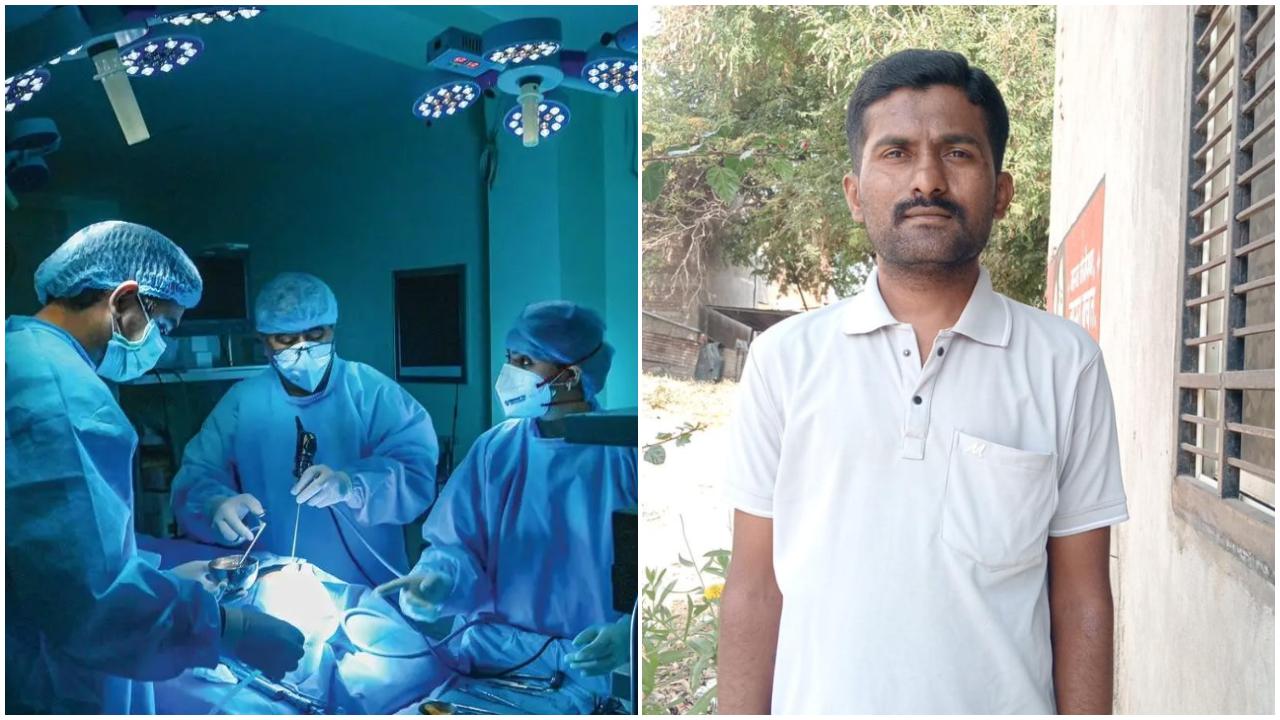
18 March,2026 02:32 PM IST | Mumbai | mid-day online correspondentMumbai doctors have successfully given renewed hope to Rajiv Varwade, who was rendered quadriplegic after a devastating neck injury causing severe spinal cord compression, to stand and walk again. In the face of a grave prognosis and a prolonged lack of medical treatment, he underwent a complex, high-risk cervical spine surgery that has been miraculous for him. Varwade sustained a life-threatening injury while returning home from work when an object suddenly came in his path, causing him to fall from his motorcycle. The impact resulted in a fracture of the cervical spine with severe compression of the spinal cord, leaving him paralysed below the shoulders. Injuries of this magnitude are associated with extremely high mortality and profound, often permanent neurological loss (like Christopher Reeve (Superman) suffered. Leading hospitals in his region refused him admission, saying that this is a permanent injury and surgery will not be helpful. To add to the misery, the surgery itself would be life-threatening with possible long-term ventilator dependence. Over the next 15 days, he remained at home without definitive treatment, with worsening condition, unable to move his hands or legs, and facing an increasingly uncertain future and possible death with young children at home. As the family continued to search for options, they connected with Dr. Manish Kothari, Consultant Spine Surgeon, Minimal Invasive Surgery and Spinal Deformity Surgery at Jaslok Hospital and Research Centre, having heard of his experience in handling such complex patients from Beed district. Dr. Kothari initially assessed Varwade over a video consultation. The examination revealed complete paralysis in both upper limbs below the injury and no movement in the lower limbs. However, a faint flicker of movement in the left big toe suggested that the spinal cord injury might not be permanent, offering a small but critical indication that recovery could still be possible. When Varwade was brought to Jaslok Hospital, the delay had added significant complexity to an already critical condition. The surgical intervention carried considerable risk, including the possibility of non-survival or prolonged ventilator dependence. After detailed discussions regarding the risks and realistic outcomes, the family chose to proceed. The surgical team including doctors performed the high-risk cervical spine procedure with the goal of relieving pressure on the spinal cord and stabilising the injured segment. Encouraging neurological signs were observed in the early postoperative period. Within two weeks, Varwade was able to walk with support. At three months, he is walking independently and preparing to rebuild his life. Dr Kothari said, “One of the most difficult aspects of Rajiv’s case was the very real possibility that he could remain ventilator-dependent even if the surgery was technically successful. That risk weighed heavily on every decision in the operating room. Our focus was not just on decompression, but on giving him a chance at breathing and living independently. Seeing him recover without that dependence has been truly remarkable.” Dr Milind Khadke, Chief Medical Officer, Jaslok Hospital and Research Centre, said, “Rajiv’s case reflects the kind of responsibility tertiary centres must be prepared to shoulder. When others are unable to intervene because of the risk involved, it becomes imperative for institutions with the right expertise, infrastructure, and critical care support to step forward.” Rajiv Varwade said, “After the accident, I went from being completely active to lying still, unable to move my hands or legs. The days that followed were filled with uncertainty and fear, especially when we were told how serious the injury was. Coming to the hospital felt like our last hope. The journey since then has not been easy, but the first time I stood up with support was an emotional moment for my family and me. Today, being able to walk again feels like a second chance at life.”
18 March,2026 11:10 AM IST | Mumbai | mid-day online correspondentFor millions of observers worldwide, the post-Iftar slump is as much a part of Ramadan as the fast itself. We’ve all seen it: the heavy lethargy that hits right as the call for Taraweeh prayers begins. Traditional fried favourites like samosas and pakoras are cultural staples, but nutritionally, they are often energy thieves. They provide a momentary burst of satisfaction only to rob the body of the stamina needed. Amid the ongoing month of Ramadan, nutrition experts move beyond the standard ‘don't eat fried food’ lecture that many find impossible to follow. Instead, they offer a high-performance blueprint for Iftar—to aid sustained energy, mental sharpness, and overall wellbeing. Phase 1: Waking up the digestive system During a prolonged fasting period, the human digestive system essentially goes into a state of hibernation. It slows down significantly to conserve energy. “Jumping straight into a large meal is the physiological equivalent of redlining a cold engine in the middle of winter. To avoid the dreaded post-Iftar bloating and lethargy, the system needs to be woken up with precision,” explains Sifa Chisti, clinical dietician at Kokilaben Dhirubhai Ambani, Mumbai.There is a visible shift in modern wellness circles where the act of breaking a fast is being paid much needed attention to. Chisti further adds, “The vagal nerve plays a vital role in this transition. This nerve is the primary driver of the parasympathetic nervous system, regulating the secretion of stomach acid and digestive enzymes. If the Vagal Nerve isn't stimulated before eating, food sits in the stomach, unprocessed, leading to immediate fermentation and gas.” The pre-meal ritual: The 4-7-8 rule Chisti recommends a simple, five-minute diaphragmatic breathing exercise to activate the vagus nerve:1. Inhale through the nose for 4 counts.2. Hold the breath for 7 counts.3. Exhale forcefully through the mouth for 8 counts. Repeating this for four cycles tells the brain that the rest and digest phase has begun. The digestive shot Following the breathwork, the tradition of breaking the fast with dates is clinically sound because they provide instant energy. However, Chisti suggests going a step further by including bitter and acidic triggers. “A digestive shot of warm fresh lime juice or a small bowl of lentil or chicken broth with added lemon and a pinch of ginger powder acts as a chemical signal to the stomach. Foods with high water content and fibre, such as watermelon and cucumber, should also be included early to ease the transition into heavier textures,” she explains. Phase 2: The expert sequencing Breaking a 14-hour fast is a critical hormonal event. After such a long period, your body's glucose absorption capacity is at its peak. Sandipa Sen, senior clinical nutritionist at Manipal Hospital Kanakapura Road, notes, “14 hours of fasting depletes the body's glycogen (stored glucose) stores. Once these are low, the body begins to switch to fat as a fuel source. When you break this state with high-sugar juices or refined carbohydrates, you trigger a massive insulin spike. This insulin rush tells the body to stop burning fat and start storing energy—usually as fat—while simultaneously causing the crash that leads to brain fog.” The rule of order To prevent this, Sen advocates for expert sequencing. “The order in which you consume your food determines the speed of gastric emptying and the subsequent glucose rise,” she explains. First: Salad or sauteed vegetables should be the very first thing that enters the stomach after the initial date. Fibre creates a physical mesh in the intestine that slows down the absorption of everything that follows.Second: Protein and fats must follow fibre. Nuts, seeds, eggs, or chicken require more effort to break down and keep you feeling full longer. Third: Only after the fibre and protein have been consumed should you move to complex carbohydrates like rice, roti, or millets. Phase 3: Cellular hydration versus bloating One of the most common mistakes made at Maghrib is guzzling litres of plain water. This doesn't actually hydrate the body; it simply dilutes stomach acid and leads to bloating. Sen notes that during the month of March, rising temperatures lead to increased sweating and perspiration, causing an electrolyte imbalance that plain water cannot fix. To achieve hydration at a cellular level, we must look to electrolyte-rich traditional ingredients. Sabja and chia seeds: These seeds are hydrophilic, meaning they help the body retain moisture. The detox water blueprint: Make a home-made detox water by soaking chia seeds, cucumber slices, lemon, and ginger. Breaking the fast with this water helps cool down the body, flush out toxins, and provides essential micronutrients. Traditional alternatives: Coconut water, buttermilk, fennel seed water (saunf), and cumin seed water are far superior to plain water for re-balancing the body's internal minerals. Phase 4: Muscle recovery and the protein target “Extended fasting poses a risk of muscle loss if protein intake is neglected during the non-fasting hours. The body needs easily digestible, high-quality protein to support recovery,” Sen points out. She identifies three top sources that provide essential amino acids without making the observer feel overly heavy: Eggs: Eggs are an ideal source of protein containing all essential amino acids. They are incredibly easy for the stomach to process after a fast.Greek yogurt: This is a double-win, providing high protein and probiotics that support gut health and hydration.Lean fish or skinless chicken: These provide the building blocks for muscle repair and vitamin B, which supports metabolism. The vegetarian strategy For vegetarians, hitting protein targets can be challenging without feeling stuffed. Sen suggests focusing on paneer, tofu, and sprouts. A specific recommendation is moong dal soup or khichdi, which acts as a gentle, easily digestible plant protein that won't cause the heaviness associated with denser legumes. Phase 5: Re-engineering the staples The ‘don't eat fried food’ advice rarely sticks because Iftar is a celebration of culture. Clinical nutrition principles allow us to re-engineer these beloved snacks into high-performance fuel. Instead of deep-frying, Sen suggests the following upgrades:The cooking method: Air-frying or baking reduces oil by 70 to 80 per cent while maintaining the crisp texture that we crave. If you must fry, use stable oils like groundnut or mustard oil and avoid reheating the oil, which creates oxidative compounds and trans fats.The batter: Replace refined flour (maida) with nutrient-dense besan (chickpea flour). Mixing it with oats powder or millet flour ensures a slower glucose release and longer satiety.The fermentation trick: Slightly fermenting the batter (similar to sourdough principles) improves digestibility and gut health.The filling: Move away from potato-only fillings in samosas. Combine paneer, tofu, minced chicken, or lentils to create a protein-rich interior that prevents blood sugar spikes. The high-performance Iftar pakoraBase: besan + oat flour batter.Veggie mix: spinach, onion, and carrot.Method: air-fried with a light olive oil spray.Served with mint chutney (mint, coriander, lemon) and a buttermilk dip. Phase 6: Curing the brain fog The mental lethargy or brain fog experienced after Iftar is often a clinical sign of micronutrient depletion. Chisti points out that vitamin B complex, vitamin C, magnesium, zinc, and iron are crucial for brain health and are often depleted during a long fast. To maintain mental sharpness for the evening’s activities, Iftar should include foods that replenish these specific minerals. Power foods: Dates and figs for iron; berries and citrus for vitamin C, bananas and nuts for magnesium.Hydration boosters: Lemon water and soups help the body transport these nutrients to the brain more effectively. Phase 7: The probiotic jumpstart Finally, Chisti recommends modern probiotic additions to ensure the digestive system doesn't remain sluggish. “Probiotics maintain the balance of good bacteria in the intestine, improving bowel health and energy absorption. Include kefir, buttermilk, or overnight soaked rice (a traditional powerhouse of gut-friendly bacteria) to ensure that the transition from fasting to eating is as smooth as possible,” she shares. An expert guide to nutritious Iftar Based on inputs of nutrition experts, here is the summary of an easy yet effective diet flow: Step 1: The pre-Iftar wake upBreathing: Perform 4 cycles of 4-7-8 breathing to activate the vagus nerve.Digestive shot: Warm lime water or a small cup of clear soup (chicken/lentil) with ginger.Water ritual: Avoid fruit juices and carbonated drinks. Stick to water with a pinch of pink salt or lemon. Step 2: The first bite Fibre: Salad, sautéed vegetables, or fresh cucumber and watermelon.Protein and fats: Eggs (omelettes/rolls), Greek yogurt, chicken salad, or a handful of nuts.Complex carbs: Only now move to your main meal: rice, roti, or millet porridge. Step 3: Cellular hydrationThe mix: Add sabja or chia seeds to your water to retain moisture.The detox: Use cucumber and ginger infused water to cool the body and support micro-nutrient absorption. Step 4: Smart snackingCoating: Use besan and oat flour instead of maida.Cooking: Air-fry or bake to reduce saturated fat.Fillings: Prioritise paneer, tofu, or lentils over potatoes. Step 5: Mental and muscle recovery Muscle: Ensure at least one high-quality protein source, either egg, chicken, and Greek yoghurt.Brain: A small serving of berries, figs, or nuts to replenish B-vitamins and magnesium.Gut: Finish with a serving of buttermilk or curd to support digestion until suhoor.
15 March,2026 01:41 PM IST | Mumbai | Maitrai AgarwalTalegaon: A 59-year-old hypertensive woman from Pune has regained normal breathing after battling a rare tracheal tumour. Struggling with progressive shortness of breath and stridor (noisy breathing), she received timely care at TGH Onco Life Cancer Centre, Talegaon Dabhade. Under the expertise of Dr Utkarsh R. Ajgaonkar, Dr Vivek Bande, Dr Ashish Bawiskar, Dr Madhura, and Dr Vishvas Koul, thoracoscopic-assisted tracheal resection restored her airway and quality of life, showcasing the impact of advanced minimally invasive surgery for rare airway cancers. Alka Deshmukh, a homemaker and resident of Talegaon, had been experiencing progressively worsening breathing difficulties for nearly a month. She initially consulted a chest physician, who advised a CT scan of the chest. The scan revealed a tumour in the trachea that was causing significant narrowing of the airway. Considering the seriousness of the condition, she was referred to TGH Onco Life Cancer Centre for further management. When she presented at the OPD, Deshmukh had severe breathing difficulty along with stridor and was immediately admitted for urgent care. CT chest scans confirmed the presence of a tracheal tumour. To relieve the airway obstruction, a bronchoscopy-guided debulking procedure was performed, which provided temporary relief in breathing. Histopathology later revealed that the tumour was a poorly differentiated primary tracheal malignancy. Further evaluation with FDG PET/CT showed that the disease was localized and had not spread to distant parts of the body. This made the patient eligible for curative surgery, which involved complete removal of the tumor-affected segment of the trachea followed by reconstruction to restore the airway tract. Dr Ajgaonkar, consultant surgical oncologist, said, "The patient presented in my OPD with progressively worsening breathing (stridor) and was immediately admitted and kept on oxygen support. Primary tracheal tumours are exceptionally rare, and performing a thoracoscopic-assisted resection requires meticulous planning. Primary tracheal malignancies are extremely rare, accounting for less than 0.1 per cent of all cancers, with an incidence of 2–3 cases per million per year. The causes of this cancer can be smoking, air pollution, occupational exposure to toxins, chronic inflammatory conditions like tracheitis, genetic, or idiopathic in many patients. If not diagnosed and treated early, these patients can end up with progressive breathing difficulty and asphyxiation, recurrent lower respiratory tract infections, bleeding from the tumor, local invasion in surrounding organs and vessels, and metastasis to distant organs. The goal was to remove the tumor completely while minimising surgical trauma and preserving airway function. Dr. Ajgaonkar further added, “The patient underwent a thoracoscopic-assisted tracheal resection along with paratracheal lymph node dissection, i.e., removal of the affected segment of the trachea and joining of the two ends with removal of draining lymph nodes. This was a very challenging case because we had to remove nearly 4 to 4.5 cm of the affected part of the trachea. After removing the diseased segment, we carefully joined the upper and lower ends of the trachea immediately to restore the airway. At the same time, we also removed the nearby paratracheal lymph nodes to ensure complete clearance of the disease. The technically demanding procedure was performed using minimally invasive techniques, ensuring precise tumor removal while reducing postoperative pain and complications. Anaesthetic management was critical for a safe surgery, and the patient was extubated on the first postoperative day. The uneventful procedure lasted for approximately 5–5.5 hours. Follow-up bronchoscopy on day six confirmed a healthy airway anastomosis, and the patient was discharged on day eight with stable recovery. As a precaution, the patient was advised to avoid neck movements for three weeks post-operatively." “I was struggling to breathe, and every step felt like a fight. The team not only treated my tumour but also gave me my life back. Breathing freely again feels like a miracle, and I am deeply grateful to the doctors who made this possible,” said a relieved Deshmukh.
13 March,2026 07:23 PM IST | Mumbai | mid-day online correspondentThe Indian cricket team won a thrilling T20 World Cup 2026 final against New Zealand at the Narendra Modi Stadium in Ahmedabad. While cheering for India, many fans also witnessed the impressive fitness levels of players such as Axar Patel, Jasprit Bumrah, and Hardik Pandya. While their fitness routines are intense, Mumbai-based health experts, including sports medicine specialists, say you can bring elements of cricket fitness to your work desk. With long working hours becoming common, they say you can do some exercises during short breaks at work. To know more, mid-day.com spoke to Dr Gazanfar Patel, who is the senior consultant orthopaedic surgeon and sports medicine specialist at Wockhardt Hospitals in Mumbai Central, and Dr Anup Khatri, senior consultant, orthopaedics, Gleneagles Hospital in Parel. They highlight the similarities between cricket and everyday activities, and explain how these can benefit people at the workplace. What are some cricket-related exercises that resemble movements we use in everyday life? Dr Patel: Cricket involves several natural movement patterns similar to our daily activities. For example, warm-ups like arm circles, torso rotations, light squats, and lunges are akin to reaching for items, bending down, or getting up from a chair. Fielding drills that involve quick bending and standing are like picking things up from the floor. Even simple shoulder rotations before bowling are comparable to stretching the upper body after sitting for a long time. These exercises are functional; they train the body to move effectively both on and off the field. Dr Khatri: Cricket training includes movements that people naturally perform in daily routines. Activities such as short sprints resemble quickly walking or climbing stairs. Squatting helps while sitting or lifting objects. Throwing and catching improve arm strength and coordination, while stretching movements support the flexibility needed for regular body movements. Can these exercises help working individuals who spend long hours at a desk? Dr Patel: Yes, many of these movements are easy to adapt for people with sedentary work routines. Gentle shoulder rolls, neck rotations, seated leg extensions, and standing calf raises can help ease stiffness that builds up from prolonged sitting. Simple torso twists or reaching the arms overhead can improve circulation and relieve tension in the back and shoulders. The goal is not to recreate a sports workout at the office but to add small, regular movements that keep joints flexible and muscles engaged. Dr Khatri: Yes, many cricket warm-up exercises can be adapted for desk workers. Gentle shoulder rotations, neck mobility drills, and light leg stretches can reduce joint stiffness caused by prolonged sitting. These simple movements support better posture, reduce muscle strain, and help keep the spine and joints comfortable during long work hours. What are some common misconceptions people have about simple exercises? Dr Patel: One common misconception is that exercises need to be intense or take a long time to be effective. In reality, even short bursts of movement throughout the day can make a significant impact. Another myth is that stretching or mobility exercises are only for athletes. Actually, they are just as important for people with sedentary lifestyles since they help maintain joint flexibility and lower the risk of stiffness or injury. Dr Khatri: A common belief is that only intense gym workouts improve health, while small exercises are not useful. But the fact is that even basic stretches and mobility movements play an important role in maintaining joint health, improving flexibility, and preventing stiffness. Even short daily exercise routines can positively support long-term musculoskeletal health. What issues do office-goers commonly face due to prolonged desk work? Dr Patel: Spending long hours at a desk can lead to neck strain, lower back pain, tight shoulders, and reduced hip mobility. Poor posture, limited movement, and extended screen time often result in muscle fatigue and stiffness. Over time, this can affect overall posture and increase the risk of discomfort in the musculoskeletal system. Dr Khatri: Sitting for prolonged periods can place stress on the spine, shoulders, and lower back. Many office workers experience neck tightness, lower back discomfort, wrist strain, and reduced mobility. Poor posture and limited movement may also contribute to muscle imbalance, fatigue, and gradual weakening of supportive muscles. Hence, it is necessary for everyone to keep moving from time to time and stay healthy. What are some easy exercises people can do at their desks? Dr Patel: Simple exercises that can be done at a desk include neck stretches, shoulder rolls, seated spinal twists, ankle rotations, and standing hamstring stretches. Taking short breaks to stand, walk a few steps, or gently stretch every hour can also help. Small, consistent movements during the workday are effective for keeping the body active and reducing strain. Dr Khatri: Desk workers can try gentle spine stretches, seated knee extensions, and ankle flex movements to maintain circulation. Shoulder blade squeezes help strengthen upper back muscles, while wrist stretches reduce strain from typing. Taking brief standing breaks and doing light body stretches every hour can support better joint and muscle health.
12 March,2026 08:02 PM IST | Mumbai | Nascimento PintoA Mumbai couple, married for five years and trying to conceive for over a year, had been silently struggling with infertility because of sexual health challenges. Through personalised treatment, advanced reproductive techniques, and empathetic counselling, they recently welcomed a healthy baby boy. The husband was a known case of Type 2 Diabetes and suffered from erectile dysfunction, while the wife had been diagnosed with Polycystic Ovary Syndrome (PCOS) and vaginismus. Due to vaginismus, a condition that causes involuntary tightening of vaginal muscles, making examinations and intercourse difficult, she initially found it difficult to even undergo internal examinations. With reassurance and gradual counselling by the clinical team, she was able to tolerate transvaginal ultrasonography and proceed with further evaluation. All routine fertility investigations were within normal limits. The couple was initially advised to undergo intrauterine insemination (IUI). However, on the day of the procedure, the husband was unable to provide a semen sample, leading to cancellation of the cycle. Despite counselling regarding natural intercourse, this was not feasible due to ongoing sexual dysfunction concerns. Dr Sulbha Arora, clinical director and Fertility Specialist at Nova IVF Fertility, Andheri, said, “This was not just a case of infertility, but a combination of medical and sexual health challenges affecting both partners. The husband’s diabetes-related erectile dysfunction and inability to ejaculate, along with the wife’s PCOS and vaginismus, made even basic fertility procedures difficult. In such cases, medical expertise alone is not enough; compassionate psychological counselling and individualized planning are equally critical. By using electroejaculation and carefully timed IVF, we were able to help the couple achieve pregnancy in their very first attempt. To make the treatment more holistic, we have also advised the husband to keep his Diabetes in check, and the wife to consult a sexual health expert for Vaginismus.” After detailed counselling regarding available options, the couple opted to proceed with IVF. Considering the husband’s erectile dysfunction and inability to ejaculate through masturbation, the fertility team planned electroejaculation, a specialised medical technique used to retrieve semen in men who are unable to ejaculate naturally. Oocyte retrieval was done, and the semen sample was taken. The semen sample retrieved through electroejaculation showed a concentration of 10 million/ml sperms. Fertilization was successful, and frozen embryo transfer (FET) was subsequently performed. The couple achieved pregnancy in their very first IVF attempt. They welcomed a healthy baby boy. Male infertility and sexual dysfunction: A silent concern “Infertility is not solely a woman’s issue. Male factors contribute to nearly 40 per cent of infertility cases. Conditions like diabetes, erectile dysfunction, ejaculatory disorders, and hormonal imbalances can directly impact fertility. Unfortunately, many men hesitate to seek medical help due to stigma. In this case, timely diagnosis, counselling, and use of advanced reproductive techniques made it possible for the couple to have a biological child,” emphasised Dr Arora. Erectile dysfunction, particularly in men with chronic conditions such as diabetes, can significantly affect both sexual health and fertility potential. Similarly, vaginismus can create barriers not only to natural conception but also to routine fertility evaluations. When both partners face simultaneous challenges, emotional stress further compounds the difficulty. The wife shared, “For a long time, we were facing trouble conceiving because of our sexual health issues. It changed when the doctors and staff at the facility, treated us with kindness, patience, and absolutely no judgment." "We were even given psychological counselling at the fertility clinic. They stood by us at every step, explaining each decision and giving us hope when we had almost given up. We are deeply grateful to the doctors and the entire team for giving us not just treatment, but immense strength when we felt very lonely in this journey," the husband added.
12 March,2026 07:50 PM IST | Mumbai | mid-day online correspondentA study has found that a women's risk of developing dementia may be predicted 25 years before symptoms begin through a test of a blood-based biomarker called 'phosphorylated tau 217' -- a protein linked to the brain changes seen in Alzheimer's disease. Higher levels of phosphorylated tau 217, or p-tau217, were strongly associated with future mild cognitive impairment and dementia -- of which Alzheimer's disease is the most common form -- among older women who were cognitively healthy at the study's start. "Our study suggests we may be able to identify women at elevated risk for dementia decades before symptoms emerge," first author Aladdin H. Shadyab, associate professor of public health and medicine at the University of California San Diego, said.
12 March,2026 05:09 PM IST | New Delhi [India] | PTIRemotely changing the composition of the gut microbiome by stimulating the vagus nerve, which sends signals from the gut to the brain, may help reverse ageing-related memory loss, according to a new study. Studies are looking at the gut for solutions to health issues arising due to ageing. "We wanted to understand why some very old people remain cognitively sharp while other people see significant declines beginning in their 50s or 60s," senior author Christoph Thaiss, assistant professor of pathology at Stanford University, said. "We learned that the timeline of memory decline is not hardwired; it's actively modulated in the body, and the gastrointestinal tract is a critical regulator of this process," Thaiss said. The study in mice, published in the journal Nature, showed that composition of the naturally occurring bacterial population living in the gut, known as the gut microbiome, changes with age -- favouring some species of bacteria over others. The changes in the gut microbiome are registered by immune cells in the gastrointestinal tract, which spark an inflammatory response hampering the ability of the vagus nerve to signal to the hippocampus -- a brain region that helps form memory and navigation, the researchers said. Stimulating activity of the vagus nerve in older animals was seen to turn old, forgetful mice into "whisker-sharp whizzes" who were able to remember new objects and escape from mazes as nimbly as their younger counterparts. "Our study emphasises that processes in the brain can be modulated through peripheral intervention. Since the gastrointestinal tract is easily accessible orally, modulating the abundance of gut microbiome metabolites is a very appealing strategy to control brain function," senior author Maayan Levy, an assistant professor of pathology at Stanford University, said. The researchers housed young (two-month-old) mice together with old (18-month-old) mice. Living in close proximity exposed the young mice to the gut microbiomes of the old ones and vice versa. After one month, compositions of the microbiomes of the animals were examined. Specific changes in the gut microbiome composition of ageing mice included an increase in abundance of a bacteria called Parabacteroides goldsteinii and directly associated with cognitive decline in the animals. The researchers showed that colonising the guts of young mice with the bacteria inhibited performance on object recognition and maze escape tasks, with the cognitive deficit correlated with a reduced activity in the hippocampus. However, treating old mice with a molecule that activates the vagus nerve revealed that the cognitive performance of the animals was indistinguishable from that of young animals. Further experiments showed that an increasing prevalence of the Parabacteroides goldsteinii bacteria correlated with an increasing amount of metabolites called medium-chain fatty acids, and that the metabolites cause a group of immune cells in the gut called myeloid cells to initiate an inflammatory response. The researchers said the inflammation inhibits activity of the vagus nerve, that of the hippocampus and the ability to form lasting memories. This story has been sourced from a third party syndicated feed, agencies. Mid-day accepts no responsibility or liability for its dependability, trustworthiness, reliability and data of the text. Mid-day management/mid-day.com reserves the sole right to alter, delete or remove (without notice) the content in its absolute discretion for any reason whatsoever.
12 March,2026 04:55 PM IST | New Delhi [India] | PTIADVERTISEMENT










-1773409892803_d.png "Representation pic/Pixabay")