
A festive Maharashtrian delicacy, Gul Poli is a sweet flatbread made with jaggery, sesame seeds, coconut and gram flour. Traditionally prepared during Makar Sankranti, this wholesome recipe blends slow-roasted ingredients into a rich stuffing, sealed between wheat puris and roasted gently in ghee for a warm, celebratory treat

Communities across India have their own unique ways of celebrating the harvest festival, which has various names. Representation pics/istock
Sweet beginnings
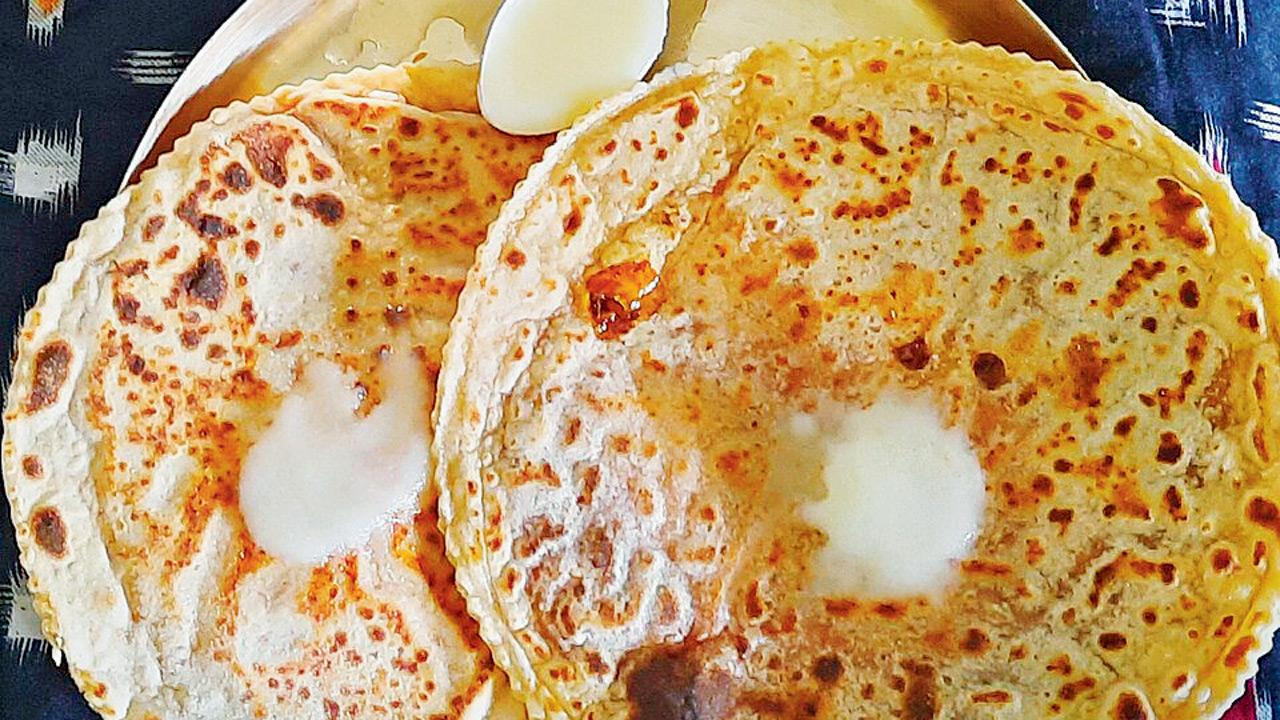
Gul Poli is a sweet flatbread. Pic courtesy/Wikimedia Commons
Gul Poli is a sweet flatbread, which we traditionally serve during Maharashtrian Makar Sankranti celebrations. The core ingredients are jaggery and sesame seeds. Take 500 gms of ordinary jaggery, one cup of sesame seeds, a quarter cup of khus khus (poppy seeds), a quarter cup of grated dry coconut, and a quarter cup of besan (gram flour).
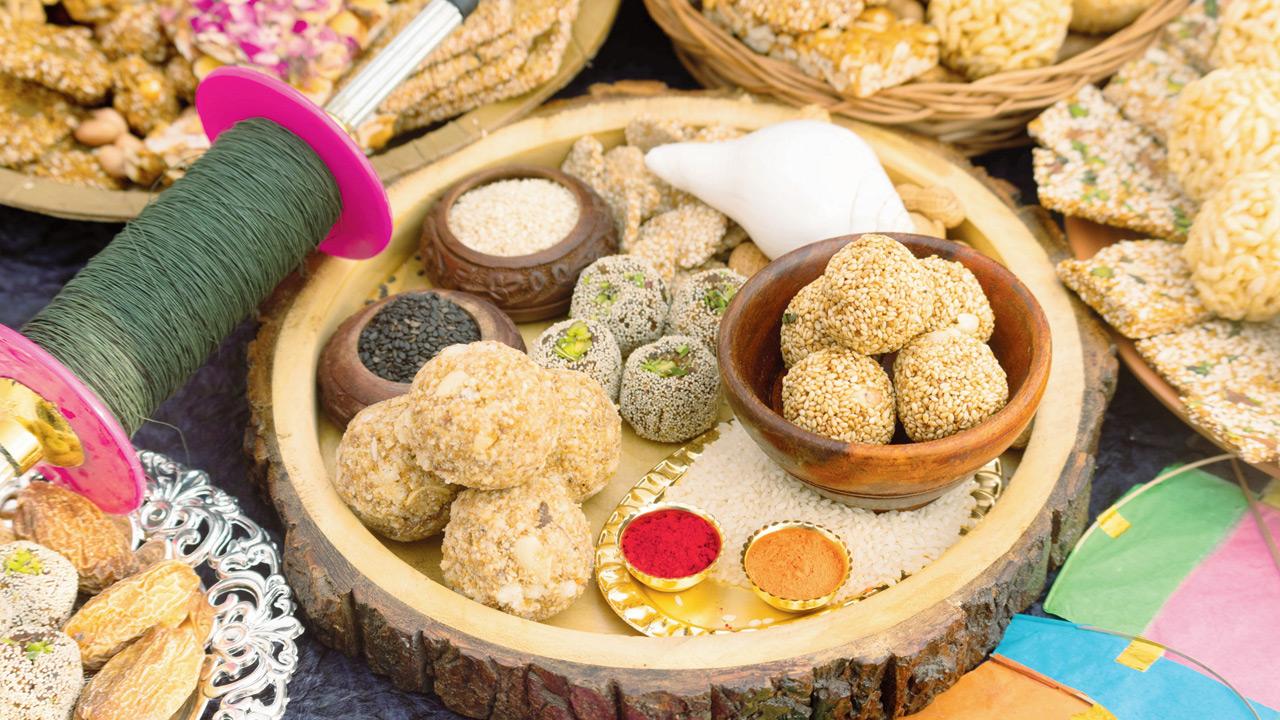
Dry roast the seeds and coconut, mainly on pulse mode otherwise sesame seeds release oil. Roast the gram flour in oil till it changes colour. Finely grate the jaggery. Finally, mix all the ingredients together on pulse mode. There should be no lumps in the mixture.

Meanwhile, knead wheat flour with ghee and salt and make a soft dough for the flatbread. Roll two small puris. Place the thick stuffing in between two puris and roll it like a paratha. Roast on a pan on low flame with ghee.
Madhavi Chavan, homemaker, Andheri
Peas and joy

Lilva Kachori is a Gujarati snack. Pics courtesy/WIKIMEDIA COMMONS
During Uttarayan, we generally prepare Undhiyu, served with fried puris and often Shrikhand. Savoury snacks include Lilva Kachori (Green Pigeon Pea Dumplings), a classic Gujarati winter delicacy. Crisp, fragrant, and mildly sweet-spiced, it is served with green and sweet tamarind chutneys and hot Masala Chai.

Undhiyu is often served with Puri during traditional Gujarati Uttarayan festivities
Combine flour and salt in ghee or oil until the mixture resembles breadcrumbs. Gradually add water and knead into a firm, smooth dough. Prepare the filling by coarsely grinding the lilva (pigeon pea) into a grainy mixture without water. Heat some oil, add cumin seeds, and eventually, asafoetida, green chillies, and ginger; sauté briefly until aromatic.

Then, add the ground lilva, with turmeric and coriander powder, and salt. Cook on medium heat, stirring continuously until the mixture turns dry and aromatic. Add sugar, remove from the heat; stir in garam masala, lemon juice, and fresh coriander. Allow the filling to cool. Lastly, shape the kachoris: Divide the dough into lemon-sized balls. Place the lilva filling inside and fry until they’re golden brown and crisp on all sides.
Rupa Shah, homemaker, Dahisar
Kheer, Punjabi-style

Roh Di Kheer is eaten the next day. Pics courtesy/Amrita Kaur
In the last few years, I’ve discovered the traditional Punjabi dessert, Roh Di Kheer — rice cooked in sugarcane juice. It’s made often for Lohri celebrations, kept overnight under the winter sky, and consumed the day after; the sugarcane ensures it doesn’t ferment much. As someone who loves learning the history of festival traditions, I’ve been making this dessert for quite a few years now.

For a small portion, boil a litre of sugarcane juice, skimming out any foam surfacing. Once reduced to three-quarters of the quantity, add two tablespoons of soaked rice — I prefer short grain rice, but traditionally broken rice is used — along with a green cardamom. Let it simmer, stirring occasionally until the rice is well-cooked and has soaked up all the juice. Add two to three tablespoons of milk and chopped dry fruits, cook for another seven minutes, and it’s ready.
Amrita Kaur, holistic gourmet chef and digital wellness content creator, Dharamsala (previously, Mumbai)
Offering to the Sun God

A woman cooks Sakkarai Pongal in the outdoors in Dharavi. Pics courtesy/Pooja Ashokkumar; Dinesh Devraj
For Tamilian families in Mumbai and across the diaspora, Pongal begins with women making kolams in their homes and verandas, using rice paste. Soon after, the traditional pongal dish (Sakkarai Pongal) is prepared outdoors using the season’s first produce, entailing rice and lentils, cooked until it boils and spills over, which is an auspicious moment marking abundance of good things.

This is followed by an elaborate vegetarian meal, consisting of the traditional use of 21 varieties of vegetables. Some households prepare them into a single coconut-based avial dish, while others make separate dishes with these vegetables, all of it always accompanied by sambar and rasam.
Pooja Ashokkumar, historian and researcher, Goregaon
Sakkarai Pongal

Sakkarai Pongal. Pic courtesy/Wikimedia Commons
Ingredients
>> 1 cup raw rice
>> 1/4 cup moong dal
>> 1 to 11/4 cups jaggery (powdered)
>> 3–4 cups water
>> 3 tbsp ghee
>> 10–12 cashew nuts
>> 1 tbsp raisins
>> ½ tsp cardamom powder
>> A pinch of salt

Dinesh Devraj
Method
Lightly roast the moong dal and wash it with rice; cook both with water until soft. Melt the jaggery with a little water, strain, and add it to the cooked rice-dal mixture. Simmer on a low flame, stirring continuously until thick. Add cardamom powder, and a pinch of edible camphor (optional) and salt. Fry the cashews and raisins in ghee and mix these into the pongal. Serve the dish hot after offering it to the Sun God.
Information courtesy: Dinesh Devraj
 Subscribe today by clicking the link and stay updated with the latest news!" Click here!