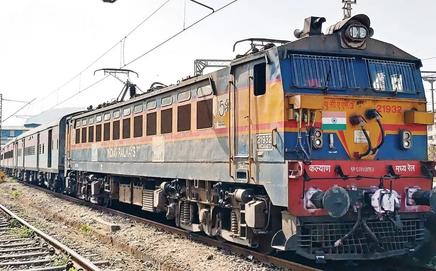
Ahead of the T20 World Cup 2026 finals, the Western Railway has announced that it will run superfast special trains between Mumbai Central and Ahmedabad. For the convenience of passengers and to meet increased travel demand, Western Railway has decided the introduction of superfast special trains between Mumbai Central and Ahmedabad, an official statement said. These trains will operate on special fares, providing enhanced travel options for passengers. Rajiv Singal, member, Western Railway Mumbai’s Divisional Railway Users' Consultative Committee told mid-day, "Yesterday, I had met Divisional Railway Manager (DRM) Pankaj Singh of Western Railway requesting him to run two special trains from Mumbai to Ahmedabad on Saturday night and two special trains on Sunday morning for the T20 World Cup final to be held in Ahmedabad. I am thankful to him for agreeing to the request." In response to growing passenger demand, Western Railway will run two additional superfast special trains between Mumbai Central and Ahmedabad. These trains will operate at special fares, providing comfort and convenience for passengers traveling on this popular route, it said. Vineet Abhishek, the Chief Public Relations Officer of Western Railway, said that these trains will help cater to the increased demand, especially during the peak travel season. Details of the special trains - Train No. 09027/09028 - Mumbai Central to Ahmedabad AC Superfast Tejas Special Departure from Mumbai Central: Train No. 09027 will depart from Mumbai Central on Saturday, 7th March, 2026, at 23:45 hrs. The train will reach Ahmedabad at 08:30 hrs the following day. Return from Ahmedabad: Train No. 09028 will depart from Ahmedabad on Monday, 9th March, 2026, at 03:00 hrs. It will arrive at Mumbai Central at 11:15 hrs on the same day. Enroute Halt: The train will stop at Borivali, Vapi, Surat, Bharuch, and Vadodara stations in both directions. Coach Composition: This train will have First AC, AC 2-Tier, and AC 3-Tier coaches to offer comfortable and premium travel options to passengers. - Train No. 09021/09022 - Mumbai Central to Ahmedabad AC Superfast Special Departure from Mumbai Central: Train No. 09021 will leave Mumbai Central on Sunday, 8th March, 2026, at 06:20 hrs and will reach Ahmedabad at 12:40 hrs on the same day. Return from Ahmedabad: Train No. 09022 will depart from Ahmedabad on Sunday, 8th March, 2026, at 15:10 hrs, reaching Mumbai Central at 21:45 hrs the same day. Enroute Halts: This train will also stop at Borivali, Vapi, Surat, Bharuch, and Vadodara stations. Coach Composition: This train will feature Vistadome, Executive Anubhuti, Executive Chair Car, and AC Chair Car coaches for a luxurious travel experience. Booking details and availability - Booking for Train Nos. 09027 & 09028 will open on 6th March 2026. - Booking for Train Nos. 09021 & 09022 will open on 7th March 2026. "Passengers can book their tickets at all PRS counters or through the IRCTC website. For detailed information on timings, halts, and coach composition, passengers can visit the official Indian Railways Enquiry Website: www.enquiry.indianrail.gov.in," the official statement said.
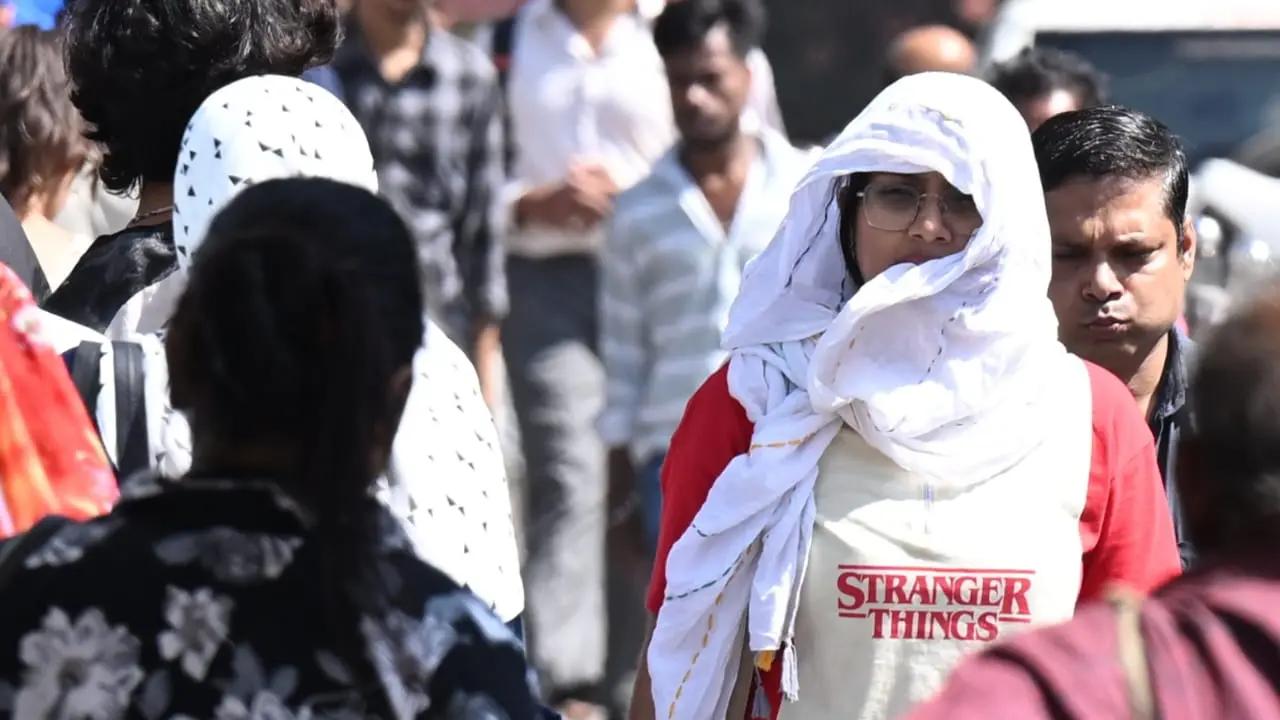
06 March,2026 12:30 PM IST | Mumbai | Rajendra B. AklekarMumbai was on Friday likely to experience a warm and sunny day with mainly clear skies and hot and humid conditions were likely across the city and its suburbs, according to the weather department update as on March 6 morning. The Regional Met Centre (RMC) in Mumbai, the minimum temperature in the city was on Friday morning recorded at 23.6 degrees Celsius at the Santacruz observatory and at Colaba the minimum temperature was recorded at 25.4 degrees Celsius. It said that the maximum temperature was likely to hover around 36 degrees Celsius on March 6. According to the RMC, the sun rose at 06:54 am and is expected to set at 18:46 pm. The weather department have indicated stable atmospheric conditions, with no major changes expected during this period. Residents can expect a warm and largely sunny day, typical of early March conditions in the city. AQI in Mumbai According to the Central Pollution Control Board's (CPCB) Sameer app, Mumbai’s Air Quality Index (AQI) was on Friday morning recorded 'Satisfactory' at 9:05 am and stood at 84. A health impact message stated, "The air quality is satisfactory with minor breathing discomfort to sensitive people." AQI recorded in parts of the city Bandra Kurla Complex: 108 (Moderate) Borivali East: 103 (Moderate) Mazgaon: 92 (Satisfactory) Andheri East: 106 (Moderate) Chembur: 78 (satisfactory) Colaba: 98 (Satisfactory) Shivaji Nagar: 111 (Moderate) In surrounding areas of the city including Thane and Navi Mumbai the air quality remained 'Moderate'. The air quality was recorded as 'Moderate' in Thane which reported an AQI at 82 on Tuesday morning. In Kalyan AQI was recorded at 44, and in Navi Mumbai at 86. Hot afternoons in Mumbai Mumbai is currently experiencing warm weather, with temperatures ranging between 25 degrees Celsius in the mornings and rising up to 36 degrees Celsius during the day. The city and surrounding suburbs are seeing mainly clear skies, light north-easterly winds, and moderate humidity levels. Mumbai has been experiencing hot afternoons since last week of February, with hot weather conditions especially in afternoons. Since the start of March the skies have remained mostly clear, with light north-easterly winds and moderate humidity. The experts have advised residents to stay hydrated and take precautions while outdoors during the peak daytime heat and scorching afternoon sun.
06 March,2026 10:15 AM IST | Mumbai | mid-day online correspondentThe state’s economy is projected to grow by 7.9 per cent in 2025-26, outpacing the estimated national growth rate of 7.4 per cent, according to the Maharashtra Economic Survey 2025-26 released by the Directorate of Economics and Statistics. Finance Minister Ashish Jaiswal tabled the state’s economic survey in the state Legislative Assembly on Thursday. Chief Minister Devendra Fadnavis will table the Budget today in the Assembly. This will be the second Budget of the current Mahayuti government. Maharashtra ahead Maharashtra contributes about 14 per cent to India’s GDP — the highest among all states. The state’s per capita income is also significantly higher than the national average, at an estimated Rs 3.47 lakh, compared to the all-India average of Rs 2.19 lakh. The growth of the industrial sector stood at 5.7 per cent in 2025-26. REPRESENTATION PIC/ISTOCK Agriculture trend Production of cereals, sugarcane, and cotton is expected to grow by 10.6 per cent, 22 per cent, and 7 per cent, respectively, while production of pulses and oilseeds may decline by 28.2 per cent and 47.4 per cent. A total of Rs 9,022 crore has been sanctioned for crop loss compensation. Development schemes Ladki Bahin: Under this scheme,Rs 32,470 crore was spent in 2024-25 and Rs 29,570 crore in 2025-26, benefiting over 2.3 crore women. It is the single biggest women-focused welfare scheme in the state. Urbanisation: Around 45.2 per cent of the state population lives in urban areas, making it one of the most urbanised states in India which has a 31.1 per cent average. Slums: Tenements are being provided to families living in slums. Since the inception of the programme in Mumbai, a total of 2545 projects have been completed up to December 2025, resulting in the rehabilitation of 2,83,955 slum-dwelling families into permanent tenements. In Thane, 51 projects have been completed, under which 7815 families living in slums have been rehabilitated into housing units. Infrastructure and transport Details 2024-25 2025-26 Installed power capacity 38,601 MW 39,000 MW (approx; survey indicates incremental growth) Renewable energy capacity 12,355 MW 13,000 MW+ (survey trend) Total road length 3.28 lakh km 3.46 lakh km Total vehicles 488 lakh 488.25 lakh Sector growth Sectors 2024-25 2025-26 Agriculture, allied growth 8.7% 3.4% Industry growth 4.9% 5.7% Services growth 7.8% 9.0% Share in India’s Nominal GDP 13.5% 14.0% Fiscal position Details 2024-25 2025-26 Revenue receipts Rs 5,36,463 cr Rs 5,60,964 cr (revised estimate) (budget estimate) Revenue expenditure Rs 5,62,999 cr Rs 6,06,855 cr (revised estimate) (budget estimate) Fiscal deficit (% of GSDP) 2.4% 2.7% Debt stock (% of GSDP) 17.3% 18.3% Annual plan outlay Rs 1,92,000 cr Rs 2,54,560 cr Agriculture and rural economy Details 2024-25 2025-26 Monsoon rainfall 116.8% of normal 109.1% of normal Kharif sowing area 157.59 lakh ha 157.27 lakh ha Flood compensation Rs 1470.92 crore Rs 9022.38 crore Avg. operational landholding 1.23 ha 1.23 ha (latest census) Growth rate Details 2023-24 2024-25 2025-26 (projected) GSDP growth rate – 7.3% 7.9 % India’s growth rate – 6.5% 7.4% Nominal GSDP 40.56 lakh crore 46.22 lakh crore 51.00 lakh crore Real GSDP (in lakh crore) 24.35 lakh crore 26.71 lakh crore 28.82 lakh crore Per capita income Rs 2,78,681 Rs 3,09,340 Rs 3,47,903 Banking and credit Details 2024-25 2025-26 Total bank deposits Rs 46.68 lakh crore Rs 53.40 lakh crore Gross credit Rs 45.99 lakh crore Rs 52.39 lakh crore Credit-deposit ratio 98.5% 98.1% Share in all-India deposits 22.9% 22.7% Share in all-India credit 28% 27.8%
06 March,2026 08:03 AM IST | Mumbai | Sanjeev ShivadekarThe strike called by the Maharashtra Transport Action Committee (M-TAC) has been postponed after the state government assured transporters that their issues would be resolved. M-TAC representatives told mid-day they decided to defer the strike after receiving a written assurance from Maharashtra Transport Minister Pratap Sarnaik. Positive response “The response to the call for the strike has been positive, and we have been assured in writing by the state government that it will look into our demands after the Budget Session,” Harsh Kotak, a transporters’ leader and private bus owner, told mid-day. Kotak said that a meeting is likely to be held next week, after which they will decide their course of action. Deputy Chief Minister Eknath Shinde also spoke to them through a video call, assuring them that their grievances would be resolved. Protesters’ demands Bal Malkit Singh, advisor, All India Motor Transport Congress and an M-TAC member, said several pressing issues were affecting the sector, particularly concerns relating to the e-challan system and long-pending demands. What minister promised Sarnaik said, “A strike would add to problems. Hence, I have appealed to transporters to hold back the strike call. The government is serious about resolving their issues and is sensitive to their various demands.”
06 March,2026 07:59 AM IST | Mumbai | Rajendra B. AklekarWhen cricket fever grips Wankhede Stadium, the roar of the crowd spills far beyond the stands into the quiet Art Deco lanes of Marine Drive, turning match days into a mix of celebration and inconvenience for residents living next door. Barricaded roads, heavy police deployment, parking restrictions and booming stadium announcements transform the neighbourhood into a tightly controlled security zone hours before the first ball is bowled. While fans in blue jerseys flood the stretch from Churchgate to the stadium, locals say match days bring three predictable challenges: traffic gridlock, noise and parking disruptions. Yet many residents say they have learned to live with the chaos of cricket in a city where the sport borders on religion. Residents’ concerns Parking access Residents say vehicles often have to be parked far from their homes. “Last-mile connectivity to parking areas like Nariman Point would help. The BJP and Shiv Sena both have also assured us this in their promise,” said Naresh Kapoor, a resident of D Road. Noise pollution Some residents say stadium anchors and announcements amplify disturbance. “Is it necessary for anchors to keep screaming on the mic? The sound of the game itself is enough,” said Vivek Kapadia, a resident of D Road. Crowd surge on match days The Marine Drive-Churchgate stretch fills with fans wearing blue India jerseys hours before the match. Outside Churchgate station >> India jerseys sold Rs 300-Rs 800>> National flags and merchandise sold by hawkers Crowd control reminder The scale of gatherings around Marine Drive became evident during the T20 World Cup victory rally, when the entire stretch was packed and authorities later recovered truckloads of footwear left behind by crowds. Indrani Malkani, managing trustee of V Citizens Action Network (VCAN) Police preparedness Authorities say detailed planning goes into match-day management. Security plan >> 2600 SRPF personnel deployed>> Traffic diversions issued in advance>> Coordination meetings with residentsOfficials say the aim is to manage crowds while minimising inconvenience for locals in one of Mumbai’s most iconic neighbourhoods. Location: Wankhede Stadium precinctNeighbourhood affected: Marine Drive-Churchgate stretchPolice deployment: 2600 State Reserve Police Force personnel + local police units Match day snapshot Security measures >> Main IMC Road barricaded>> Entry allowed only for ticket holders>> Housing society gates guarded by police>> Multiple roads diverted due to concretisation work What Marine Drive residents face 3 main inconveniences >> Traffic congestionNarrow lanes near the stadium choke with vehicles and fans. >> Noise levelsLoud music, announcements and cheering continue throughout the match. >> Parking restrictionsResidents’ vehicles often need to be parked far away.“We have three key inconveniences: traffic, noise, and parking,” said Ashok Gupta, a resident of Zaver Mahal near the stadium.
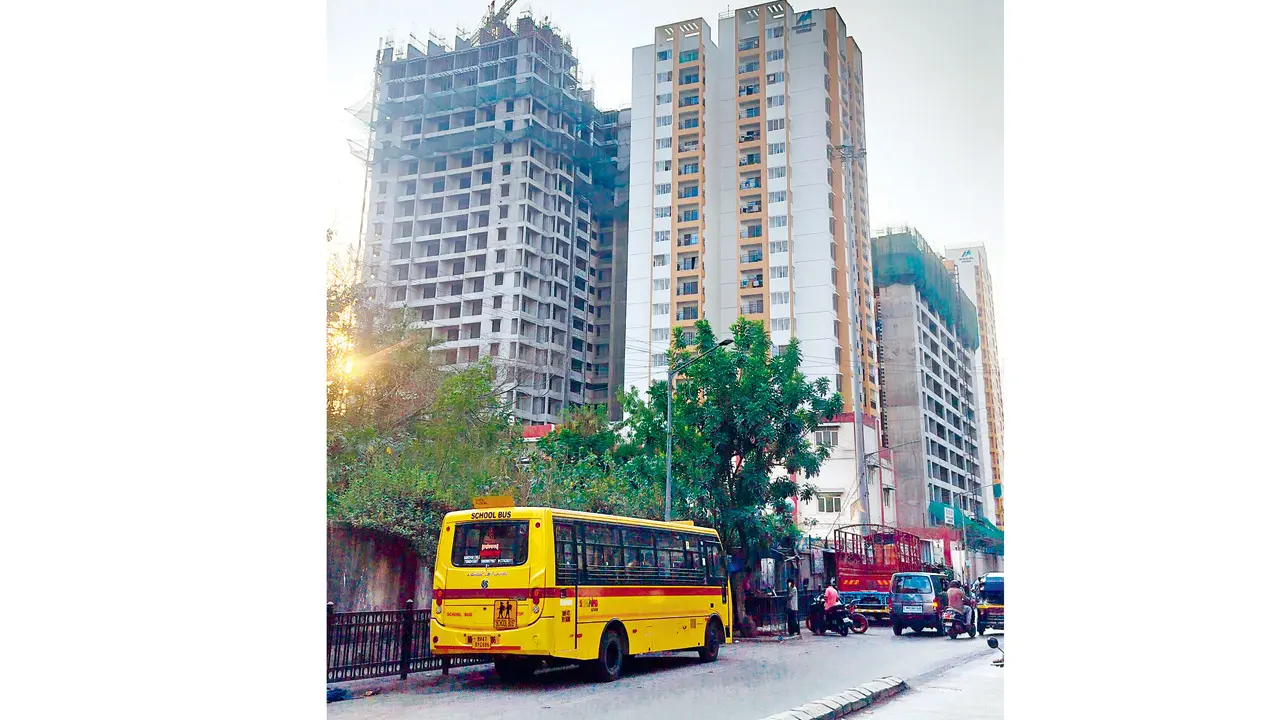
06 March,2026 07:46 AM IST | Mumbai | Rajendra B. AklekarAs construction activity surges across Mumbai and dust pollution increasingly clouds the city’s air, the Brihanmumbai Municipal Corporation (BMC) has intensified enforcement against projects violating mandatory dust-control norms. In P North Ward, the city’s largest administrative ward, which covers the Malad locality, civic officials have issued 149 stop-work notices to construction projects found flouting pollution safeguards. Data accessed by Vinod Gholap, president of the Fight for Right Foundation, under the Right to Information (RTI) Act, reveals the scale of violations across redevelopment sites, raising questions about how effectively construction-driven pollution is being regulated in a city witnessing one of its biggest redevelopment booms. Meanwhile, activists say enforcement remains uneven across agencies and warn that notices alone may not be enough to curb dust pollution. Bigger question: Are notices enough? Activist Sayyed Waseem said the larger challenge lies in ensuring accountability in a city witnessing thousands of redevelopment and infrastructure projects, including the ongoing large-scale concretisation of roads and footpaths. “Until responsibility is clearly fixed on contractors, departments and officials, and strict punitive action becomes mandatory, these violations will continue,” he said. Enforcement drive at a glance Ward: P North (Malad)Construction sites inspected: 224Stop-work notices issued: 149Projects that later complied: 44>> Nearly 1 in 3 projects rectified violations after enforcement action. According to BMC’s rules, these measures are mandatory >> MS sheet barricades around construction sites>> Green safety nets on high-rise structures>> Regular water sprinkling to suppress dust>> Covered storage facility for debris and construction material>> Wheel-washing facilities for trucks>> BMC-approved AQI monitoring sensors>> Enclosed areas for high-dust activities>> Failure to comply results in immediate stop-work notices Activists flag uneven enforcement RTI activist Vinod Gholap said the effectiveness of the drive will depend on whether rules are enforced uniformly across all agencies. According to him, more than 40 projects complied and had notices revoked, but several projects under agencies such as MMRDA, SRA and MHADA allegedly continued work despite being served notices. Enforcement gaps remain >> Despite the crackdown, enforcement remains complex>> While the BMC can issue notices, it does not have direct punitive authority over projects run by autonomous agencies such as SRA, MHADA, and MMRDA>> In such cases, notices are forwarded to the respective authorities, which can slow action and create procedural delays in halting work>> Environmental experts say this fragmented regulatory structure weakens accountability across Mumbai’s fast-growing redevelopment sector Who received notices from civic body Project category Notices issuedPrivate projects 107SRA 26MMRDA 03MHADA 05BMC projects 01Ready-mix concrete plants 07Private redevelopment projects account for over three-fourths of violations
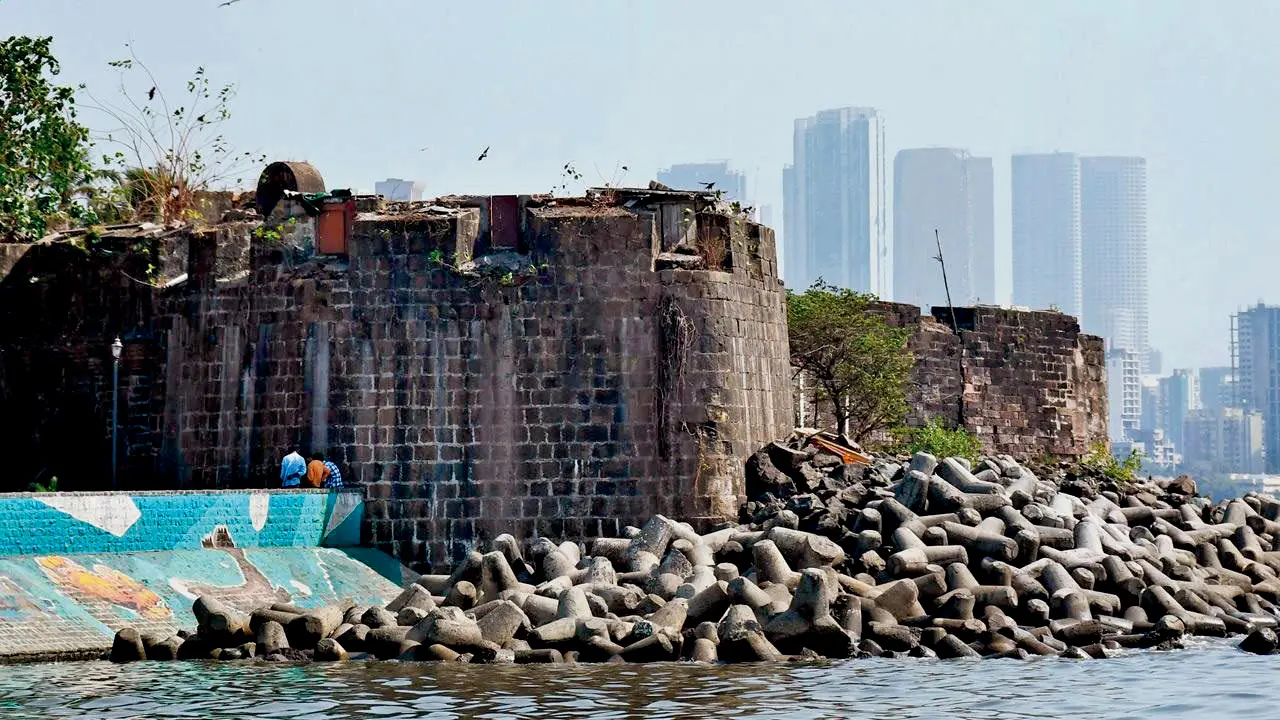
06 March,2026 07:42 AM IST | Mumbai | Samiullah KhanWith work on the restoration of the Mahim Fort set to begin soon, the BMC is now pushing for a larger plan to create a Gateway of India-like tourist precinct at Mahim, taking into account the area within a 500-metre radius. The 800-year-old Mahim Fort borders the sea near Mahim Koliwada. FILE PIC/SHADAB KHAN A larger area around the fort will be developed, including the area up to Mahim Koliwada, Mahim police station, Mahim beach and its seafood plaza, and the adjacent land parcel owned by the Collector, which currently houses bamboo and furniture shops. The BMC has approached the collector’s office to recce this portion of the area and understand how many of the existing shops are authorised. About Mahim Fort Dating back to the 13th century, the Mahim Fort is strategically located at the south-end of Mahim beach, overlooking the Arabian Sea. While it is temporarily closed for tourists, it can be accessed via Mahim beach, as well as a road near Mahim Dargah, off Swatantryaveer Savarkar Road (old Cadell Road). Plans for Mahim Fort The BMC and the Customs Department are in the final stages of signing a Memorandum of Understanding (MoU) for the restoration of the fort. A comprehensive revamp will be undertaken by BMC and Archaeological Survey of India (ASI) for the restoration of the fort. Plans for area >> Opening of watchtower for aerial view of Bandra-Worli Sea Link>> Beach promenade>> Boost to cultural tourism, with seafood plaza>> Religious tourism, with Mahim Church and Mahim Dargah in area>> Heritage tourism with Mahim Fort Official Speak Vinayak Vispute, Assistant commissioner, G North ward‘The project will require multi-agency coordination. We have written to the Mumbai Collector to understand the status of the shops adjoining the seafood plaza, and we will draft a comprehensive plan with stakeholders involved. The concept is to create a wholesome precinct surrounding the Mahim Fort, for tourism and leisure purposes, similar to the precinct at the Gateway of India.’ 500 MetresArea around Mahim Fort that will be developed
06 March,2026 07:30 AM IST | Mumbai | Eeshanpriya MSWhat was meant to signal smoother roads and faster mobility around Girgaon Metro Station has instead kicked up a growing health concern. Residents, shopkeepers and daily commuters say stone dust spread across newly concreted roads on JSS Road is turning the busy stretch into a cloud of fine particles every time vehicles pass, triggering coughing, eye irritation and breathing trouble in the area. Locals say the dust problem has persisted for months and worsens during peak traffic hours, with buses and cars sending visible plumes of powdery stone dust into the air. Doctors in the neighbourhood say the complaints they are seeing reflect what residents are experiencing on the street. What residents say they are facing Common symptoms reported>> Eye irritation>> Persistent coughing>> Throat discomfort>> Heavy breathing>> Sneezing“With every passing vehicle, the stone dust rises into the air,” said Mansukh Kameni, a shopkeeper on JSS Road.“We have to keep our shutters partly down so the dust does not settle on our products.” What doctors in the area are seeing Local physician Dr Anil Mane says respiratory complaints in the neighbourhood have increased over the past 1.5 years. “Each and everyone must wear a mask these days, especially in areas where massive construction work is happening,” Dr Mane said. When the dust problem worsens >> Peak hours:>> Afternoon and evening traffic>> Residents say loose cement and stone particles become airborne repeatedly, worsening exposure for pedestrians and shopkeepers. Questions residents are asking >> Is spreading stone dust after concreting technically required?>> Why are dust control measures like water sprinkling not used?>> Why are there no barricades or protection for pedestrians?“It becomes impossible to walk here during peak hours,” said Jitendra Ghadge, a resident and citizen activist.“The dust flies straight into your face every time a bus passes.” What experts say >> Construction industry professionals say the practice itself is questionable.>> Construction contractor Abhishek Sapre said:“It is an unnecessary practice and has no real purpose. Stone dust particles are extremely fine and can definitely cause illness.” Medical observations from local clinic Indicator ObservationTime period noted 1.5 yearsCommon complaints Congestion, coughing, throat infectionPatients advised tests Chest X-ray or sputum testAmong those tested About 90% showed mild bronchitis or chest infections, according to the doctor
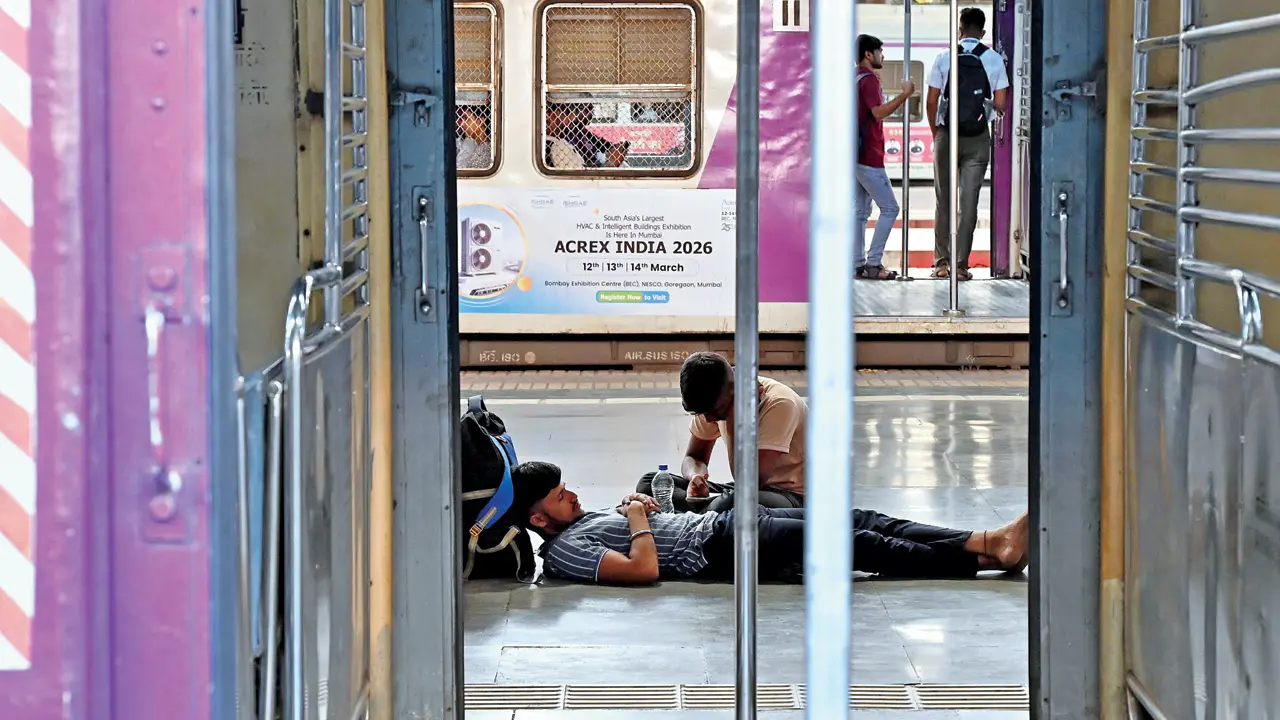
06 March,2026 07:27 AM IST | Mumbai | Ritika GondhalekarLocal layover Two travellers catch a break on the platform at Chhatrapati Shivaji Maharaj Terminus. A touch of inclusion Artworks by Satish Gujral alongside their tactile recreations. PICS COURTESY/ACCESS FOR ALL; Wikimedia Commons ‘Do not touch’. That’s a sign you’d expect to see next to a prized artwork by veteran Satish Gujral. We were delighted to learn that the ongoing Satish Gujral 100: A Centenary Exhibition at NGMA Delhi broke that rule with tactile replicas and braille panels designed by Mumbai-based accessibility group, Access for ALL. “With the haptic panels, visitors with visual impairment can experience Gujral’s works through textures,” shared founder Siddhant Shah. Kashish Kocchar, assistant curator, Gujral Foundation, added that the inclusion is a fitting tribute to the artist who lived with a hearing impairment and chose the canvas and architecture as his medium of expression. We’re all eyes, and ears, for such inclusive initiatives to pop up in our city soon. Learn on the fly A panel from the new butterfly handbook. PICS COURTESY/INATUREWATCH, Isaac Kehimkar Nature enthusiasts now have access to lessons on butterflies from the Butterfly Man of India himself. Isaac Kehimkar has joined hands with iNatureWatch Foundation to publish Common & Some Rare Butterflies of Navi Mumbai, a handbook comprising 60 species, identification details, season and habitat information, and the best locations to spot flutters. Isaac Kehimkar and Indian Sunbeam butterfly In 2024, this page featured the venture’s Police Station Butterfly Gardens project. The book is an extension of the project’s success, we learnt. “For the last two years, we have been studying the 20 gardens we built [across Mumbai]. They’re all thriving. The book offers a comprehensive guide to beginners,” shared Dr V Shubhalaxmi (right), founder of iNaturewarch. Readers keen on the guide, can log on to birdwingpublishers.com. Cooking up a storm (From left) Co-founders Rinchen Angchuk and Saamir Chandnani Bandra now has a new haunt for fans of Japanese and Korean fare, with the new fine dining venue of Mirai opening doors on Linking Road today. While the grilled Korean Barbecue (BBQ) or the Vegan Unagi Donburi might be tempting, the highlight will be its live cooking experience. Patrons can expect a live Teppanyaki counter and curated Omakase experiences at a sushi bar amongst other cooking formats. “The concept is to let guests interact with the cuisine, not just dine on it,” shared co-founder Saamir Chandnani. Solidarity in style A woman gets a makeover during a previous initiative for senior citizens. PICS COURTESY/Beautiful Hearts Family on FACEBOOK Women’s Day will arrive early for nearly 250 female survivors of cancer at the Tata Memorial Hospital in Parel. City-based initiative Beautiful Hearts Fund will bring together nearly 80 volunteers from the beauty and wellness ecosystem in Mumbai to offer professional grooming for cancer survivors today. “Now in its second year, the programme reflects a growing recognition that recovery extends beyond medical intervention and includes emotional, psychological, and social dimensions of healing,” the team shared. Stylist Sapna Bhavnani and team have already pledged their support to the initiative, we learned.
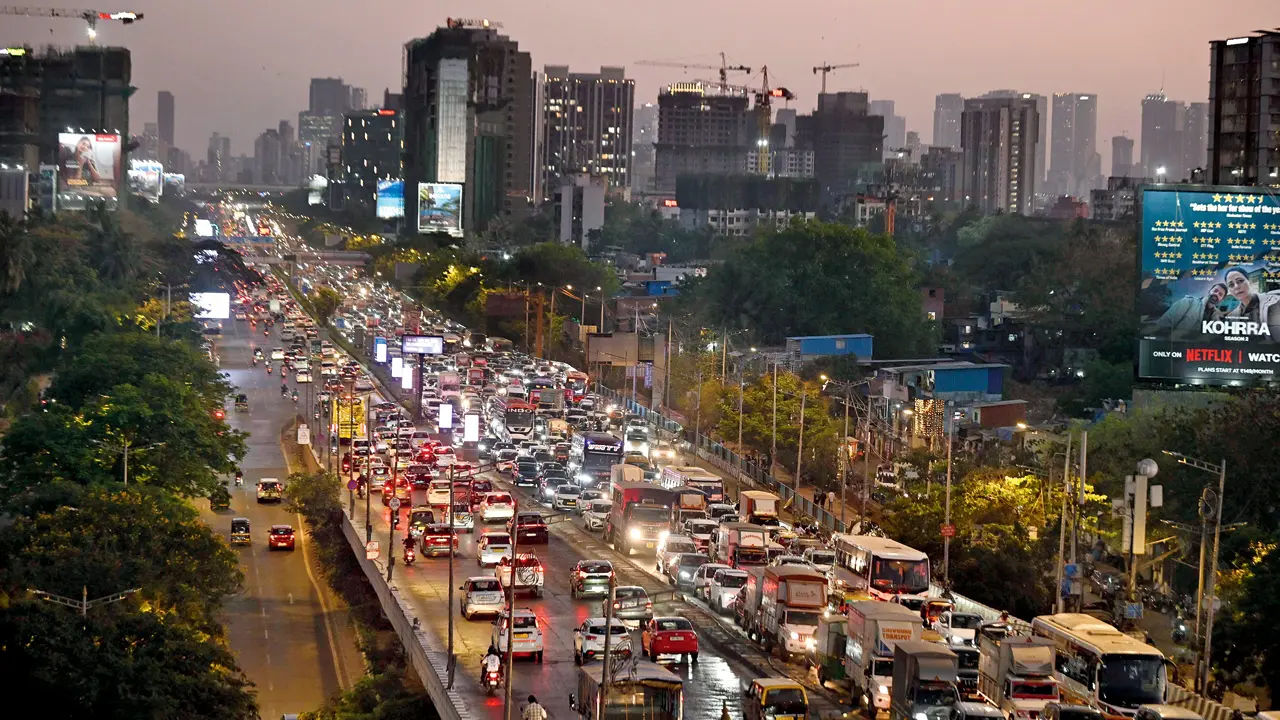
06 March,2026 07:23 AM IST | Mumbai | Team mid-dayMumbai’s 55-plus flyovers were built to ensure smoother traffic flow, especially at signals and junctions, but they are used by heavy goods trucks and buses even during the daytime, making commuting on these overpasses, especially on the Western and Eastern Express Highways, a daunting experience during peak hours, when motorists are stuck in bumper-to-bumper traffic. Heavy vehicles hinder the flow of traffic on the Aarey Colony flyover during evening peak hours in Goregaon East on March 1. PIC/SATEJ SHINDE mid-day recently conducted a test drive on both corridors to reveal that the extensive use of flyovers by outstation buses and goods carriers is causing congestion. City-based transport experts believe that easing congestion on arterial routes requires barring heavy vehicles from flyovers. According to the traffic police, the movement of heavy vehicles is restricted from 8 am to 11 am and 5 pm to 9 pm. An official from the transport department said, “Allowing slow heavy vehicles on steep flyover gradients during peak hours can reduce effective capacity — but legally, unless notified otherwise, they are permitted. Restrictions, where imposed, are usually time-based.” Eastern Suburbs Kanjurmarg flyover Buses and goods carriers of various sizes are seen on the Kanjurmarg flyover. Pic/Ranjeet Jadhav While traffic congestion on the Eastern Express Highway (EEH) is relatively lower than its western counterpart, during a trio from Sion to Ghatkopar similar issues were witnessed. Buses and small- to medium-sized goods carriers were seen plying the Kanjurmarg flyover, leading to congestion, even as the lanes beneath remained largely empty. Diverting buses, goods carriers, and other heavy vehicles to the service lanes below the flyover could ease congestion considerably. Western Suburbs Kalina Vakola flyover During evening peak hours, traffic slowed to a crawl on the flyover and approach lanes primarily due to the movement of goods carriers, heavy vehicles, and outstation buses. It was also observed that the northbound lanes beneath the flyover were largely empty. Diverting goods carriers, outstation buses, tempos, and trucks onto these lanes could make a difference. Domestic airport flyover The flyover near the Mumbai airport. PIC/Ranjeet Jadhav In the northbound direction, tempos, small and medium goods carriers, and buses could be seen using the flyover, which appears to be a key reason for bumper-to-bumper traffic in this area during both morning and evening peak hours. Aarey Colony flyover The Aarey Colony flyover in Goregaon on March 1. PIC/SATEJ SHINDE A visit during evening peak hours revealed that congestion on the flyover and its approach roads was caused by slow-moving goods carriers, heavy vehicles, and outstation buses. In contrast, the northbound lanes below the flyover were mostly vacant. Why has the problem increased? >> Rising no. of construction vehicles, equipment carrying trailers>> Rapid growth of e-commerce deliveries and logistics movement>> Increasing tanker traffic serving construction and fuel supply>> Rising number of private intercity bus operators Traffic cop’s take A senior traffic police official told mid-day that the issue is basically a network management problem. “On the Western and Eastern Express Highways, most flyovers are part of continuous highway corridors, and we cannot arbitrarily stop trucks unless a formal restriction is notified. If we suddenly block them without an order, the decision does not stand legally, and transport operators challenge it,” said the cop. “Many trucks plan their movement to coincide with the end of restriction hours, which overlaps with peak commuter traffic. From the driver’s perspective, the flyover is the straightest route with fewer signals, so they naturally choose it. But when a loaded multi-axle vehicle climbs a gradient, its speed drops sharply and cars accumulate behind it,” he added, stating “Drivers prefer elevated roads because they psychologically expect them to be faster. If we divert heavy vehicles, car drivers may still crowd the flyover, so management has to be planned carefully. Also, enforcement on long highway corridors requires manpower at every ramp, and vehicles re-enter at the next access point. Without a notified policy, officers on the road can only advise, not compel anyone.” Voices Ratnakar Sawant, Daily commuter‘I get stuck on the Western Express Highway daily largely due to the presence of tankers, goods carriers, long-distance buses and tempos. The traffic police must enforce rules regarding such vehicles on flyovers, which would help ensure smoother and faster movement of vehicles’ Shilpa Nair, Airline employee‘The airport flyover should be the fastest stretch, but it’s actually the slowest. We often see buses and tempos occupying both lanes, and cars are trapped behind them’ Suggestions from experts >> Peak-hour vehicle segregationDivert trucks, tankers, and buses to surface lanes >> Ramp-level enforcementRestrict heavy vehicles at flyover entry ramps >> SignageElectronic boards can dynamically alter traffic flow >> Dedicated freight time windowsPermit goods vehicles to use flyovers freely during late night and off-peak periods >> Bus routing managementDivert long-distance and contract buses via surface roads or designated corridors Legal View Arindam Mahapatra, Lawyer‘At present, regulation focuses on city-entry timings for trucks rather than on how different vehicle types should use different layers of road space during peak hours. A parking area for trucks and buses could solve the traffic problems to a certain extent’ Expert’s Comment Jagdeep Desai, Architect, academician, founder-trustee, and chairperson, Forum for Improving Quality of Life in Mumbai‘We have outsmarted traffic logic and norms and are paying the price. We can only hope for damage control using non-infrastructure interventions. Otherwise, we will keep building flyovers, and traffic will be stuck despite them’
06 March,2026 07:22 AM IST | Mumbai | Rajendra B. Aklekar | Ranjeet JadhavDo you know what the stars hold for you in terms of love life, career, business and personal wellness today? Well, read on to know your astrological predictions as per your zodiac sign for March 6. Aries March 21 – April 20Family life is happy and uneventful, but not lacklustre. Check with the doctor about taking supplements.Cosmic tip: Don’t hold onto incidents that happened a long time ago. TaurusApril 21 – May 20An endless dialogue at work gets to be annoying, forcing you to speak up. A stuck project begins moving forward.Cosmic tip: Don’t take a peaceful life for granted; nurture an attitude of gratitude. GeminiMay 21 – June 21Listening to different points of view is interesting.Cosmic tip: Be aware at all times as this makes life move ahead in a well-planned manner and with right decisions taken. Cancer June 22 – July 23A new karmic cycle begins that highlights being involved in social work. Plans need to be backed up with enough research.Cosmic tip: Learn from what you consider as ‘mistakes’. That’s the beginning of wisdom. Leo July 24 - Aug 23A better rapport with a family member with whom there had been a misunderstanding is sorted and forgiven.Cosmic tip: Consciously remain on the right path to live a peaceful and calm life. Virgo Aug 24 – Sept 23A friend may decide to draw away for now; so let go with a calm mind. Be prepared to change finalised plans (think of a plan B in advance).Cosmic tip: Change priorities as required. Libra Sept 24 – Oct 22Life is at an interesting juncture of making positive changes. Long-term finances need to be replanned.Cosmic tip: Be careful about what you say and how, even if you both share a great rapport. Scorpio Oct 23 – Nov 22An interesting opportunity at work should be accepted even if it seems small. Relationships may see turbulent times.Cosmic tip: Be patient with unforeseeable delays. Sagittarius Nov 23 – Dec 22Be careful near waterbodies. Social networking also does its job for making new contacts that draw in added business. Cosmic tip: Don’t have unrealistic expectations. Capricorn Dec 23 – Jan 20Listening more than speaking at a meeting helps gauge general trend and outcome. Help others silently (that’s true strength).Cosmic tip: Be patient to attract the kind of results looked forward to manifesting. Aquarius Jan 21 – Feb 19A message brings a flurry of activity, making important decisions that have far reaching consequences. Cosmic tip: Remember, words spoken once can’t be changed. Pisces Feb 20 – March 20Anyone interfering in your life, even hidden in the background, stop doing so when there’s no reaction from you. Cosmic tip: Master your fears. Don’t expose them so they can be used against you.
06 March,2026 03:04 AM IST | Mumbai | Shirley BoseADVERTISEMENT