shot-button
E-paper E-paper
Home > Mumbai > Mumbai News > Article > Mumbai Railways to introduce dynamic QR codes to curb ticketless travel

Mumbai: Railways to introduce dynamic QR codes to curb ticketless travel

Updated on: 09 August,2025 07:11 AM IST  |  Mumbai
Rajendra B. Aklekar | rajendra.aklekar@mid-day.com

Railways to roll out dynamic codes to stop ticketless travellers from using code to buy tickets at the station after spotting a TC; the UTS app for Indian Railways has a geofencing restriction, meaning you cannot book tickets directly on the platform or near the tracks

Mumbai: Railways to introduce dynamic QR codes to curb ticketless travel

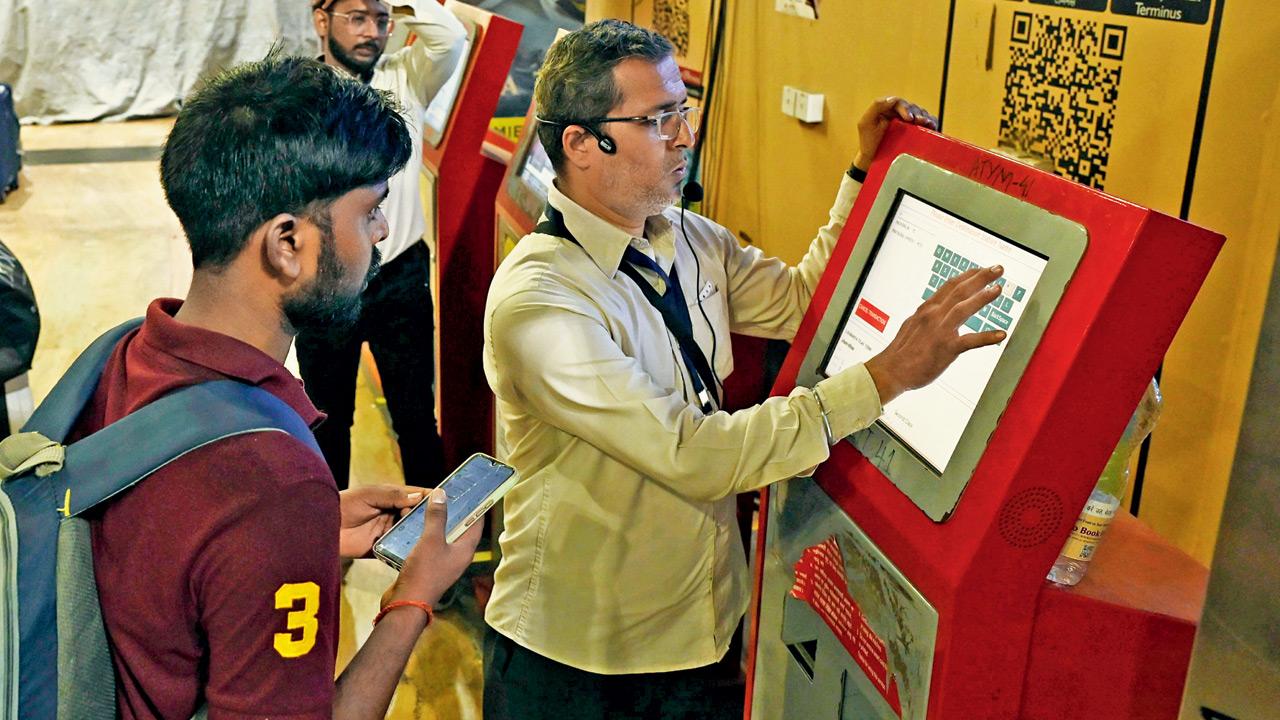
QR code for ticketing at Lokmanya Tilak Terminus. Pics/Ashish Raje

Listen to this article
Mumbai: Railways to introduce dynamic QR codes to curb ticketless travel
x
00:00

With rampant misuse of QR codes meant for local train ticketing, Mumbai Railways is finally switching to dynamic QR codes so commuters can no longer bypass ticketing by using downloaded codes. At present, QR codes pasted at stations are being misused by passengers who replicate and store them in their phone galleries, then scan them to buy tickets only when ticket checkers are spotted.


“QR codes and UTS cashless transactions using digital payment methods were introduced to ensure smoother, more efficient service for passengers. They are meant to expedite transactions, reduce wait times, and improve overall customer satisfaction. These QR code devices are already in use at all UTS counters of Mumbai Central Division, covering both suburban and non-suburban sections,” a railway official said.


The UTS (Unreserved Ticketing System) app for Indian Railways has a geofencing restriction, meaning you cannot book tickets directly on the platform or near the tracks. To use the app, you must be at least 20–25 metres away from the station or tracks, though the distance can vary. To offer ticketing convenience for app users, the railways introduced QR code stickers at station entrances. Each station has a unique QR code, allowing passengers to bypass ticket counters and geofencing and book tickets directly through the app.

QR code for ticketing at Guru Tegh Bahadur Nagar railway station in Mumbai on Friday. Pic/Atul Kamble

However, as QR ticketing gained popularity, codes from all stations soon found their way onto the internet and into commuters’ phone galleries. This led to widespread misuse, with tickets being purchased through stored QR codes only when ticket inspectors were in sight. “This misuse was not only causing revenue loss but was also unfair to regular commuters who pay for their tickets and travel. To kill the entire database of stored QR codes, we’ve decided to make station QR codes dynamic, displayed on digital screens, which will help weed out this menace,” the official added.

Misuse of Unreserved Ticketing System (UTS) QR codes

How it works

The UTS app allows passengers to book unreserved tickets by scanning station-specific QR codes. Normally, the app has a geofencing restriction that prevents booking from inside the station or near the tracks — typically requiring the user to be 20–25 metres away. QR codes were introduced to help commuters with the UTS app book tickets without having to stand in queues. By scanning these codes placed at station entrances, passengers could bypass the geofencing limit and complete the booking instantly.
 
The misuse

UTS QR codes are currently static — they don’t change frequently and contain fixed details such as the station’s identity. Once these codes are posted online, they can be reused indefinitely by anyone, from anywhere, to book tickets without actually being at the station. Station-specific QR codes have been widely shared online. Commuters intending to misuse the system simply save these codes on their phones and scan them from their galleries, bypassing the geofencing mechanism entirely.

This allows tickets to be booked remotely — even at the last moment, upon spotting ticket checkers — without being physically present at the station of origin. Such misuse enables large numbers of users to book tickets from anywhere, putting unnecessary load on the ticketing system and risking delays or crashes in the official app. It also creates discrepancies in official passenger counts, making crowd management at stations more difficult.
 
What are dynamic QR codes?

Dynamic QR codes change regularly and can include time-based or user-specific data. This prevents them from being reused by the general public, effectively blocking the loophole exploited with static codes.

Voices

Subhash Gupta, Yatri Sangh Mumbai
‘It’s a positive development that will fix the loophole. Many have been misusing QR codes within just a few months. Dynamic QR codes will end this once and for all. Let’s hope this is implemented quickly’

Shirish Kamdar, commuter
‘In commuter groups, these QR codes are always going viral and are used heavily. In fact, UTS QR codes for all stations have been uploaded online and misused freely’

"Exciting news! Mid-day is now on WhatsApp Channels Subscribe today by clicking the link and stay updated with the latest news!" Click here!

Did you find this article helpful?

Yes
No

Help us improve further by providing more detailed feedback and stand a chance to win a 3-month e-paper subscription! Click Here

Note: Winners will be selected via a lucky draw.

Help us improve further by providing more detailed feedback and stand a chance to win a 3-month e-paper subscription! Click Here

Note: Winners will be selected via a lucky draw.

central railway indian railways mumbai railways western railway Railways mumbai trains mumbai local train mumbai mumbai news

Mid-Day Web Stories

Mid-Day Web Stories

This website uses cookie or similar technologies, to enhance your browsing experience and provide personalised recommendations. By continuing to use our website, you agree to our Privacy Policy and Cookie Policy. OK