Fifteen Bangladeshi immigrants have been pushed back from Assam, Chief Minister Himanta Biswa Sarma said. He, however, did not mention the district where the development took place. "I do what I say, ALWAYS! So when I say, we will go all out against illegal infiltrators, we back it up with firm actions," Sarma said in a post on X on Saturday. "15 illegal Bangladeshis have been PUSHED BACK right to where they belong. Our mission continues... ," Sarma added. The Assam government has been cracking the whip on illegal migrants from Bangladesh, pushing back infiltrators through its borders with the neighbouring nation. This story has been sourced from a third party syndicated feed, agencies. Mid-day accepts no responsibility or liability for its dependability, trustworthiness, reliability and data of the text. Mid-day management/mid-day.com reserves the sole right to alter, delete or remove (without notice) the content in its absolute discretion for any reason whatsoever.
01 February,2026 06:36 PM IST | Guwahati | PTIIndia has finalised eight free trade agreements (FTAs), covering 37 developed countries in the last few years, Commerce and Industry Minister Piyush Goyal has said.He also said that India is in active dialogue for similar pacts with several countries, including Chile, Peru and Canada. Trade negotiations with Chile, he said, are almost at conclusion, where India has interests in critical minerals. "We've done eight free trade agreements covering 37 developed countries in the last few years under the Modi-government," the minister told PTI. Since 2014, India has finalised eight trade pacts -- Mauritius (April 2021 implemented), Australia (December 2022 implemented), UAE (May 2022 implemented), Oman (signed in December 2025), UK (signed in July 2025), EFTA (implemented in October 2025 - Switzerland, Iceland, Liechtenstein, Norway), New Zealand (talks concluded in December 2025), and the European Union (27-nation bloc). Goyal added that talks for a trade pact have started with the Mercosur group of countries to expand the existing PTA (preferential trade agreement).The Mercosur trade bloc members are Argentina, Brazil, Paraguay and Uruguay. The GCC (Gulf Cooperation Council), a group of six nations from the Middle Eastern region, too, has expressed a desire to start and launch negotiations for an FTA with India, theminister said. "We have finalized terms of reference with them," he said, adding that Canada and India are actively talking for a pact."We're going to quickly start negotiations with Canada," Goyal said. India and SACU, the South African-led union, are also considering whether the two sides can look for a trade deal, he added. "So a lot of potential trade deals on the anvil. We'll certainly be hearing many more good news stories and making India an international player, a global player of significance in the years to come," he said. Under trade pacts, two or more nations either eliminate or reduce import duties on the maximum number of goods traded between them. They also ease norms to promote trade in services and attract investments. This story has been sourced from a third party syndicated feed, agencies. Mid-day accepts no responsibility or liability for its dependability, trustworthiness, reliability and data of the text. Mid-day management/mid-day.com reserves the sole right to alter, delete or remove (without notice) the content in its absolute discretion for any reason whatsoever.
01 February,2026 06:20 PM IST | New Delhi | PTIFinance Minister Nirmala Sitharaman, while presenting the Union Budget 2026 on Saturday, proposed the setting up of a girls’ hostel in every district to improve access to education for female students, particularly those from rural and underserved areas. Follow the live updates of Union Budget 2026 with real-time coverage of major announcements, tax reforms, economic priorities and policy decisions To strengthen industry–academia collaboration, she also proposed establishing five university townships or academic zones next to major industrial hubs. The Finance Minister further announced the setting up of 50,000 Atal Tinkering Labs in government schools over the next five years to promote innovation, scientific temper and hands-on learning among students. Previously, Sitaraman had proposed the ‘Bhartiya Bhasha Pustak’ scheme, under which digitised textbooks in Indian languages were made available for primary and secondary school students to improve learning outcomes and access to quality educational material. The minister also noted the Centre's 2025 boost to medical education, where 10,000 new undergraduate and postgraduate seats in government medical colleges and hospitals were announced. This is part of a broader plan to add 75,000 medical seats over the next five years.
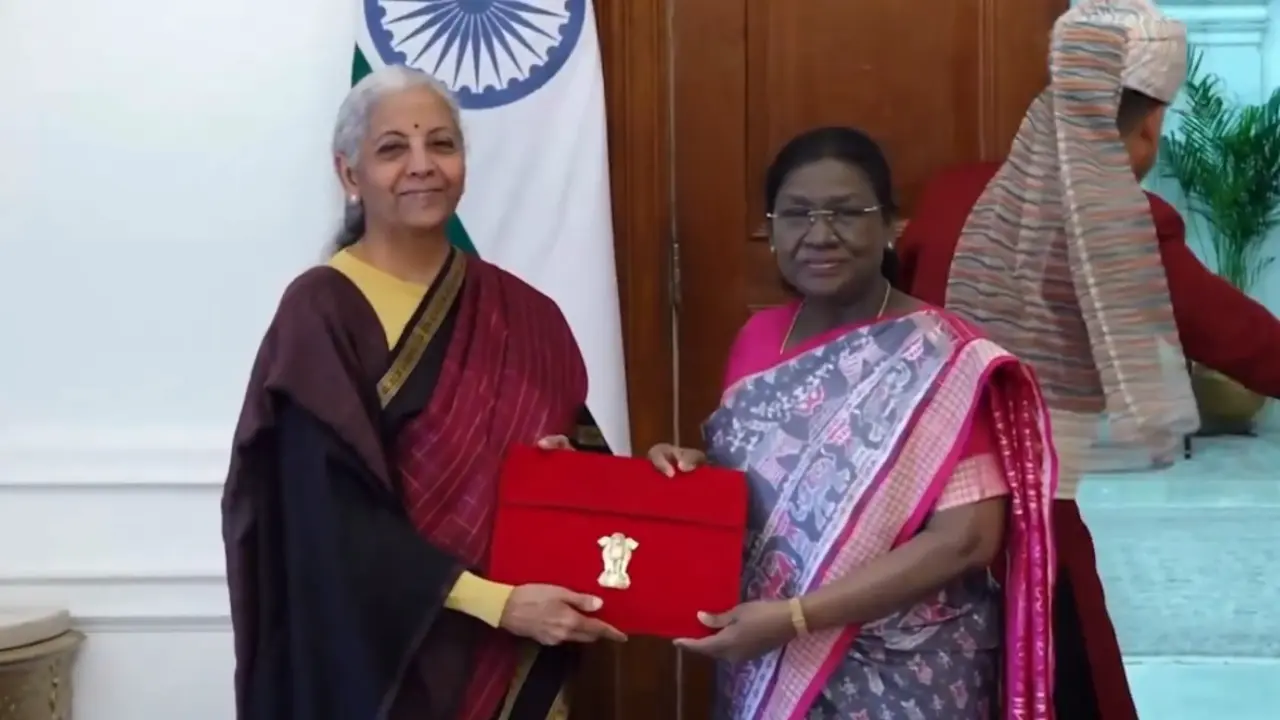
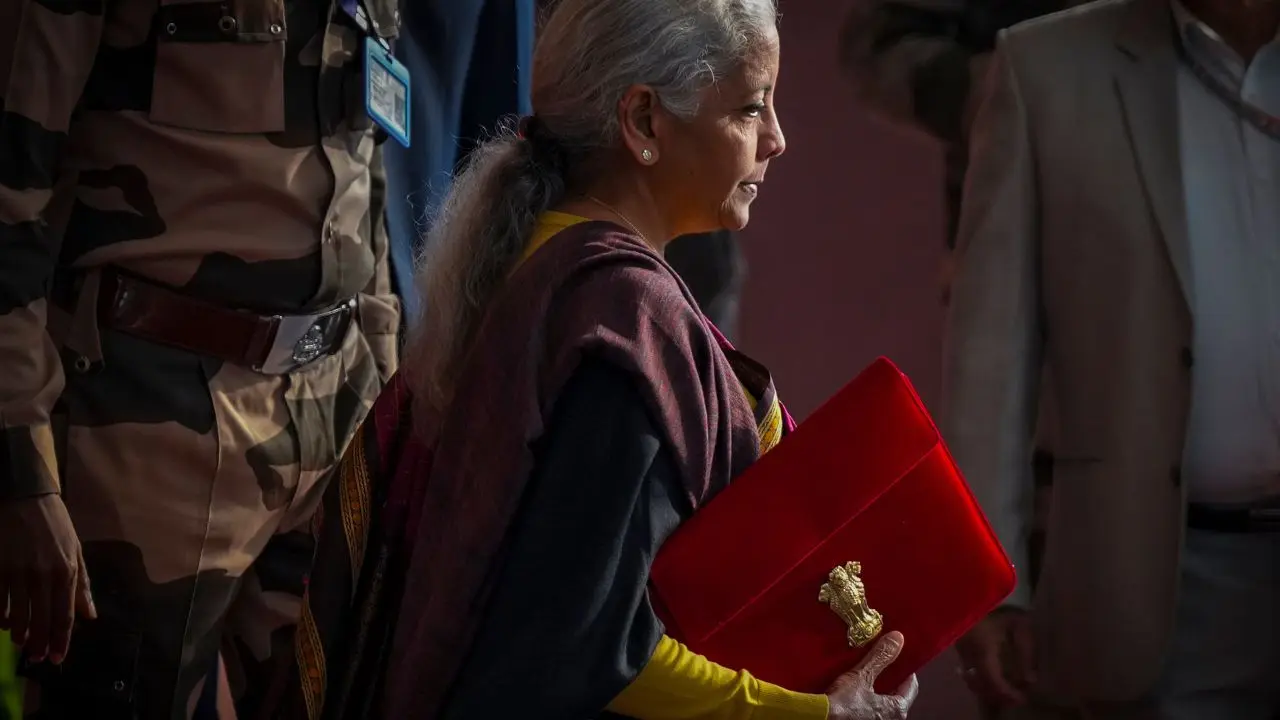
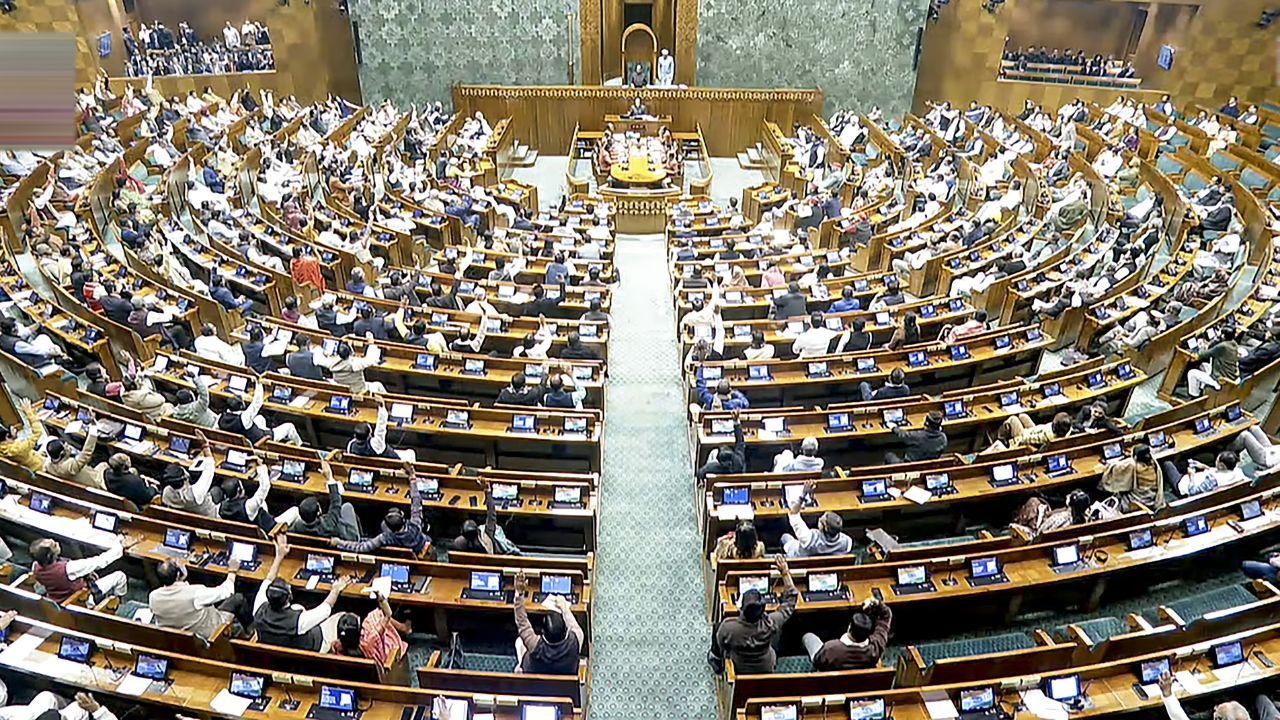
01 February,2026 06:16 PM IST | Mumbai | Aditi AlurkarUnion Finance Minister Nirmala Sitharaman called on President Droupadi Murmu at Rashtrapati Bhavan on Sunday, shortly before presenting the Union Budget 2026. Sitharaman continues ‘digital bahi-khata’ tradition Ahead of the crucial address, Sitharaman was seen carrying her now-familiar ‘digital bahi-khata’—a tablet wrapped in a red cloth embossed with the national emblem—continuing a tradition she has followed since moving away from the colonial-era briefcase. #WATCH | Delhi | Union Finance Minister Nirmala Sitharaman, along with her team, calls on President Droupadi Murmu before presenting her ninth consecutive Union Budget pic.twitter.com/96H5JV5obv — ANI (@ANI) February 1, 2026 Ninth consecutive Budget places Sitharaman among longest-serving FMs The upcoming Budget will be Sitharaman’s ninth in a row, placing her on par with former Finance Minister P Chidambaram and ahead of Pranab Mukherjee in terms of consecutive Budget presentations. Former Prime Minister Morarji Desai continues to hold the all-time record. Union Budget 2026 to be tabled in Lok Sabha at 11 am As per the Lok Sabha’s agenda, proceedings will begin at 11 am. Sitharaman will table estimates of the Union government’s receipts and expenditure for the 2026–27 financial year. She will also place before the House two mandatory statements under the Fiscal Responsibility and Budget Management Act, 2003—covering the medium-term fiscal and policy strategy, along with the macroeconomic framework. In addition, the Finance Minister will seek permission to introduce the Finance Bill, 2026, and formally present it in the Lok Sabha. The Bill is essential to give statutory backing to the government’s taxation and spending proposals outlined in the Budget. Economic Survey sets context for Budget amid global uncertainties Earlier this week, Sitharaman had presented the Economic Survey of India for 2025–26 in Parliament, in keeping with the convention of reviewing the economy’s performance ahead of the Budget. The Survey, prepared by the Economic Division of the Department of Economic Affairs under the Chief Economic Adviser, offers a detailed assessment of economic trends and policy challenges, and is released in two volumes. Commenting on the Survey, Union Minister Piyush Goyal said the First Advance Estimates project real GDP growth of 7.4 per cent in 2025–26, underscoring India’s status as the world’s fastest-growing major economy for the fourth straight year. He also pointed to easing inflation—estimated at 1.7 per cent during April–December 2025—and highlighted the government’s push to strengthen domestic manufacturing and economic resilience. The Budget Session of Parliament will run for 30 sittings spread over 65 days, concluding on April 2. Both Houses will adjourn on February 13 and resume on March 9, allowing parliamentary committees to scrutinise the Demands for Grants of various ministries. The Finance Minister will present her ninth straight Budget, which is expected to unveil measures to sustain growth momentum, maintain fiscal discipline, and announce reforms that could buffer the economy from global trade frictions, including US tariffs. The Union Budget 2026 comes against a complex backdrop. While domestic demand has held up and inflation has moderated from recent highs, global uncertainties, including geopolitical tensions, volatile commodity prices and uneven monetary easing by major central banks, continue to cloud the outlook. At home, the government faces pressure to boost consumption, accelerate job creation and step up capital spending, while keeping the fiscal deficit on a downward path.
01 February,2026 06:07 PM IST | New Delhi | mid-day online correspondentFinance Minister Nirmala Sitharaman outlined the government’s expenditure and taxation plans in the Union Budget 2026 on Sunday, highlighting measures that will directly affect the daily lives of citizens and businesses across India. Although the headline focuses on unchanged income tax slabs, several Finance Ministry announcements are set to directly affect the daily lives of students, employees, businesses, and citizens in general. Check LIVE Budget Updates here While income tax slabs remain unchanged up to Rs 12 lakh per annum, several indirect taxes on everyday goods and services are set to change from April 1, 2026. Smartphones to get cheaper in India Sitharaman, while presenting her ninth consecutive budget, stated the government will offer support for electronics manufacturing, with increased funding of around Rs 40,000 crore. She also said that they plan to rationalise taxes on phone components to build India as a tech hub. This is likely to bring down the costs of smartphones, tablets, and mobile accessories in the long run. Cigarettes and alcohol to get expensive While the Union Budget 2026 mostly focused on healthcare, energy, electronics, and technology, tobacco and alcohol are set to get more expensive from April 1, 2026. The government has imposed new excise duties and higher taxes on cigarettes and other tobacco products, effective April 1, 2026. Cigarettes will attract higher excise duties in addition to the goods and services tax (GST), ultimately making them expensive. While alcoholic beverages will continue to be taxed by state governments, the Central and state excise duty on liquor has been increased, which will make the effective selling price comparatively expensive from the upcoming financial year. Sports equipment to get cheaper With Sitharaman announcing the extension of the ‘Khelo India Mission’ for 10 more years to boost sports infrastructure, sports equipment may become cheaper in the upcoming financial year. Reduced customs duties could make imported sports goods available at slightly lower prices. Futures and options trading to be taxed heavily Sitharaman, while speaking about share market trading, announced an increase in Security Transaction Tax (STT) on Futures and Options (F&O) transactions. The Security Transaction Tax (STT) on futures will increase by 150 per cent, from 0.02 per cent to 0.05 per cent, while STT on options transactions will rise by 50 per cent, from 0.10 per cent to 0.15 per cent. Expert opinion Sahil Sonawat, (CFA, CA) who works as an analyst at a financial advisory firm Kroll emphasises, "The Union Budget 2026 presents a structural pivot, balancing an aggressive Rs 12.2 lakh crore capex (4.4 per cent of GDP) with a disciplined fiscal deficit glide path to 4.3 per cent." Expressing his views on taxation hike on F&O trades and India's Semiconductor Mission 2.0, he added, "By scaling the India Semiconductor Mission 2.0 and hiking STT on F&O trades, the Finance Bill strategically prioritises long-term industrial 'Trump-proofing' over speculative retail volatility. For investors, this creates a high-quality 'risk-off' environment, trading short-term derivative liquidity for a more stable, infrastructure-led equity growth story."
01 February,2026 05:00 PM IST | Mumbai | Tarun VermaIn her first Budget in 2019, Sitharaman replaced the decades-old leather briefcase with a traditional red ‘bahi-khata’, symbolising a shift in presentation style. Continuing the practice of recent years, the Union Budget 2026–27 will be paperless, marking the fifth consecutive digital Budget. Union Budget 2026: Assessing India’s current financial health ahead of FY27 India heads into Union Budget 2026 at a moment of relative strength—but with limited room for error. The macroeconomic backdrop remains supportive, though increasingly fragile amid global uncertainties. Economic growth is holding firm. The Economic Survey projects real GDP growth of 6.8–7.2 per cent in FY 2026–27, a moderation from the 7.4 per cent estimated for the current year, yet still among the fastest growth rates globally. The government’s fiscal stance remains calibrated. The fiscal deficit stood at 4.8 per cent of GDP in FY25 and is targeted at 4.4 per cent in FY26, even as public investment continues to play a central role in sustaining growth. Capital expenditure remains a key anchor. Budgeted capex for FY26 stands at Rs 11.21 lakh crore, while effective capex—including grants for asset creation—reaches Rs 15.48 lakh crore, reinforcing the government’s infrastructure-led growth strategy. Inflation has eased significantly, averaging 1.7 per cent between April and December 2025, providing policymakers with some headroom. However, external pressures persist, with exports facing global trade frictions, keeping the focus firmly on domestic demand and public investment. While domestic demand remains resilient, global headwinds are intensifying. Rising US tariffs and sluggish global growth have weighed on exports, while private investment continues to remain cautious. As a result, economists expect the government to continue leaning on public spending, particularly in sectors such as roads, ports, energy and defence, even as it remains committed to fiscal consolidation. Capital expenditure is likely to rise further, alongside a gradual lowering of the fiscal deficit target. Here are the key numbers and themes to watch in the Union Budget for FY 2027 Fiscal deficit The budgeted fiscal deficit for the current financial year (FY26: April 2025–March 2026) is estimated at 4.4 per cent of GDP. Having achieved a fiscal consolidation target below 4.5 per cent, markets will look for clarity on the debt-to-GDP reduction roadmap and whether the government provides a specific fiscal deficit target for FY27. Expectations are that the deficit could be pegged at around 4 per cent of GDP. What is capital expenditure and why is it crucial for economic growth? The government’s planned capital expenditure for FY26 stands at Rs 11.2 lakh crore. The upcoming Budget is expected to maintain a strong capex push, with a 10–15 per cent increase likely, even as private sector investment remains cautious. With major pay revisions due only in FY28, the government may have room to raise capex beyond Rs 12 lakh crore. Why do markets closely track the government’s debt-to-GDP roadmap? In the 2024–25 Budget, Sitharaman stated that from FY27 onwards, fiscal policy would aim to place central government debt on a declining path as a percentage of GDP. Markets will closely watch the debt consolidation roadmap and timelines for bringing general government debt-to-GDP down to the 60 per cent target. Currently, the ratio is estimated at over 85 per cent, including around 55 per cent central government debt. What is gross market borrowing and why does the government rely on it? Gross market borrowing for FY26 was budgeted at Rs 14.80 lakh crore. The FY27 borrowing number will be closely tracked as it signals the government’s fiscal position, revenue mobilisation, and overall borrowing needs. Tax revenue The FY26 Budget pegged gross tax revenues at Rs 42.70 lakh crore, an 11 per cent increase over FY25. This includes: Rs 25.20 lakh crore from direct taxes (personal income tax and corporate tax) Rs 17.50 lakh crore from indirect taxes (customs, excise duty and GST) GST Goods and Services Tax (GST) collections in FY26 are estimated to rise 11 per cent to Rs 11.78 lakh crore. FY27 GST projections will be keenly watched, especially as revenue growth is expected to gain momentum following rate rationalisation measures introduced since September 2025. What is the difference between nominal GDP growth and real GDP growth? India’s nominal GDP growth for FY26 was initially estimated at 10.1 per cent, while real GDP growth stood at 7.4 per cent, as per NSO data. However, nominal growth was revised down to around 8 per cent due to lower-than-expected inflation. FY27 nominal GDP projections—expected between 10.5 and 11 per cent—will offer cues on the government’s inflation outlook. How does a higher-than-expected RBI dividend affect fiscal deficit calculations? The government has budgeted Rs 1.50 lakh crore in dividend income, including Rs 1.02 lakh crore from the RBI and financial institutions, and Rs 48,000 crore from CPSEs. With the RBI already paying a higher-than-expected dividend of Rs 2.69 lakh crore in FY26, Budget estimates are likely to be revised upward. Dividend assumptions will be closely scrutinised, given recent tax relief measures. What is the total subsidy allocation? Total subsidy allocation for FY26 stands at Rs 3.83 lakh crore, with food subsidy capped at Rs 2.03 lakh crore. What are the key schemes and sectors? The spotlight will also be on allocations for flagship schemes such as VBG RAM G, along with spending on health, education, and other priority sectors.
01 February,2026 04:54 PM IST |With Finance Minister Nirmala Sitharaman presenting her ninth consecutive Union Budget, several changes will directly impact household expenses and consumer choices. Follow the live updates of Union Budget 2026 with real-time coverage of major announcements, tax reforms, economic priorities and policy decisions Union Budget 2026: What gets cheaper Overseas tour packages as TCS has been reduced from 5–20 per cent to 2 per cent Foreign education costs with lower TDS under the Liberalised Remittance Scheme (LRS) Alcoholic liquor scrap and select minerals following a duty cut from 5 per cent to 2 per cent Shoe upper exports with duty-free imports permitted Energy transition equipment with exemption from basic customs duty (BCD) Solar glass manufacturing inputs with BCD exemption Capital goods used for critical mineral production with BCD exemption Components and parts for civilian aircraft manufacturing exempted from BCD Microwave ovens with full BCD exemption Personal-use imports as BCD is reduced from 20 per cent to 10 per cent Drugs used for rare diseases and cancer with BCD exemption Fish caught by Indian fishermen in Indian waters exempt from BCD Goods imported for nuclear power projects exempt from BCD Cancer drugs Union Budget 2026: What gets costlier Income tax misreporting, now attracting a penalty equal to 100 per cent of the tax amount Non-disclosure of movable assets, which will now invite penalties Stock options and futures trading, with Securities Transaction Tax increased from 0.02 per cent to 0.05 per cent “Sin” goods such as cigarettes and luxury imports Union Budget 2026: Income tax law comes into force from April 1, says Nirmala Sitharaman The FM on Sunday announced that the Income Tax Act, 2025, will come into force from April 1, marking a major overhaul of India’s direct tax framework. She said the accompanying rules and redesigned income tax return (ITR) forms will be notified shortly to give taxpayers adequate time to familiarise themselves with the new system. Simplified rules and ITR forms to be notified soon Speaking in the Lok Sabha during her Union Budget 2026 address, Sitharaman said the new law will replace the six-decade-old Income Tax Act of 1961, with all changes announced in the current Budget being incorporated into the fresh legislation. “This direct tax code was completed in record time, and the Income Tax Act, 2025 will take effect from April 1, 2026. The simplified rules and forms will be notified soon,” she said. Revamped ITRs designed for easier taxpayer compliance The Finance Minister emphasised that the revamped ITR forms have been redesigned with the ordinary taxpayer in mind, enabling easier compliance without procedural complexity. According to her, the reform is focused on clarity and simplicity rather than altering tax rates. Revenue-neutral law cuts sections by nearly 50 per cent She clarified that the new Income Tax Act is revenue-neutral, with no change in existing tax slabs or rates. Instead, it aims to simplify the law, remove ambiguities and significantly reduce litigation by making provisions easier to understand. Notably, the legislation cuts down the overall text and number of sections by nearly 50 per cent compared to the 1961 Act. Single ‘tax year’ concept, late filers allowed TDS refunds One of the key structural changes introduced under the new law is the simplification of the tax timeline. The long-standing distinction between the “previous year” and the “assessment year” has been removed and replaced with a single “tax year” concept, making compliance more straightforward for taxpayers. In another taxpayer-friendly move, Sitharaman said the new framework will allow individuals to claim refunds of tax deducted at source (TDS) even if income tax returns are filed after the due date, without attracting any penal charges. The Finance Minister said these reforms are intended to make India’s direct tax system more transparent, predictable and citizen-centric, while also improving ease of compliance and reducing disputes between taxpayers and the tax administration.
01 February,2026 04:50 PM IST | New DelhiFinance Minister Nirmala Sitharaman, while presenting the Union Budget 2026, announced an allocation of Rs 7.8 lakh crore for the country’s defence sector. This represents a 15 per cent increase over the corresponding figure of Rs 6.81 lakh crore for the previous financial year (2025-26). As reported by news agency IANS, the defence forces have been allocated Rs 2.19 lakh crore for the purchase of military hardware as part of the capital outlay in the Budget. This constitutes a 21.8 per cent increase compared with the Rs 1.80 lakh crore allocated in FY 2025-26. Check LIVE Budget updates here The increased outlay comes against the backdrop of Operation Sindoor and the changing geopolitical landscape. The approach is also in line with the government's push for an 'Aatmanirbhar Bharat', or self-reliant India, by encouraging indigenous research and manufacturing, as per IANS. Custom duty to be waived off on raw materials used for aircrafts Finance Minister Sitharaman during the Union Budget 2026 also proposed the waiving of basic customs duty on raw materials imported for the manufacture of parts of aircraft to be used in maintenance, repair, or overhaul requirements, which will benefit units in the defence sector. Commenting on the Budget 2026-27, Defence Minister Rajnath Singh emphasises, "This budget, following the historic success of Operation Sindoor, has reinforced our resolve to further strengthen the country's defence system. This budget strengthens the balance between security, development, and self-reliance." Boost to Capex in the Defence Sector The approach of the budget is a continuation of the broader strategic shift to prioritise spending on force modernisation, air defence systems and next-generation platforms. As per IANS, the increase in capex has been driven by higher allocations for fighter jets, warships, missiles, artillery guns and other state-of-the-art defence equipment. The higher allocation for the purchase of defence equipment is expected to benefit both public-sector defence undertakings and their private-sector suppliers, especially as order books across the sector have expanded sharply. HAL and Bharat Dynamics to get a major boost The public sector companies expected to benefit include Hindustan Aeronautics Ltd, which has an order book mainly from the Indian Air Force; Mazagon Dock Shipbuilders, which produces warships for the Indian Navy; and Bharat Electronics Ltd, which produces electronics equipment for the forces. Apart from large-scale companies, smaller private sector companies such as MIDHANI, BEML, Bharat Dynamics and various startups in the drones sector are also expected to benefit after Union Budget 2026. (With inputs from IANS)
01 February,2026 04:23 PM IST | New Delhi | mid-day online correspondentInadequate awareness about tyre care among motorists is a major factor behind serious and fatal road accidents, particularly on highways, said Sanjay Sasane, Principal of the Institute of Driver Training and Research (IDTR), Pune, highlighting tyre safety as a neglected yet crucial aspect of road safety. Sasane said tyres are the only point of contact between a vehicle and the road, bearing the entire weight of the vehicle and playing a critical role in braking, stability and control. “Despite this, tyre health is often ignored by motorists, resulting in preventable and sometimes fatal crashes,” he noted. He added that achieving road safety through awareness and collaboration aligns with the United Nations Sustainable Development Goals, particularly Goal 3.6, which aims to reduce road traffic crashes and fatalities by 50 per cent. On the occasion of Road Safety Month in January 2026, IDTR Pune signed a Memorandum of Understanding (MoU) with the Indian Tyre Technical Advisory Committee (ITTAC) to strengthen technical capacity building and tyre safety awareness among drivers and the general public. The collaboration aims to integrate scientific knowledge of tyre maintenance, defect detection and safety practices into structured driver training programmes, ensuring that tyre-related risks are addressed at the grassroots level of road safety education. The MoU signing ceremony was held in the presence of Sudarshan Singh Gusain, Chairman of the Tyre Safety Awareness Wing of the Automotive Tyre Manufacturers’ Association (ATMA); Vinay Vijayvargia, Deputy Director, ITTAC; Deepak Salunkhe, Senior Police Inspector, Traffic Branch, Pimpri-Chinchwad; Sourabh Sonawane from Vital Strategies under the Bloomberg Philanthropies road safety initiative; along with officials, trainers and road safety experts. As part of the initiative, ITTAC handed over copies of its Tyre Safety Manual and awareness posters explaining tyre nomenclature, maintenance methods, identification of defects and proper tyre care. These materials have been displayed in the automobile laboratory at IDTR as well as at the driver test track used by licensing authorities in Pune and Pimpri-Chinchwad for conducting confidence tests and driver certification.
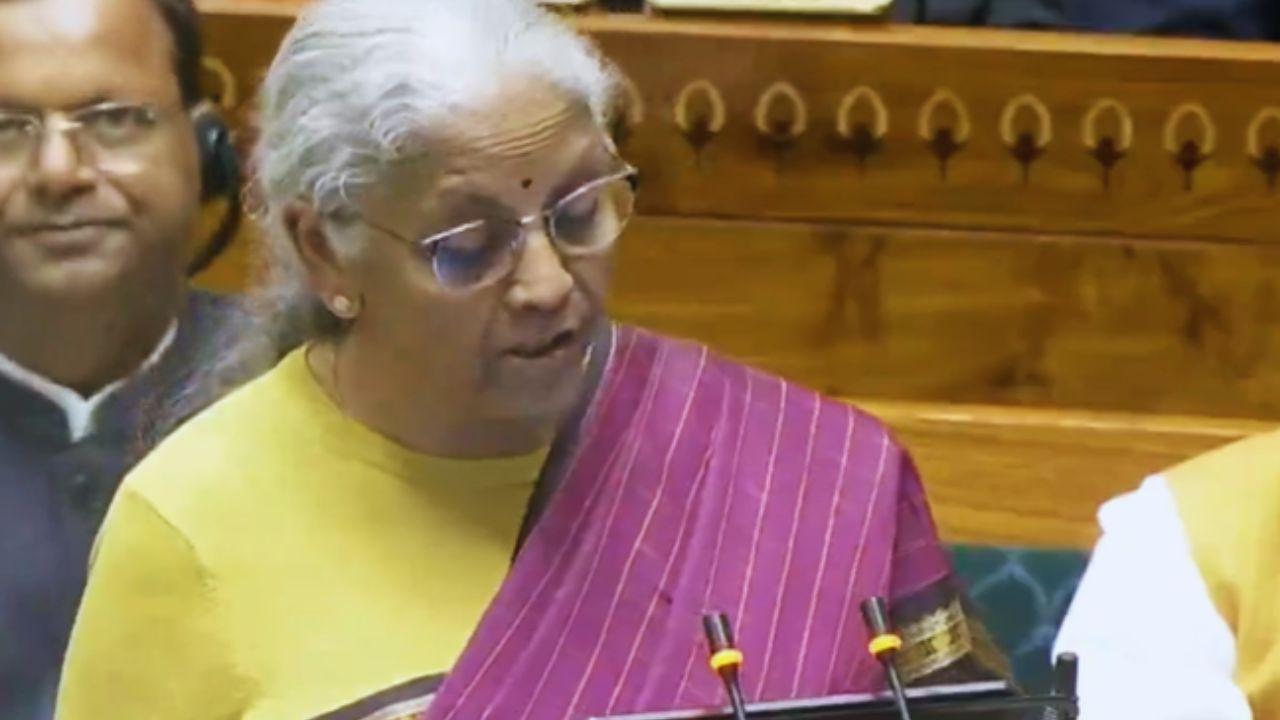
01 February,2026 04:17 PM IST | Pune | Archana DahiwalFinance Minister Nirmala Sitharaman on Sunday presented the Union Budget 2026 in the Lok Sabha, marking her ninth consecutive Budget and bringing her closer to the record of 10 Budgets presented by former Prime Minister Morarji Desai. In her speech, Sitharaman said the government is choosing the path of reforms over rhetoric and reaffirmed its commitment to steps aimed at making India a 'Viksit Bharat'. Here are the key highlights of Union Budget 2026: Union Budget 2026: 16th Finance Commission Report Finance Minister Nirmala Sitharaman laid the 16th Finance Commission report while presenting Union Budget 2026. The report outlines the formula for tax revenue devolution between the Centre and states for 2026–2031. Cesses and surcharges levied by the Centre are excluded from the divisible pool. Government’s focus on Union Budget 2026 Balancing fiscal consolidation with reform-led growth. Strengthening Centre-state financial coordination. Continuing steps toward sustainable development. Union Budget 2026: Finance Minister proposes 'rare earth corridors' for mineral-rich states The FM proposed 'rare earth corridors' for mineral-rich states, including Odisha, Kerala, Andhra Pradesh, and Tamil Nadu. These corridors aim to promote mining, processing, research, and manufacturing of rare earth elements. She highlighted that the Scheme for Rare Earth Permanent Magnets was launched in November 2025. The scheme has a financial outlay of Rs 7,280 crore and plans to establish 6,000 Metric Tons per Annum (MTPA) of integrated Rare Earth Permanent Magnet (REPM) manufacturing, enhancing India’s self-reliance and global market positioning. Biopharma Shakti Programme gets Rs 10,000-crore allocation FM Sitharaman announced the Biopharma Shakti programme to boost India’s biopharma sector, with an allocation of Rs 10,000 crore over five years. The initiative targets non-communicable diseases like diabetes and aims to develop India as a global biopharma manufacturing hub. The programme will focus on building an ecosystem for biopharma and biosimilars, fostering innovation and strategic growth in the sector. Strengthening regional economies, industrial clusters The Finance Minister proposed scaling up manufacturing in strategic and frontier sectors. Emphasis will be placed on developing city economic regions to strengthen regional economies and industrial clusters. Economic outlook and policy direction FM Sitharaman noted that India’s economic trajectory over the past 12 years has been marked by stability, fiscal discipline, sustained growth, and moderate inflation. She stressed the government’s commitment to action over ambivalence, reform over rhetoric, and Atmanirbharta (self-reliance) as a guiding principle. Going forward, India will focus on balancing ambition with inclusion, fostering growth while ensuring equitable development. Municipal bonds FM Nirmala Sitharaman proposed incentives of Rs 100 crore for single bond issuance by municipal corporations with borrowings of more than Rs 1,000 crore. The move aims to strengthen municipal financing and support urban infrastructure development. Public sector financial institutions The Finance Minister announced the restructuring of REC Ltd (formerly Rural Electrification Corporation) and Power Finance Corporation (PFC). These steps are part of the government’s plan to strengthen public sector financial institutions. Banking for 'Viksit Bharat' Sitharaman proposed the setting up of a high-level committee on ‘Banking for Viksit Bharat’. She highlighted that India’s banking sector has a strong balance sheet and is experiencing a historic high profitability. Foreign exchange management The Finance Minister proposed a review of foreign exchange management rules related to non-debt instruments. The move is aimed at streamlining regulations and improving the ease of investment. Poverty reduction Sitharaman noted that close to 25 crore people have come out of multidimensional poverty under government initiatives. This reflects progress in inclusive development and social welfare measures, she stated. Seven high-speed rail corridors as growth connectors between cities Mumbai to PunePune to HyderabadHyderabad to BengaluruHyderabad to Chennai Chennai to BengaluruDelhi to VaranasiVaranasi to Siliguri Investment and capital market reforms Individual Persons Resident Outside India (PROIs) will be allowed to invest in equity instruments of listed Indian companies through the Portfolio Investment Scheme (PIS). Tax on share buybacks will be treated as capital gains for all shareholders, though promoters will pay an additional buyback tax. Exemption from Minimum Alternate Tax (MAT) granted to non-residents paying tax on a presumptive basis. MAT proposed to be made a final tax, simplifying compliance. Set-off of available MAT credit allowed up to one-fourth of tax liability under the new tax regime. Tax reliefs Interest awarded by Motor Accident Claims Tribunals to natural persons will be exempt from Income Tax, with no TDS applicable. Time limit for revising income tax returns extended from December 31 to March 31 on payment of a nominal fee. Individuals filing ITR-1 and ITR-2 can continue filing returns till July 31, while non-audit business cases and trusts get time till August 31. Taxpayers will be allowed to update returns even after reassessment proceedings, with an additional 10 per cent tax over the applicable rate. One-time six-month foreign asset disclosure scheme proposed for small taxpayers with assets below a specified threshold. Immunity from prosecution, with retrospective effect from October 1, 2024, for non-disclosure of non-immovable foreign assets valued below ₹20 lakh. TDS and TCS rationalisation Tax Collected at Source (TCS) on overseas tour packages reduced to 2 per cent, down from 5 per cent and 20 per cent, without any threshold condition. TCS for education and medical expenses under the Liberalised Remittance Scheme (LRS) reduced from 5 per cent to 2 per cent. TDS on supply of manpower services to be levied at either 1 per cent or 2 per cent. TDS on sale of immovable property by non-residents to be deducted and deposited using the resident buyer’s PAN instead of TAN. Rule-based automated system to enable small taxpayers to obtain lower or nil TDS certificates. Depositories to be permitted to accept Form 15G and 15H from taxpayers holding securities across multiple companies. Compliance and decriminalisation measures Non-production of books of account and delays in TDS payments decriminalised. Framework for immunity from penalty and prosecution extended from under-reporting to cases of misreporting. Honest taxpayers opting to settle disputes can close cases by paying an additional amount in lieu of penalties. Customs and trade facilitation Basic Customs Duty (BCD) is exempted on 17 drugs and medicines used in cancer treatment. Single, interconnected digital window to be introduced for cargo clearance approvals. Customs Integrated System (CIS) to be rolled out over the next two years to streamline customs processes. Institutional and accounting reforms A Joint Committee of the Ministry of Corporate Affairs and the Central Board of Direct Taxes (CBDT) to be constituted to align Income Computation and Disclosure Standards (ICDS) with Indian Accounting Standards (IndAS). Education infrastructure push Five University Townships to be developed near major industrial and logistics corridors, aimed at strengthening industry–academia linkages and improving employability. Boost for Girls in STEM Education A girls’ hostel to be set up in higher education STEM institutions in every district to support increased participation of women in science and technology fields. Scientific research and space infrastructure Four Telescope Infrastructure facilities to be set up or upgraded to strengthen India’s capabilities in astronomy and scientific research.
01 February,2026 04:00 PM IST | New DelhiUnion Finance Minister Nirmala Sitharaman, while presenting the Union Budget 2026, highlighted the major relief initiative for victims of road accidents and their families. Sitharaman at Lok Sabha on Sunday announced that the interest accrued on motor accident compensation claims will be fully exempt from income tax, as per IANS. This proposal of exempting income tax aimed at ensuring that victims receive the complete amount of their claim without any deductions. This move will also eliminate Tax Deducted at Source (TDS) on such interest payments. The announcement came as part of broader tax relief initiatives in the budget, presented in Parliament for the ninth consecutive time by Nirmala Sitharaman. Under current provisions, interest components awarded by Motor Accident Claims Tribunals (MACT), often substantial due to delays in claim settlements, are treated as taxable income under the Income Tax Act. This has resulted in victims or their dependents losing a portion of the compensation to tax liabilities, sometimes forcing them to navigate complex refund processes or face reduced financial support for medical care, rehabilitation, and livelihood restoration. Exemption applies to interest awarded to individual claimants. The Finance Minister emphasised that the exemption applies specifically to interest awarded to a “natural person” (individual claimants), recognising the compensatory and humanitarian nature of these awards. Sitharaman further highlighted, "Any interest awarded by the Motor Accident Claims Tribunal to a natural person will be exempt from income tax, and any TDS on this account will be done away with," as per IANS. This change is expected to take effect for the financial year 2026-27, providing immediate relief in ongoing and future cases. Road accidents remain a major public health and economic challenge in India, with thousands of fatalities and injuries annually leading to prolonged legal battles for compensation. The delays in tribunal awards often inflate the interest component, intended to compensate for the time value of money and suffering endured. By removing the tax burden, the government aims to make the compensation more meaningful and victim-centric, aligning with efforts to improve ease of living and support vulnerable sections. Exemption on accident claims welcomed by experts This move has been welcomed by legal experts, victim rights groups, and insurance stakeholders, who argue it addresses a long-standing inequity. It prevents erosion of awards meant for rehabilitation and could encourage faster claim resolutions, as per IANS. The full exemption is poised to benefit lakhs of affected families, ensuring that justice in motor accident cases is not diminished by fiscal deductions. (With inputs from IANS)
01 February,2026 03:59 PM IST | Mumbai | mid-day online correspondentADVERTISEMENT