shot-button
BMC Elections 2026 BMC Elections 2026
Home > Lifestyle News > Culture News > Article > Top trends to leave behind in 2025 in culinary beauty and design

Top trends to leave behind in 2025 in culinary, beauty, and design

Updated on: 30 December,2025 03:03 PM IST  |  Mumbai
Maitrai Agarwal | maitrai.agarwal@mid-day.com

Be it culinary or fashion, latest trends might spread like wildfire, but they go as easily as they come. Industry experts and influencers reveal the one trend they wish is left behind in 2025

Top trends to leave behind in 2025 in culinary, beauty, and design

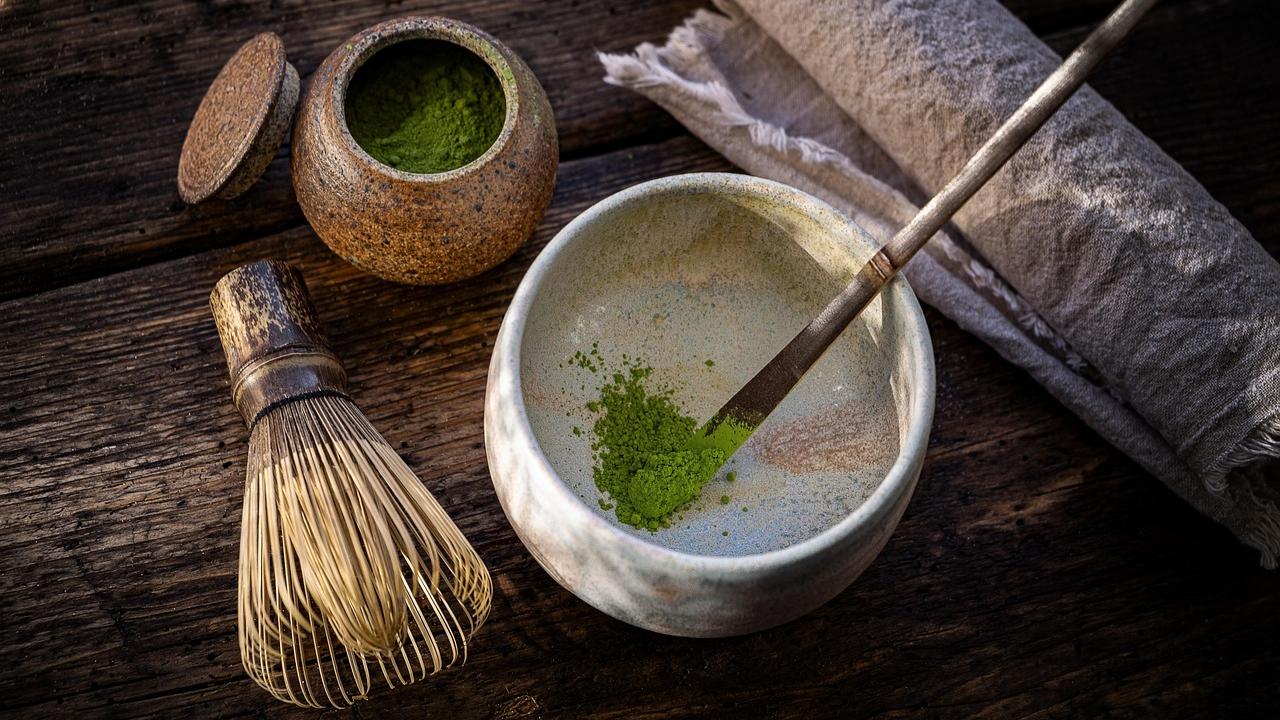
Image for representational purpose only. Photo Courtesy: File pic

Trends, by their very nature, spread with the intensity of a wildfire. They capture our collective imagination, dominate our social feeds, and dictate our lifestyles—until, just as suddenly, they burn out. As we close the chapter on 2025, the dust is finally settling on a year defined by viral aesthetic dominance and high-octane fads. From neon-drenched burgers to sterile, lab-like living rooms, the pressure to live a life curated for the lens has reached a breaking point. 

A growing number of people are inclining towards leaving behind the restrictive, the superficial, and the performative. Whether it’s reclaiming the soul of local travel or ditching the rigid rules of the ‘clean girl’ look, the shift toward 2026 is clear: we are trading manufactured perfection for authentic reality. 


Culinary: When aesthetics eclipse appetite
For Vedant Newatia, founder and head chef at Atelier V and Masala Code, the most frustrating trend is the ‘rave-ification’ of basic daily rituals. He is particularly skeptical of the rise of morning and coffee raves.


"I do not understand why a simple routine has turned into a pre-breakfast party. Coffee is meant to ease you into the day, not throw you into flashing lights before you are fully awake. The manufactured ‘club energy’ has even bled into professional environments, with kitchen raves featuring DJs behind the line. This feels unnecessary, a kitchen already possesses a natural rhythm that loud music and strobe lights only serve to disrupt,” says the chef. 

Beyond the atmosphere, he targets ingredient-led fads like Matcha and Boba tea. While visually striking, Newatia argues, “Their popularity is inflated rather than being grounded by flavour profiles or a ritual that would sustain itself." Most critically, he hopes to see the end of ‘Instagram-first’ recipes. “Dishes like fried chicken burgers dripping in neon sauces that look dramatic on camera but collapse the moment you think about taste. For classically trained chefs, the focus remains on technique and balance, not just the money shot for a reel,” he concludes. 

Beauty: Breaking the "clean girl" rulebook
In the beauty world, influencer Honey Sheth is ready to reclaim the fun in makeup by ditching the ‘clean girl’ aesthetic. What began as a refreshing pivot toward minimal, skin-first beauty has, according to Sheth, devolved into a rigid and judgmental rulebook.

"At some point, makeup stopped feeling fun and started feeling restrictive. The pressure to look effortlessly perfect with glossy skin and neutral tones created an environment where colour felt too much and drama felt outdated. Clean girl beauty quietly told people that doing more was unnecessary, even wrong. Expression took a backseat to looking polished and acceptable," she explains.

Sheth argues that makeup is a form of rebellion, confidence, and emotion—not a uniform. “Artists like Sofia Sinot and pop culture icons like Zara Larsson are the vanguard of a new movement: one where bold eyes, graphic liners, and unconventional colour stories allow for personal freedom,” she notes. Her hope for the future? “Barely-there skin and bold pops of colour can finally coexist without the shadow of a trend telling us which one is correct."

Wellness: Moving beyond the "quick fix"
Dr Rohan Goyal, founder and regenerative medicine specialist at Nuvana, is advocating for an end to the ‘one-size-fits-all’ obsession. As wellness became a buzzword in 2025, it unfortunately became synonymous with shortcuts: viral detox teas, extreme 7-day cleanses, and generic supplements.

"The reality is far more unachievable—and often counterproductive. These trends, driven by viral before-and-after transformations, ignore individual physiology,” Goyal warns. He notes that the human body does not respond uniformly to the same treatment, “Something marketed as wellness may end up creating stress or dependency on products rather than building long-term vitality."

The expert points out that common issues like fatigue or inflammation are rarely isolated, and they are often symptoms of deeper metabolic or hormonal imbalances. “Treating them with a generic cleanse delays effective management,” he cautions. As we move forward, Goyal hopes wellness shifts toward informed, personalised, and integrative treatments that allow the body to truly regenerate and restore over time.

Travel: Reclaiming local identity
Travel blogger Divyakshi Gupta is on a mission to end the comparison trap. She tells us how irksome the pervasive trend of introducing Indian destinations as ‘the [foreign place] of India’.

She elaborates, "I see reels introducing Khajjiar as the 'Mini Switzerland of India' or Coorg as the 'Scotland of India’. This trend has even led to local names being silenced. In the Tirthan Valley, natural pools known locally as Kulhi Katandi are being rebranded by tourists and creators as ‘Mini Thailand.’” 

Gupta urges a shift in perspective, "Each Indian place has a unique, distinct identity and that identity should be respected. Content creators should stop using these foreign comparisons as clickbait and instead create awareness of the rich, local cultures that make these destinations stand out on their own merits. If we don’t own these places as our own, who will?"

Interior Design: The death of the clinical home
Rohan Jain, director at RJ Projects, is ready to see the end of ultra-minimal homes that feel more like laboratories than living rooms. 

“While minimalism offers a sense of calm, the extreme version—characterised by limited colours, a lack of texture, and hard finishes—often feels distant and impersonal. When a home begins to resemble a show apartment rather than a lived-in space, it becomes difficult to truly relax. This is particularly true in the Indian context, where homes are vibrant hubs for multi-generational families and constant hosting. Ultra-minimalism forces residents to constantly edit themselves, leaving no room for the books, artwork, and memories that people naturally collect,” Jain observes.

His vision for 2026 is ‘Human Minimalism’. He believes that clean layouts should be supported by thoughtful materials and personal elements. "Good design isn’t about removing everything, it’s about making choices that support the people who live there,” he concludes. 

The common thread across these industries is a desire for substance over surface. As these experts suggest, the most sustainable trend for the coming year isn't a specific colour or a new superfood—it’s the freedom to be authentic, personal, and grounded in reality.

"Exciting news! Mid-day is now on WhatsApp Channels Subscribe today by clicking the link and stay updated with the latest news!" Click here!

Did you find this article helpful?

Yes
No

Help us improve further by providing more detailed feedback and stand a chance to win a 3-month e-paper subscription! Click Here

Note: Winners will be selected via a lucky draw.

Help us improve further by providing more detailed feedback and stand a chance to win a 3-month e-paper subscription! Click Here

Note: Winners will be selected via a lucky draw.

indian food Food and drink Food Lifestyle news Beauty culture news

Mid-Day Web Stories

Mid-Day Web Stories

This website uses cookie or similar technologies, to enhance your browsing experience and provide personalised recommendations. By continuing to use our website, you agree to our Privacy Policy and Cookie Policy. OK