











With the Union Health Ministry advisory to highlight hidden fats and sugar content in snacks like samosas and pizzas, medical experts, nutritionists and consumers discuss that it might be just what the doctor ordered

Sweets like jalebis and pastries can cause excess calorie intake without providing satiety. REPRESENTATION PIC/ISTOCK
Fast food items and snacks like pizzas, samosas, burgers, vada pavs as well as soft drinks and pastries may keep your taste buds happy, but they aren’t health-friendly. To drive home this point, the Union Health Ministry recently issued an advisory urging government departments, offices and public institutions to install ‘Oil and Sugar Boards’ in common areas, displaying key information about hidden fats and sugar content in popular food items.
The advisory comes in light of the rising obesity rates in India, with excessive oil and sugar consumption being key contributors among unhealthy food habits driving this surge. According to the National Family Health Survey (NFHS)-5 (2019-2021), 24 per cent of Indian women and 23 per cent of Indian men were overweight or obese, as compared to 21 per cent and 19 per cent, respectively, in NFHS-4 (2015-16).
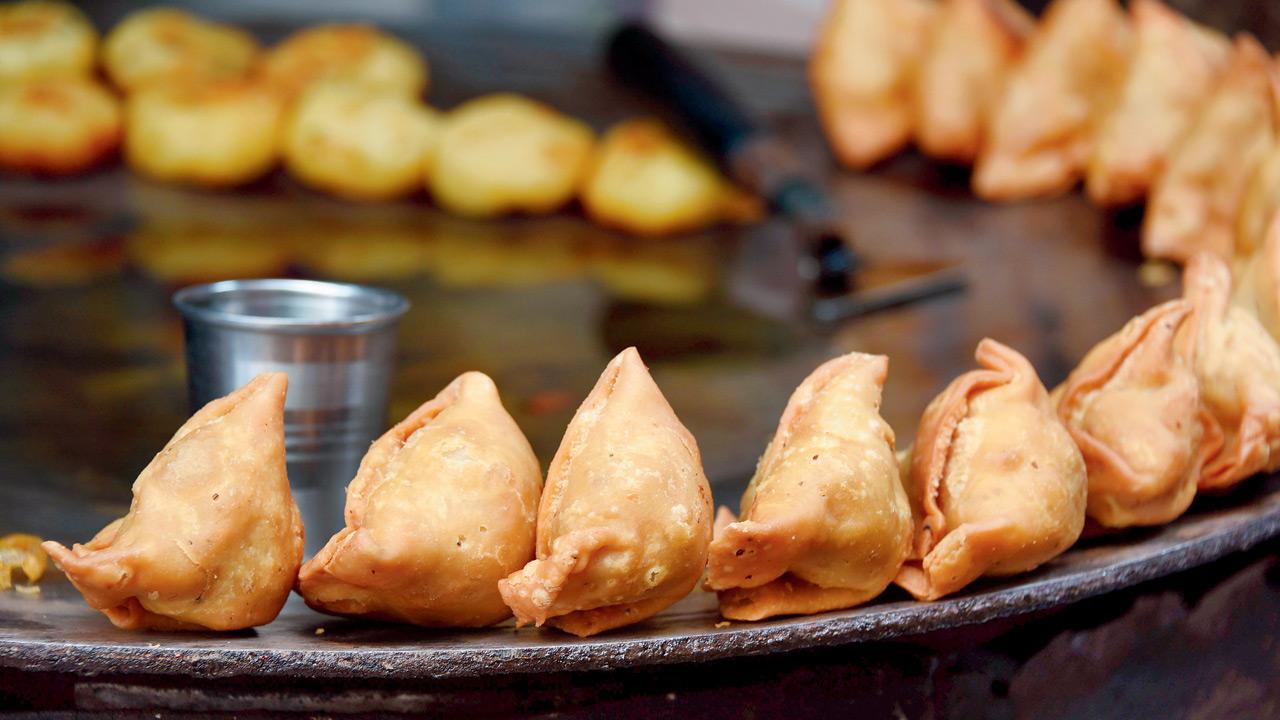
Experts agree that moderation is key when it comes to fried snacks
In May 2025, the Central Board of Secondary Education (CBSE) had issued a similar directive urging schools to install ‘Sugar Boards’ to monitor and reduce sugar intake among students, to promote healthier eating habits.
Oil and sugar health culprits
Medical and health experts have welcomed this move, stating consumption of excessive oil and sugar can contribute to several non-communicable diseases like obesity, heart problems, and diabetes, among others.
“Regular or excessive intake of snacks high in oil, fat and sugar content can lead to an increase in cholesterol levels, cause weight gain, leading to obesity, and other lifestyle disorders like diabetes and cardiovascular diseases,” says Rajeswari V Shetty, HOD – Dietetics at SL Raheja Hospital.

(L) Dr Aparna Govil Bhasker; (R) Rajeswari V Shetty
Stressing particularly on the harmful effects of processed sugar, Mumbai-based nutritionist Dhvani Shah, says, “It causes cellular damage. Cells degenerate faster, as a result of which the body breaks down faster than it is repaired and goes into a disease state.”
Obesity is a very common and direct consequence of consuming foods high in oil or sugar content. Mumbai-based bariatric surgeon Dr Aparna Govil Bhasker explains, “High-fat and high-sugar foods are calorie-dense but low in nutrients, leading to excess calorie intake without providing satiety. Over time, routine consumption of these foods can cause weight gain and increase in visceral obesity. This leads to insulin resistance, and increased body fat which can make a person prone to developing multiple metabolic health issues.” Bhasker adds how food habits play an important role in causing and controlling obesity, “Obesity is a chronic and complex disease. Though we cannot control our genetics, we can regulate our diet and lifestyle. Food habits play a pivotal role, as poor dietary choices can contribute to weight gain. Conversely, balanced and mindful eating is key to prevent and manage the condition.”
Heart of the matter
Your heart is also not protected from the adverse effects of consuming such food items regularly. “Rise in bad cholesterol levels and blood sugar, and weight gain caused by regular consumption of these foods can put excessive pressure on the heart. It is like feeding your body empty fuel that clogs your engine. Over time, this can cause blocked arteries, high blood pressure, and even, heart attacks,” warns Dr Parin Sangoi, interventional cardiologist at Wockhardt Hospitals.
 Dr Parin Sangoi
Sangoi suggests opting for a balanced diet of fruits, vegetables, whole grains, and healthy fats to support heart function and manage blood pressure: “Think of your meals as an investment in a stronger, healthier heart.”
A bold move
Given the potential health risks of these everyday snacks, experts reiterate the need to raise awareness about nutritional contents, along with recommended intake level of oil and sugar. “Installing ‘Oil and Sugar Boards’ is a bold and necessary move. Most people don’t realise how much oil, sugar or salt is present in everyday snacks. Displaying this information will raise awareness and might encourage people to make healthier choices. It is not about banning foods but about being informed,” maintains Dr Sangoi.
Dr Bhasker agrees, terming it as a progressive step toward transparency and public awareness. “With lifestyle diseases and obesity on the rise, especially among youth and children, such warnings can help people make informed food choices. These boards may encourage moderation and discourage overconsumption of high-calorie, nutrient-lacking foods.”
 Dhvani Shah
Shah feels that displaying oil and sugar content will open people’s eyes on what goes into their food. “Most people think occasional snacking of pizza, samosa, biscuits and chips, once in a while is okay. But most of them end up consuming such foods every second day, which adds up to a lot over a period of time. Displaying this information may lead to reduced consumption,” she says. Shetty recommends displaying salt content as well, to create awareness that can lead to moderation and better eating habits.
Public support
Mumbai commuters, food vendors, and college students have also termed the initiative as essential to raise awareness. “It will help people gain knowledge about what they’re eating and make them more health-conscious. People are keen to learn and adopt healthier habits,” said Sunita Chaughule, a daily commuter on the Borivali–Churchgate route. Another Western Railway commuter, Jai Lopes, welcomed the move, stating the need to highlight unhealthy cooking practices across the board. “The oil is reused repeatedly; it’s like slow poison. This is a good step by the government,” she said.
Students from Don Bosco Institute of Technology in Kurla, Nisha Singh, Sumit Shinde, Myron Dias and Roshelle Rozario, believe that such awareness on a wide scale can benefit the youth. “Today’s youth lead fast-paced lives and often turn to junk food sold at railway stations, college canteens, and fast-food stalls. The consumption of oil and sugar is high among students. Such initiatives will push everyone to take their health more seriously and prevent long-term health issues.”
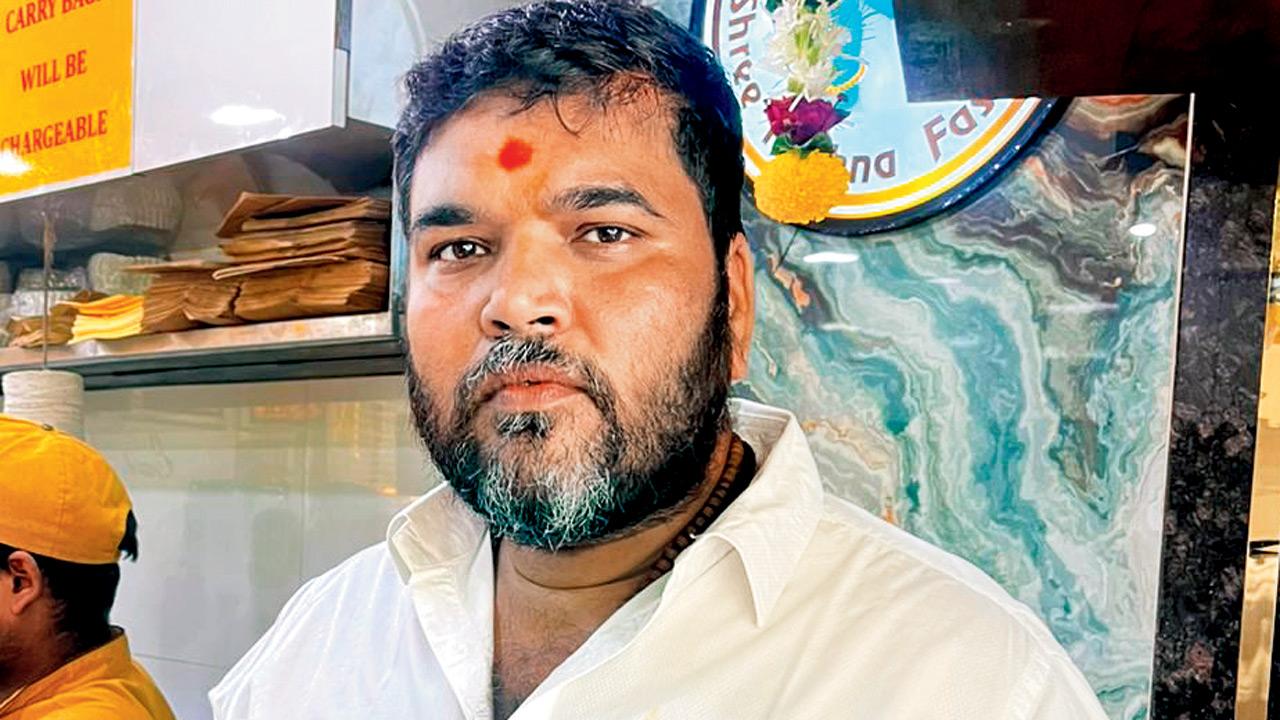 Anand Kumar Mishra
Some food vendors, too, have responded positively. Anand Kumar Mishra (42), who runs Shree Krishna Fast Food Stall at Bandra East, and sells nearly 1000 vada pavs and 500 samosas daily, called this a much-needed step. “People will become aware of what they are consuming and start taking their health seriously,” he said.
Healthy options
Nutritionists suggest opting for moderation, rather than elimination. “If you consume oil, sugar or salt, in a balanced proportion, the body is able to process it because it is in proportion with other nutrients like fibres, proteins and vitamins,” stresses Shah, adding that while sugar is best avoided in its processed form, the recommended level of oil and fats that one can consume in a day is 10 ml to 30 ml, depending on the requirements of the body.
Shetty shares healthier alternatives: “For example, pizza is high in fat and loaded with calories. However, if made with a healthy multigrain thin-crust base, lots of veggies, and less cheese, it can be nutritionally better.”
Healthier snacks: Fruits/dry fruits/curd/roasted popcorn/roasted makhana/roasted chana
About the Union Health Ministry advisory
>> The advisory proposes installation of ‘Oil and Sugar Boards’ in government workplaces as an initiative to promote healthier dietary habits.
>> These boards are to display key information about hidden fats and sugars in everyday foods.
>> It also proposes printing of health messages on all office stationery and publications to serve as daily reminders for fighting obesity.
>> It encourages promotion of healthy meals and physical activity in offices through nutritious food items, and organising workplace initiatives to promote health and wellness.
 Subscribe today by clicking the link and stay updated with the latest news!" Click here!


