


Rise in diseases despite ‘better’ water supply; experts blame poor testing, patchy supply leaving slum residents dry and disease-hit. Water quality in the city has shown improvement in 2024 compared to 2020 according to a recent report released by Praja Foundation on Mumbai’s civic and environmental issues
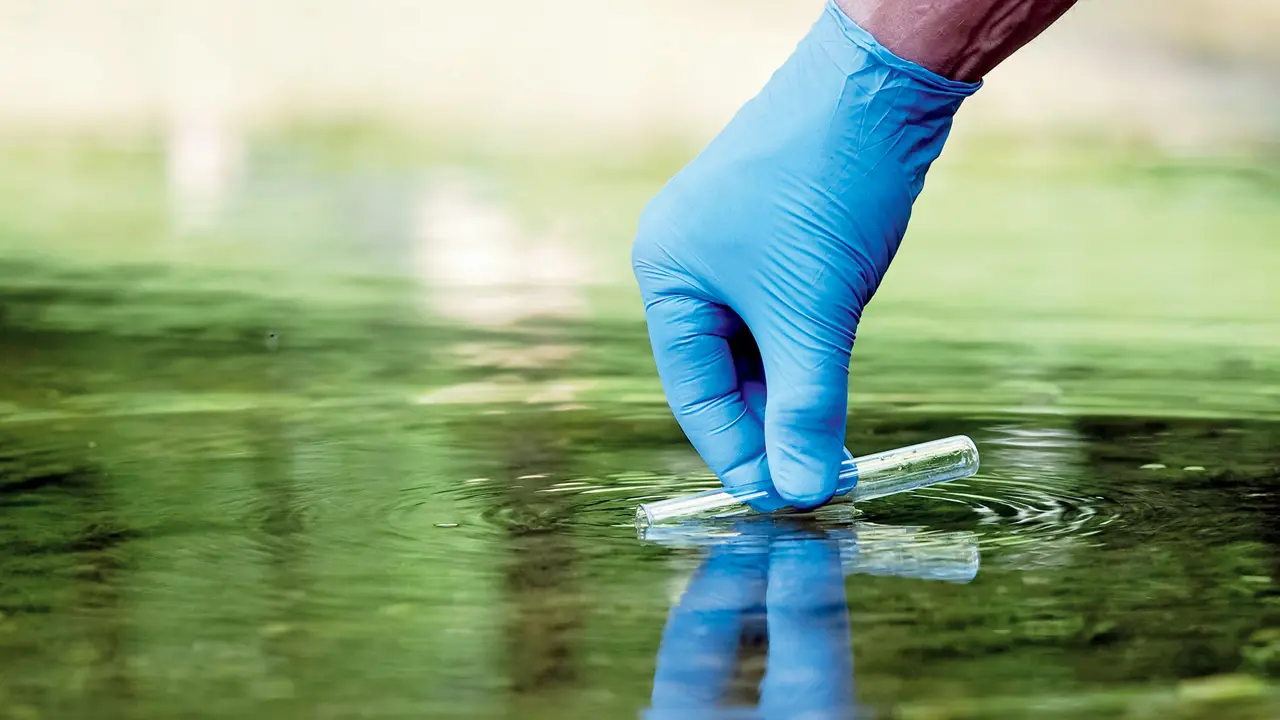
Mumbai’s water supply system suffers from significant disparities in distribution. Representation pic/istock
Water quality in the city has shown improvement in 2024 compared to 2020 according to a recent report released by Praja Foundation on Mumbai’s civic and environmental issues. Only 107 samples out of the 32,877 tested across the city’s 25 wards were declared unfit for consumption last year. However, complaints registered in the Centralised Complaint Registration System (CCRS) rose from 1369 in 2020 to 2083 in 2024.
Surprisingly, despite this, the city has witnessed a sharp rise in diarrhoea and cholera cases (both water borne diseases) in 2023 compared to 2019, As per the report, diarrhoea cases increased by 19 per cent, from 93,671 in 2019 to 1,11,928 in 2023, while cholera cases rose by a staggering 114 per cent, from 11 to 114 during the same period. This has raised a key question: Why are waterborne disease cases increasing despite improved water quality? And why are more people complaining about water issues?
"Raising the same concerns, we recommend that the BMC collect more water samples, especially from areas with higher instances of contamination, to understand what is causing people to fall ill. So far, only 32,877 samples have been collected across 25 wards throughout the year. That’s around 1316 samples per ward annually, or roughly 109 samples per ward per month. This level of sampling is clearly insufficient, considering the rising diarrhoea and cholera cases citywide," said Mahesh Bhaskar, research associate at Praja Foundation.
Ward-wise performance
The D Ward, which includes areas like Grant Road, Tardeo, Malabar Hill, Nagpada, Gamdevi, and VP Road, did not report a single case of diarrhoea or typhoid in 2023. On the other hand, G/South Ward, comprising Worli, Prabhadevi, Mahalaxmi, and Lower Parel, reported the highest number of diarrhoea cases (7839). K/East Ward, which includes Andheri East, Vile Parle East, and Jogeshwari East, recorded the highest number of typhoid cases (359) among all wards.
Possible reason
Mumbai’s water supply system suffers from significant disparities in distribution. The city receives 4370 MLD of water daily, but due to pipeline losses, only 3975 MLD reaches consumers. Although Mumbai's per capita water supply exceeds national norms, as prescribed by the Urban and Regional Development Plans Formulation and Implementation (URDPFI) guidelines, the distribution is uneven.
Residents in slum areas receive only around 45 litres per person per day, while non-slum areas get 135 litres. Slum households often depend on expensive private water tankers, paying Rs 729 per month compared to Rs 28.62 for metered users. Only 8 per cent of the city receives a 24x7 water supply; the average is just 5.37 hours per day.
Of the total water supply-related complaints, 59 per cent were about shortages and contamination (6436 and 2083, respectively, out of 14,522). These issues mirror the health data, which logged over 1.1 lakh diarrhoea cases in 2023. Uneven metering and the underutilisation of the water department's capital expenditure, only 69 per cent of R5058 crore was spent in 2023–24, reflect serious gaps in planning and accountability. "This has ultimately impacted public health," said Milind Mhaske, CEO, Praja Foundation.
 Subscribe today by clicking the link and stay updated with the latest news!" Click here!