Do you know what the stars hold for you in terms of love life, career, business and personal wellness today? Well, read on to know your astrological predictions as per your zodiac sign for April 3. Aries March 21 – April 20Today favours financial decisions. Have faith. Don’t be anxiously agitated. Take better care of health.Cosmic tip: Go slow. Take your time about any decision to be made. TaurusApril 21 – May 20Carefully consider how to promote an idea before talking to the boss. Regularly make time for yourself.Cosmic tip: Look within to find answers to oft thought of questions. GeminiMay 21 – June 21True friends are hard to find; appreciate those who fit this framework. Business/work related travel is revealed. Cosmic tip: Thank the universe for this wonderful day. Cancer June 22 – July 23A breakthrough is expected soon which simplifies life and circumstances; but you must continue with changes made. Cosmic tip: Be prepared for sudden and unavoidable expenses. Leo July 24 - Aug 23Trying not to get too involved in socialising can be a cautious path to travel since friends may be offended. Complete work with total focus.Cosmic tip: Nurture the spiritual side of your personality. Virgo Aug 24 – Sept 23A major change in life is headed your way. Accept this gracefully. Get enough sleep.Cosmic tip: Heal yourself by imagining the universal white light coursing through your body through the top of the head. Libra Sept 24 – Oct 22Being aware of how interactions with people are conducted just makes life easier to handle.Cosmic tip: Continue being a beacon for others and a bright light to follow. Scorpio Oct 23 – Nov 22Control how you think, so the mind and reality doesn’t get limited by your thinking. Two relatives get in touch.Cosmic tip: Lie back. Rest. Relax for a good portion of the day if possible. Sagittarius Nov 23 – Dec 22This is a time for healing and letting go of what no longer serves any purpose. Cosmic tip: Cross bridges when you come to them instead of mentally worrying about some scenarios. Capricorn Dec 23 – Jan 20Dealing enthusiastically with new work helps give better than the best of your capabilities.Cosmic tip: Understand restrictive circumstances will not stay forever. Aquarius Jan 21 – Feb 19Stalled projects move ahead at top speed. Consciously strengthen a relationship. Take care of health.Cosmic tip: Allow life to move forward by not remaining attached to the past. Pisces Feb 20 – March 20A relationship becomes stronger and more loving as exchange of ideas at regular intervals builds more trust. Cosmic tip: Keep a maintainable balance between materialism and spirituality.
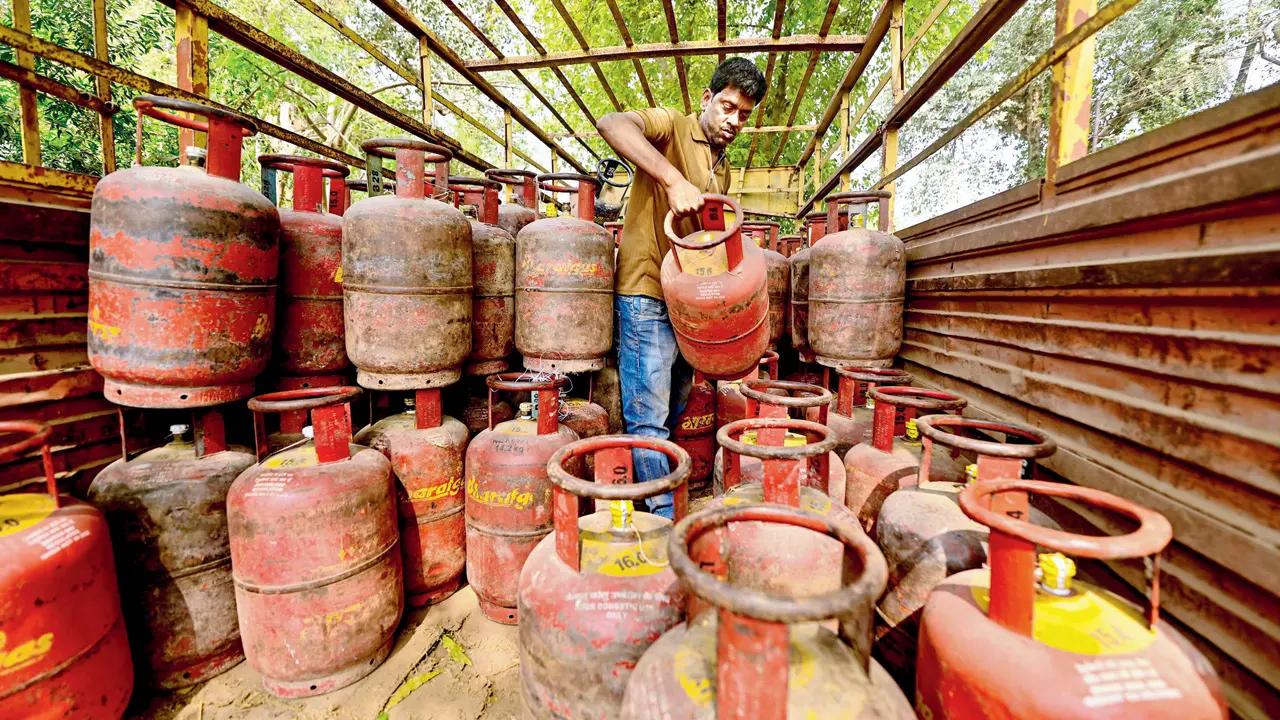
03 April,2026 03:35 AM IST | Mumbai | Shirley BoseThe Maharashtra government has directed all district collectors to follow a revised priority-based system for distributing limited stocks of commercial (non-domestic) LPG cylinders, in line with fresh guidelines issued by the Union Ministry of Petroleum and Natural Gas. In an official letter issued on Thursday, the state Food, Civil Supplies and Consumer Protection Department asked district administrations to allocate LPG as per the updated priority list prepared by the Centre. This follows an increase in overall allocation to states, now being raised to 70% of pre-crisis levels in phases. The revised priority order aims to ensure that essential services and critical sectors receive preferential supply amid ongoing constraints. Priority sectors for commercial LPG allocation 100 per cent priority (full allocation) Hospitals (government and private)Educational institutions and hostelsPublic service institutions (police stations, jails, etc.) 90 per cent priority Restaurants, dhabas, hotels and similar establishmentsReligious places and community functions 80 per cent priority Government services 40 per cent priority Industrial units (steel, automobile, textile, chemicals, plastics, etc)Process industries requiring LPG for specialised heating where PNG is not feasible 20 per cent priority Community kitchensSmall businesses, bakeries, sweet shops, dyeing units, auto repair garagesOther non-essential commercial and industrial users The government has also mandated that all commercial and industrial LPG consumers register with oil marketing companies (OMCs) and apply for piped natural gas (PNG) connections wherever available to avail the enhanced quota. District collectors have been asked to coordinate with distributors and ensure strict compliance to prevent misuse or diversion. The directive also emphasises promoting PNG to reduce dependence on LPG in the long term. Officials have urged stakeholders to use LPG judiciously and avoid hoarding.
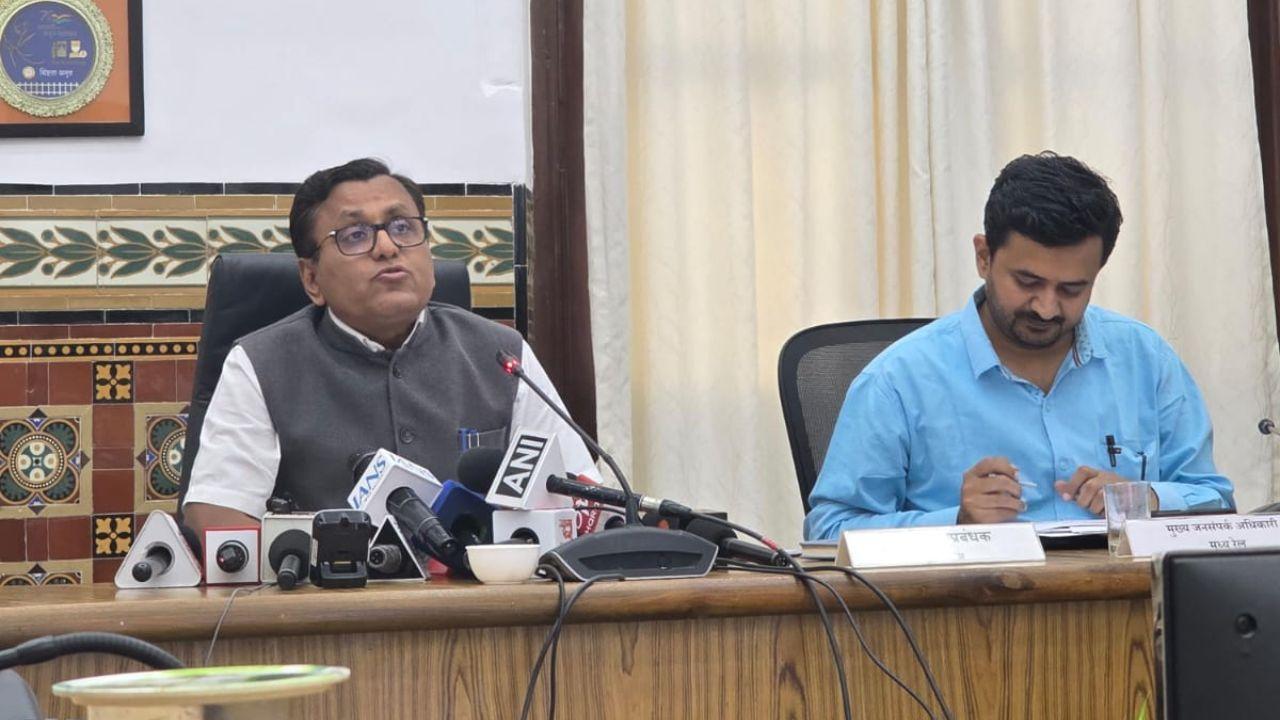
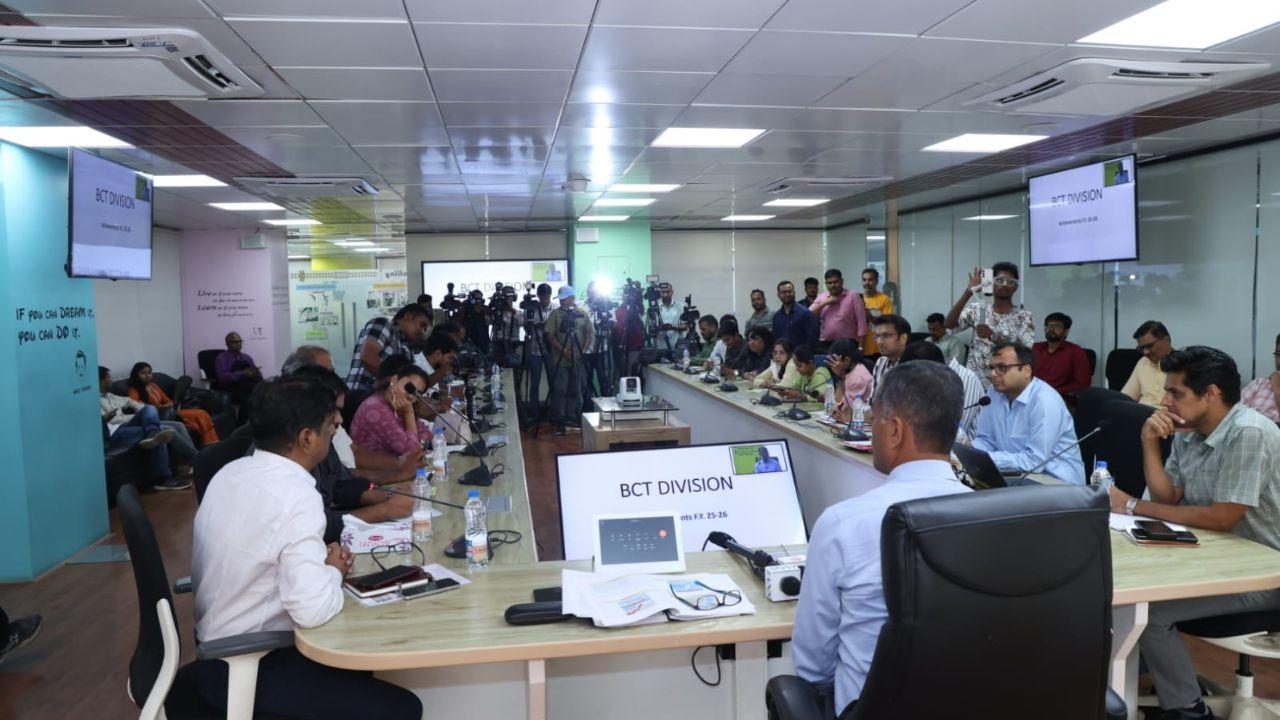
02 April,2026 11:21 PM IST | MumbaiCentral Railway (CR) on Thursday said it has enhanced passenger amenities and capacity by adding new trains, including Vande Bharat Express and Amrit Bharat Express, and expanding AC suburban services. Major infrastructure works worth over Rs 16,000 crore are currently underway, while extensive preparations for the Nashik Kumbh Mela include 90 projects valued at Rs 1,455 crore. The network aims to be fully ready by March 2027, with faster and higher-capacity services. Central Railway’s CPRO, Dr Swapnil Nila, spoke about preparations and crowd management for the Nashik Kumbh Mela, stating that significant improvements have been made in passenger amenities. “In 2025 alone, seven new trains were introduced, including a Vande Bharat service between Nagpur and Pune, and two Amrit Bharat trains connecting Panvel to Alipurduar and Lokmanya Tilak Terminus to Saharsa,” he said. He added that, to enhance suburban travel, 12 projects worth over Rs 16,000 crore are currently underway. “On the Harbour Line, 14 new AC local trains have been added, taking the total number of AC locals across the network to 94,” Dr Nila said. For the upcoming Kumbh Mela, extensive preparations are in progress. “Around 90 projects worth Rs 1,455 crore are being implemented to upgrade facilities in Nashik and nearby towns,” he added.
02 April,2026 11:08 PM IST | Mumbai | mid-day online correspondentMumbai’s suburban railway network on the Western Railway (WR) is witnessing a curious post-pandemic trend: daily ridership remains below pre-Covid levels, yet revenue has not only recovered but surpassed earlier figures, largely driven by AC local trains. WR operates as many as 133 AC local trains on its suburban section. According to the latest data, WR’s general suburban services carried an average of 34.87 lakh passengers daily before Covid, generating about Rs 2.12 crore in daily revenue. In contrast, current figures show 29.52 lakh daily passengers, but higher earnings of Rs 2.39 crore per day. WR Mumbai Divisional Railway Manager Pankaj Singh attributed the increase in earnings to a change in passenger mix, with more commuters opting for AC EMUs. “In March 2026 alone, about 53.71 lakh passengers used AC locals. There has been a noticeable rise in commuters opting for first-class and AC local services, which yield higher fares,” he said. Additionally, stricter enforcement against ticketless travel has improved compliance and contributed to higher collections. Another factor is changing post-pandemic travel behaviour. With hybrid work models still in place, the number of daily office commuters, once the backbone of suburban traffic, has not fully rebounded. At the same time, occasional and non-regular travellers are more likely to purchase single tickets instead of heavily subsidised monthly passes, improving per-passenger revenue. Singh also pointed to the growth of the Mumbai Metro system and the expansion of the road network, which are gradually offloading the dense crush load from the Mumbai suburban network, particularly among those willing to pay for more comfortable journeys. Despite the dip in ridership, WR’s suburban system appears to be moving toward a more revenue-efficient and comfortable model, where higher yield per passenger offsets lower volumes.
02 April,2026 11:06 PM IST | Mumbai | Rajendra B. AklekarAmid allegations that Praful Patel and Sunil Tatkare attempted to take over the NCP following the death of then Maharashtra Deputy Chief Minister Ajit Pawar, his son Parth Pawar on Thursday dismissed the reports targeting the two senior leaders as “baseless and speculative”, news agency PTI reported. Such narratives were "nothing but fiction", he said in a statement, claiming that attempts were being made to drag these respected leaders into "manufactured controversies". Patel and Tatkare have demonstrated decades of commitment and leadership that continue to guide the party, Parth said, adding, "Such unfounded allegations are deeply unfortunate and must be called out." Parth’s statement came amid speculation that his mother and Deputy Chief Minister Sunetra Pawar was upset with Patel and Tatkare. Rohit Pawar claims Sunetra informed ECI of her appointment as party chief NCP (SP) leader Rohit Pawar claimed last week that Sunetra Pawar had written to the Election Commission of India on March 10, informing the poll body about her appointment as party president and stating that any earlier communication received from the party after her husband Ajit Pawar’s death in an air crash on January 28 should be ignored. According to political grapevine, Sunetra Pawar was not convinced by the clarification Patel and Tatkare gave regarding a letter sent to the ECI before she took over as party chief. Rohit Pawar alleges Patel, Tatkare sought control through ECI communication Patel and Tatkare had written to the ECI on February 16, informing it that the party constitution had been amended and that all powers had been given to working president Praful Patel, Rohit Pawar claimed, alleging that they were trying to seize control of the party. Meanwhile, the four-page letter purportedly written by Sunetra Pawar informing the ECI about her appointment as party chief has surfaced on social media. Tatkare and Patel are mentioned in the letter without any designations, leading to speculation about their status in the organisation. NCP spokespersons did not respond to calls seeking comment on the letter. Notably, Sunetra Pawar visited Delhi on Thursday, and the absence of Patel and Tatkare with her raised eyebrows. A senior party leader said she is still a member of the Rajya Sabha and attended Parliament, as Thursday was the last day of the Budget session. (With PTI inputs)
02 April,2026 11:00 PM IST | Mumbai | mid-day online correspondentConstruction on the 21-kilometre tunnel, part of India’s first bullet train corridor, has reached a key milestone, with five kilometres fully excavated using the New Austrian Tunnelling Method (NATM). With excavation now complete in this section, work has progressed to the next stages of tunnel development, focusing on structural strengthening and long-term durability. Inside the tunnel, a drainage system is being installed using a drainage casting gantry to ensure that seepage water is efficiently collected and channelled through a dedicated network. Waterproofing gantries are also being deployed to install specialised membranes, creating a protective barrier against water ingress. Reinforcement bar cages are being placed along the tunnel profile, forming the steel framework required for the final concrete lining. This is followed by the lining gantry, which casts the permanent concrete layer, providing structural strength and a smooth internal finish. In addition, dedicated equipment rooms are being constructed to house critical systems required for tunnel operations and maintenance. With work progressing steadily across stages, the underground stretch of India’s first bullet train project is moving closer to completion.
02 April,2026 10:51 PM IST | Mumbai | A CorrespondentIn a major boost to intra-city connectivity, the Navi Mumbai Municipal Corporation (NMMC) on Thursday inaugurated a crucial arm flyover connecting Palm Beach Road to the Sion-Panvel Highway in Vashi. The flyover, located at Sector 17, was inaugurated by Maharashtra Forest Minister Ganesh Naik in the presence of Mayor Sujata Patil and other civic officials. Direct route to Pune, less detour The 290-metre-long and 6.5-metre-wide flyover has been constructed at a cost of Rs 18.32 crore. It provides a direct link for motorists travelling from Palm Beach Road towards the Sion-Panvel Highway, a key route for Pune-bound traffic. Until now, commuters had to take a longer detour via Sanpada, often adding 10–15 minutes to their journey. Relief for daily commuters Officials said the new arm is expected to significantly reduce travel time, fuel consumption, and congestion at key junctions near Vashi. Speaking at the inauguration, Naik termed the project a “practical solution” to existing gaps in Navi Mumbai’s road planning and praised the officials involved in conceptualising and executing the project. First ride by rider with disability In a symbolic gesture, the first ride on the flyover was undertaken by a rider with disability, Vaibhav Thakur, who was felicitated at the event. Engineers and team felicitated NMMC also honoured engineers and project stakeholders, including City Engineer Shirish Aradwad and the team overseeing the flyover’s construction. Big boost to traffic planning Civic officials believe the flyover will play a key role in streamlining traffic movement in Vashi and improving overall urban mobility in Navi Mumbai.
02 April,2026 08:51 PM IST | Navi Mumbai | Abhitash SinghThe Supreme Court has taken a serious view of the violence and intimidation faced by seven judicial officers, including three women officers, who are deployed to adjudicate claims in the Election Commission’s Special Intensive Revision (SIR) process in West Bengal’s Malda district. Describing the incident as a brazen and deliberate attempt to obstruct the administration of justice, a bench led by Chief Justice Surya Kant expressed concern that despite prior intimation, state authorities did not act promptly, leaving the judicial officers without protection, food, or water for several hours, news agency ANI reported. The apex court has issued show-cause notices to senior state officials, including the chief secretary, home secretary, and director general of police, over their inaction. It also directed the ECI to requisition and deploy adequate Central forces to ensure the safety of judicial officers and the smooth conduct of the SIR adjudication process. Further, it mandated strict security arrangements at all venues, restricted public entry, and ordered an immediate assessment of any threat perceptions faced by the officers or their families, ANI reported. Compliance reports have been sought, and officials have been directed to remain virtually present at the next hearing. “We are extremely disappointed to note these developments. Our previous order clearly reflects that judicial officers, who are entrusted with adjudicating the SIR process, must be allowed to perform their duties without fear or obstruction. The incident that took place is brazen and strikes at the very root of the rule of law. It amounts to a direct challenge to the authority of the Court. This was not a spontaneous act but appears to be a well-planned and deliberate attempt to demoralise judicial officers and obstruct the ongoing process of adjudication of objections. We will not permit any individual or group to take the law into their own hands or to create psychological fear in the minds of judicial officers,” the court stated. SC terms incident criminal contempt, raps WB officials Further slamming the state authorities, the court noted, “This conduct undoubtedly amounts to criminal contempt of court. It also exposes the failure of the State administration. The conduct of the Chief Secretary, Home Secretary, Director General of Police, Collector, and Superintendent of Police is highly deplorable. Accordingly, we issue show-cause notices to them as to why effective measures were not taken. The Election Commission of India (ECI) is directed to seek the deployment of central forces to protect the judicial officers. Taking cognisance of yesterday’s incident, we further direct that no obstruction or impediment shall be caused to the ongoing adjudication process. We reiterate that this Court shall ensure that the life, property, and family members of the judicial officers are duly protected.” Taking a serious view of the matter, the Court issued certain interim directions to ensure the protection of judicial officers performing SIR duties: “The ECI is directed to requisition adequate central forces and deploy them at all locations where judicial officers are conducting SIR adjudication. Adequate security must also be provided at hotels, guest houses, and other places where these officers are currently staying. If any judicial officer or their family members have apprehensions or threat perceptions, the same shall be immediately assessed and appropriate action taken.” It further stated that all necessary measures to ensure safety and smooth functioning shall be undertaken by the ECI in coordination with the state government. “The Chief Secretary, Home Secretary, and DGP are jointly directed to ensure that not more than 3–5 persons are allowed to enter the premises at a time for filing objections. At no venue where SIR adjudication is ongoing shall more than five persons be permitted entry at any given time. The Chief Secretary and DGP shall file a compliance report before the Court,” it ordered. The collector, chief secretary, dgp, district magistrate, and ssp have also been directed to show cause as to why appropriate action should not be taken against them in light of the letter received from the Chief Justice of the high court, ANI reported. They have further been directed to remain present (virtually) on April 6, the next date of hearing, it said. (With ANI inputs)
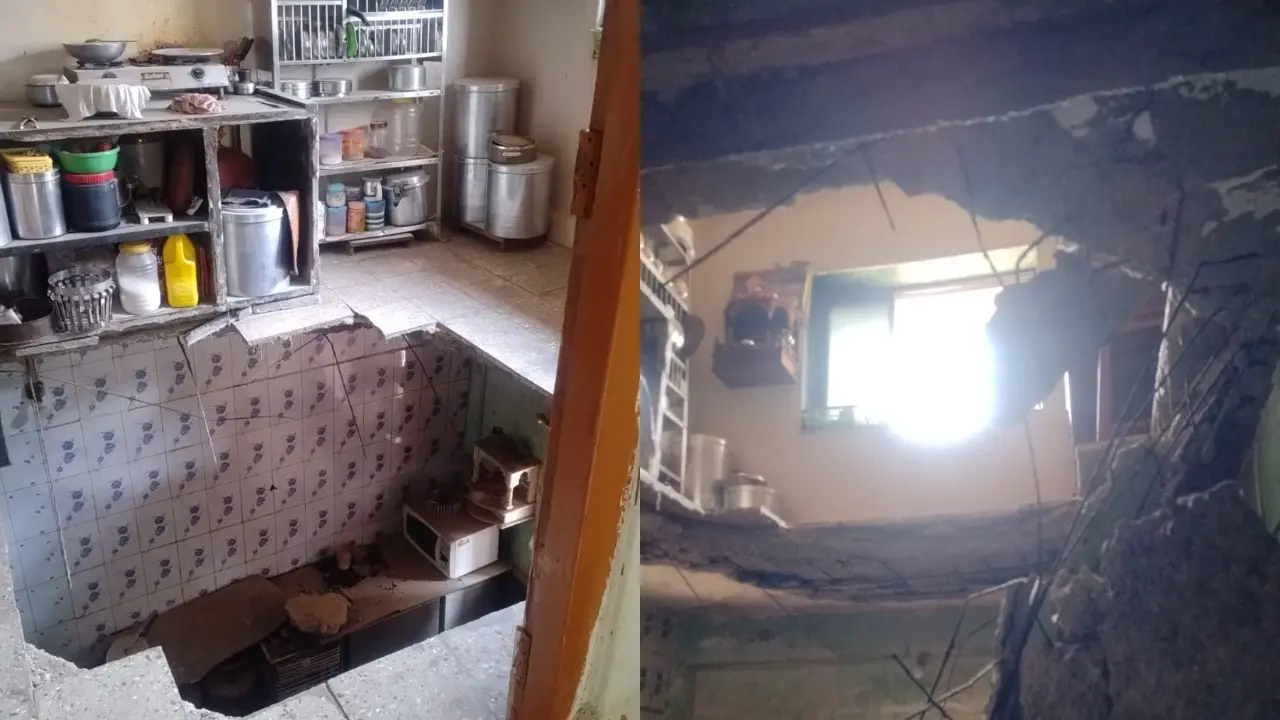
02 April,2026 08:21 PM IST | New Delhi | mid-day online correspondentA 75-year-old woman sustained injuries when the slab of a flat in a three-storey "dangerous" building collapsed in Thane city on Thursday, following which the civic authorities vacated the residential premises. According to the Thane Municipal Corporation's (TMC) Disaster Management Cell, the incident occurred around 4 pm in the Velankani building, a 30- to 35-year-old structure located near Fatima Church in Majiwada village. The Disaster Management Cell of the Thane Municipal Corporation, said that the slab of Room No. 103 on the first floor, owned by one Vivek Kavilkar, came crashing down. An elderly resident, identified as Kirti Kavilkar, sustained minor injuries, the Disaster Management Cell said. The building, which consists of 12 flats and housed 40 to 45 residents, had already been classified under the 'C2A' category. This classification indicates that a structure is dangerous, requires urgent major structural repairs, and is likely to require evacuation. Before the slab collapsed, Assistant Municipal Commissioner Sonal Kale said, the building was served a notice on Thursday. Following the incident, the building was completely evacuated as the remaining portion is in a highly dangerous condition. While some residents made their own arrangements, 12 to 15 people have been shifted to the TMC School No. 47 in Majiwada for temporary shelter. Man killed after tree branch falls on vehicles at police headquarters Meanwhile, a 45-year-old man was killed after a branch of a tree fell on parked vehicles at the Maharashtra Police Headquarters in south Mumbai on Wednesday evening, civic officials said. A large branch of a Gulmohar tree snapped and fell on four vehicles parked inside the campus in Colaba, leaving Anil Bhagoji Gore (45), who was present at the spot, injured. He was rushed to St. George's Hospital, where he was declared dead before admission. Mumbai Fire Brigade, police and civic ward staff rushed to the spot. Fire in Sion Hospital In another case, a fire broke out in the X-ray department of the civic-run Sion Hospital in central Mumbai on Tuesday, officials said. There was no report of any casualties, they said. The blaze erupted in an air conditioning unit on the ground floor of the hospital's X-ray department at 11.57 am, an official said. After being alerted by the hospital's dean, the fire brigade, police and civic staff rushed to the spot, and the blaze was doused, he said.
02 April,2026 07:22 PM IST | Thane | mid-day online correspondentMumbai Mayor Ritu Tawde on Thursday has directed officials to begin construction of the Phase 1 building of Rajawadi Hospital’s redevelopment project in Ghatkopar by next week, stressing that further delays will not be tolerated. Reviewing the project on-site, Tawde said the hospital is under significant pressure due to a high patient load and that any delay in redevelopment is unacceptable. According to a release, she instructed authorities to secure all pending permissions on a war footing to ensure the immediate commencement of work. The redevelopment of Seth V.C. Gandhi and M.A. Vora Municipal General Hospital, popularly known as Rajawadi Hospital, includes the construction of a 600-bed facility in the first phase. The proposed structure will comprise a lower basement, basement, ground floor, and 10 upper floors, with a built-up area of approximately 33,179 square metres and equipped with modern medical infrastructure. Officials said the foundation stone for the project was laid in December 2025 and that construction will begin once permissions related to minor minerals and debris clearance are obtained. Expressing displeasure over the four-month delay since the groundbreaking, Tawde directed officials to escalate administrative hurdles to senior authorities and seek support from elected representatives to resolve issues swiftly. She emphasised that obtaining necessary approvals is the contractor’s responsibility and warned against any further delays. The Mayor also instructed officials to ensure that construction activities do not inconvenience patients at the existing hospital, particularly in terms of noise, dust, and disruption. She further directed that local councillors be kept informed at every stage of the project and called for a detailed presentation on the redevelopment at the Brihanmumbai Municipal Corporation headquarters. Maharashtra launches slum-free Mumbai campaign, deploys NETRAM system to track encroachments In a bid to transform Mumbai into a slum-free city, Maharashtra Deputy Chief Minister (CM) Eknath Shinde on Monday announced the Hinduhrudaysamrat Balasaheb Thackeray Urban Public Welfare Campaign. The initiative aims to fast-track slum redevelopment while deploying the advanced NETRAM (Network for Encroachment Tracking and Reporting for Mumbai) system to prevent fresh illegal encroachments, news agency IANS reported. Shinde said the campaign, launched during the birth centenary year of Balasaheb Thackeray, is a tribute to the late leader’s vision for Mumbai. The government’s move is expected to give a major push to redevelopment efforts and enable residents to shift to safer, well-equipped housing. “We are committed to realising Balasaheb Thackeray’s dream of a slum-free Mumbai through this mission,” he said. The campaign will prioritise slum clusters spread over more than 50 acres where at least 51 per cent of the area is occupied by slums. The Slum Rehabilitation Authority (SRA) will implement cluster redevelopment projects across large parcels of private, government, and semi-government land.
02 April,2026 06:13 PM IST | Mumbai | mid-day online correspondentThe escalation in West Asia has resulted in a world-wide crisis, and India’s financial hub has also felt the impact of the conflict. Hundreds of labourers employed as loaders in south Mumbai have been witnessing a drop in their workloads. In this test drive, mid-day spoke to multiple stakeholders engaged in the import-export field to understand the impact of the West Asia conflict on the city’s traders. Industry players say that with the shipping routes hit in the Gulf region, customer demand is declining, thereby impacting the entire inner circle of the business chain. Freight costs surge, shipments stall The disruption of key maritime routes, including the Strait of Hormuz, and the partial shutdowns of the Gulf terminals have severely impacted global shipping. Shipments are now being rerouted through longer, multi-leg journeys, significantly increasing both time and cost. “I shipped goods to Saudi before the war but still had to pay war surcharges. What normally costs USD 800 is now costing nearly USD 5,000,” said Amir, an imitation jewellery exporter. “At a time of low demand and high risk, sustaining oneself is heroic,” he said. Air cargo has also taken a hit. Limited airline availability has worsened delays and inflated rates.“My customer in Dakar has been waiting over 10 days, but the freight is stuck,” another exporter, Surendra said. “Only select airlines like Lufthansa are accepting cargo to East Africa and rates have jumped from Rs 450 per kg to Rs 1,300 with no reliability and frequent cancellations.”For many, exporting no longer makes financial sense. “Costs are skyrocketing and customers are unwilling to pay more,” said a steel exporter. Manufacturing takes a hit The disruption in logistics has directly translated into a breakdown of supply chains. Industries that rely heavily on imports, especially from West Asia are facing acute shortages.“Earlier, materials came directly from China. Now they arrive through multiple routes with delays,” said Aksh, a steel manufacturer. “War surcharges are added at every stage, so costs keep rising.”The steel industry is among the worst affected, given its reliance on imports from the Gulf. Around 70–80 per cent of limestone is imported from the UAE and Oman, while nearly 59 per cent of Direct Reduced Iron (DRI) comes from the region. Industrial gases such as LPG, LNG, and propane, critical for welding and molding, are also in short supply. With input constrained, some factories have cut production by as much as 50 percent. Manufacturers now face a paradox: rising input costs combined with falling export viability are forcing production to halt. The domino effect: Demand, costs, and cash flow The crisis is not just about supply, it is equally about demand destruction and financial stress.Goods worth crores of rupees are stuck in transit, and payment cycles have become uncertain. Exporters are hesitant to ship due to high costs, buyers resist price hikes, and payments are delayed amid logistical risks. Currency fluctuations, particularly a rising dollar, add further strain. “We are facing shipping delays, pending payments and a rising dollar,” said Burad, a businessman with over three decades of experience.Small and medium enterprises (MSMEs) are among the hardest hit, lacking the financial cushion to absorb prolonged disruptions.A single disrupted shipment can wipe out months of profit. Jewellery exporters report consignments worth lakhs being returned undelivered. “Cargo sent to the UAE was returned to JNPT,” one exporter said.Insurance has become another bottleneck, with companies increasingly reluctant to cover shipments to high-risk regions. Ground zero: Labourers face crisis again While businesses struggle, the most severe impact is felt at the bottom of the economic pyramid. Daily wage labourers who form the backbone of the supply chain are facing a crisis reminiscent of the Covid-19 lockdown.With factories scaling down and logistics slowing, work opportunities have dwindled sharply. “We used to earn Rs 700– Rs 800 a day, but now it’s barely Rs 100–200,” said Jagdish Kanojia, who leads a group of loaders. “It feels like the Covid period again.”Fuel shortages coupled with rising prices have worsened living conditions. “There is no LPG available, it’s being sold in black,” said a factory worker. “Kerosene has gone up from Rs 110 to Rs 150, and even my regular eatery is shut, hence I am returning to my village,” he added.Like the factory worker quoted above, many others are now returning to their villages as survival in the city is becoming increasingly difficult. “My roommate left because there is no gas for welding work,” another worker said.“I have three daughters and I am the only breadwinner,” said Ibrahim, a hawker. “Where should the poor go?”The ancillary sectors are also under strain. Packaging costs, especially plastics, have surged sharply.“We used to buy plastic at Rs 1,100, now it’s above Rs 2,200,” said Mohammed Ali, who packages cargo for shipments. “Businessmen won’t pay more, but our costs have doubled and workers are leaving.”Iconic restaurant chains such as Bhagat Tarachand in Kalbadevi, small eateries, and several other establishments in the area are also struggling. Many have either shut down, shifted to coal and electrical appliances, or reduced operations due to LPG shortages, further impacting workers who depend on them for affordable meals. Pockets of opportunity amid crisis Interestingly, not all sectors are losing. Certain industries such as plastics, brass, and select metals may benefit from rising global prices and tightened supply.A few traders are holding inventory, anticipating better margins. However, most believe the situation depends on how long the conflict lasts.“A prolonged war could lead to bigger gas disruptions, higher input costs and inflation,” said Burad. “Domestic demand may hold, but exports will lag.”Still, some remain cautiously optimistic. “This is a short-term disruption, a mid-term opportunity and a long-term test of reliability,” said Pravin Wasan, who runs a shipping company. “Those who manage logistics well will emerge stronger.”For now, the focus across Mumbai’s trade ecosystem has shifted from growth to survival.The conflict serves as a stark reminder: in a globalised world, no economy is isolated, and the deepest impacts are often felt by those least equipped to bear them.
02 April,2026 05:32 PM IST | Mumbai | Mrinal DoshiADVERTISEMENT