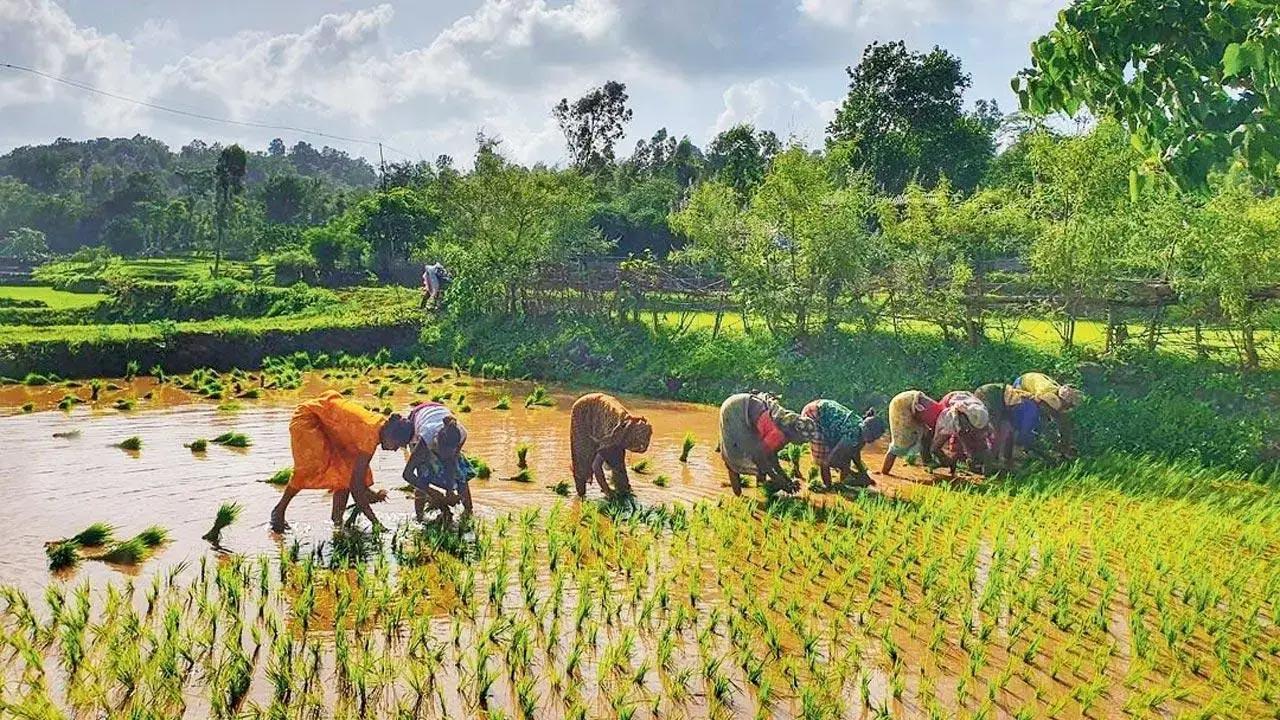
World’s most tech-savvy govt is finally turning its attention to agriculture, which is great news

File photo
I was incredibly happy on behalf of farmers across the state of Maharashtra when reports about the MahaAgri-AI Policy 2025–2029 were published a few weeks ago. I must confess that, for the past three decades or so, I have often felt as if farmers don’t get the importance they deserve, so the announcement of an AI policy went a long way towards reassuring me that the government cares about the people who feed us. It also reassured me because if there’s one government that understands how best to use technology for everyone’s benefit, it is the people who manage this state. Proof of their tech-savvy is all around us, if we care to look. Pay a visit to any government website if you don’t believe me.
The press release about this new policy referred to it as a ‘transformative step’ towards revolutionizing Indian agriculture. It also mentioned generative AI (used mostly to create content of some sort), drones, robotics, ‘computer vision’, and predictive analytics, which made me applaud the PR agency that had drafted it. After all, these words don’t crop up at Mantralaya as often as most of us would imagine, do they?
Here’s the best part: a budget outlay of Rs 500 crore. When large figures like these are mentioned, a positive result is almost guaranteed. Sure, it may not happen in our lifetime, but the grandchildren of farmers may benefit, which may make their current problems a little easier to bear. It’s also why I believe that bullet train between Bombay and Ahmedabad will be operational any day now.
As I spent more time reading about the policy, I was pleased to notice that it aims to address challenges such as climate change and water stress. This came as a bit of a surprise, to be honest, because I had long been under the impression that climate and water weren’t on the list of any government plans. What with unchecked development, the rampant cutting down of mangroves and trees for coastal roads, and limited access to running water in the country’s financial capital, I had come to accept that the eventual apocalypse was to be dealt with on an ad hoc basis, like everything else.
Then there was the AI part of the policy, which mentioned predictive tools and real-time advisory systems. Both made sense, although I had a few doubts about accuracy and the dissemination of information. I thought about weather forecasts, for instance, and how I had spent much of my life learning that the department tasked with telling us whether it was going to rain or not could sometimes be wildly off the mark. And, even if these tools and systems worked, I couldn’t see how that data would be relayed to farmers who often had no access to food, let alone devices that could arm them with life-changing facts.
Another thing that prompted further questions was the mention of QR code-based blockchain systems to ensure food safety and export compliance. The word ‘blockchain’ has been cropping up in bars and pubs across the country for a decade now and, in all that time, I have yet to hear two people agree on how it is meant to work. Then again, maybe one of our ministers in the department of agriculture has been an expert on the topic all along.
I could go on, given how impressive the list was, and how it discussed everything from a geospatial intelligence engine and AI-based multilingual advisories to an AI Sandbox, specialised training modules, and research hubs. All of it sounded amazing, but I still couldn’t reconcile this promise of a shiny future with the knowledge that this year alone, 767 farmers died by suicide in Maharashtra between January and March. Last year’s figure was 2635, and the year before saw 2851 deaths. Since 2001, 39,825 farmers have died, and these are the officially reported figures. I try not to think about what isn’t reported.
But, who knows, maybe what agriculture has been missing all along is an AI policy. Maybe farmers are on the cusp of a golden age that has excluded them until now.
Maybe this is just the start of better days for them, followed by miracles for everyone else. In fact, if this plan works, I believe we may soon have AI policies that benefit other groups that have been ignored by the government for so long: women, children, senior citizens, or even blue-collar workers. Anything is possible for those who believe.
When he isn’t ranting about all things Mumbai, Lindsay Pereira can be almost sweet. He tweets @lindsaypereira
Send your feedback to mailbag@mid-day.com
Subscribe today by clicking the link and stay updated with the latest news!" Click here!