Health in the times of crisis: Here's how you can plan your meals better

31 May,2026 10:56 AM IST |  Mumbai  |  Nasrin Modak Siddiqi

Rising oil consumption, ultra-processed foods and sedentary lifestyles are fuelling a public health crisis. Could the edible oil and LPG crunch be the wake-up call India’s kitchens need?

Representation pic


Your browser doesn’t support HTML5 audio

The use of cooking oils in India can be traced back nearly 5000 years to the Indus Valley Civilisation, where oils were valued primarily for medicinal and ritual purposes. Traditionally, the choice of fat varied by region and local availability, with natural options such as pure ghee dominating Indian kitchens. Nutritionist Aditi Khurana says, "Ghee was often reserved for religious ceremonies, healing practices, and the tables of royalty rather than everyday cooking.
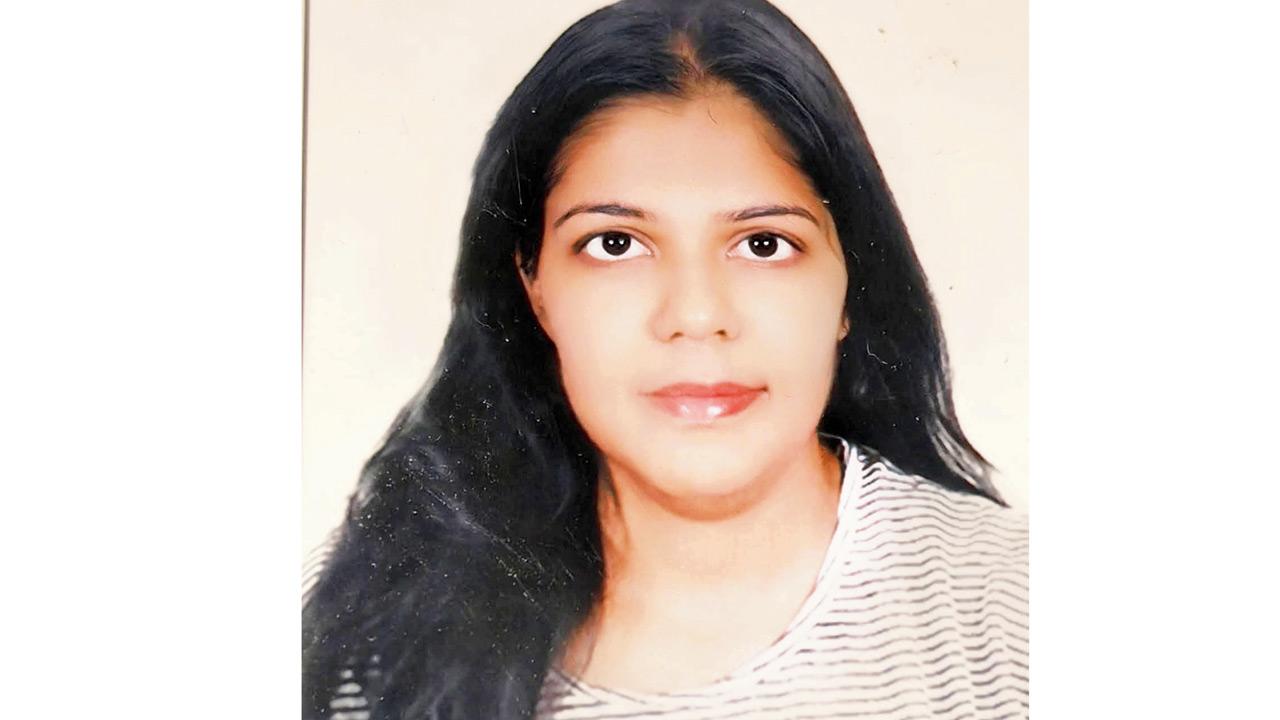

Aditi Khurana

Over time, however, dietary patterns shifted dramatically. The widespread availability of refined and processed cooking oils led to a sharp rise in consumption. Today, India relies heavily on imported edible oils to meet domestic demand, making the country vulnerable to global price fluctuations and supply disruptions. This growing dependence has emerged as both an economic and public health concern, prompting renewed discussions around oil consumption and the need for healthier, more sustainable choices.

The quality of cooking oil too has also changed significantly over the years. "Traditional cold-pressed, or kachi ghani, oils have been replaced by highly refined oils and vanaspati ghee. During refining, many naturally occurring nutrients are lost, and the nutritional profile differs from that of traditional oils. Health experts have raised concerns about the imbalance of essential fatty acids and the growing dependence on heavily processed fats in the modern diet that rely on inexpensive oils, including palm oil and trans-fat-rich ingredients, to enhance shelf life, taste, and profitability.

In this context, the current "crisis" may serve as a blessing in disguise by forcing a re-evaluation of dietary habits. Khurana shares a simple-to-follow meal plan that focuses on saving energy and dealing with stress and anxiety.

Quick tips

>>  Cooking methods like roasting, stir-frying, and steaming use little or no oil.
>>  Pre-marination with added salt helps tenderise meat and vegetables that require more oil and longer cooking times.
>>  Soaking lentils and pulses reduces phytic acid, increasing the bioavailability of micronutrients like zinc and helping manage anxiety.

Practical steps for implementation

>>  Prioritise fresh Ingredients: Use water-based vegetables that require less oil during cooking.
>>  Focus on Home-Cooking: Opt for home-cooked meals with oil blends or less-absorbing oils over store-bought food, which often uses higher quantities of lower-quality oil for profit.
>>  Modify cooking techniques: Use steaming or sautéing instead of deep-frying.
>>  Select quality cookware: Utilising Cast iron or high-quality ceramic cookware can reduce the need for oil while retaining or improving the nutritional value of the food.

7-day meal plan for dealing with stress/anxiety

Day 1
Breakfast: Instant/rolled oats soaked overnight in milk with dates and almonds (No cooking oil required, almonds are rich in Magnesium, which helps manage anxiety by reducing cortisol spikes)
Lunch: Millet roti with methi and moong dal sabzi with steamed cucumber-mint raita (fibre maintains healthy gut-lining, prevents gut leaking and systemic inflammation)
Dinner: Pressure-cooked, shredded chicken-vegetable broth with lemon-coriander

Day 2
Breakfast: Omelette with capsicum and carrot (essential amino acids help synthesise serotonin and dopamine for stress management)
Lunch: Tomato-based rajma curry with pre-soaked steamed brown rice
Dinner: Potato and pumpkin soup cooked in coconut milk with cloves and herbs (soothes the nervous system and reduces anxiety)

Day 3
Breakfast: Cinnamon whole wheat pancakes in buttermilk with apple sauce (lactobacillus in fermented foods tunes the immune system)
Lunch: Pressure-cooked broken wheat khichdi with peas, beans and beetroot, with ghee and curd
Dinner: Steamed palak with chickpeas soup (Magnesium, folate-rich, helps manage anxiety) and lemon rice.

Day 4
Breakfast: Moong dal chila with paneer
Lunch: Sprouts tomato curry with whole wheat -bran chapattis
Dinner: Steamed palak chickpeas soup (Magnesium, folate helps manage anxiety)

Day 5
Breakfast: Fermented steamed dhokla with raw papaya chutney
Lunch: One-pot ash/bottle gourd in curd-based curry with Neer dosa/appam (pro-biotic foods have good bacteria for maintaining the gut lining)
Dinner: Foxtail rice cold salad with bell peppers, walnuts (Omega-3 foods, anti-inflammatory, reduces inflammation caused by stress)

Day 6
Breakfast: Rice kanji (fermented Leftover rice)
Lunch: Roasted brinjal-crushed roasted peanut sabzi with millet roti and cabbage raita
Dinner: One-pot ragi soup with carrot, beans, gourd and peas with a dash of lemon

Day 7
Breakfast: Steamed millet idlis with onion-tomato-curry leaves chutney
Lunch: Curd rice with peanuts and pomegranate
Dinner: Soy sauce sautéed tofu/grilled fish with stir-fried vegetable salad

"Exciting news! Mid-day is now on WhatsApp Channels Subscribe today by clicking the link and stay updated with the latest news!" Click here!
indian food mumbai food Food Recipes instant food Food mumbai health fitness diet
Related Stories