Home / Sunday-mid-day / Article /
Dr Kavery Nambisan’s new book traces the origins and economics of coffee in India
Updated On: 11 December, 2022 12:42 PM IST | Mumbai | Jane Borges
Surgeon-author Dr Kavery Nambisan’s new book reveals the origin story of South India’s favourite morning drink, and how it changed the economics of the nation





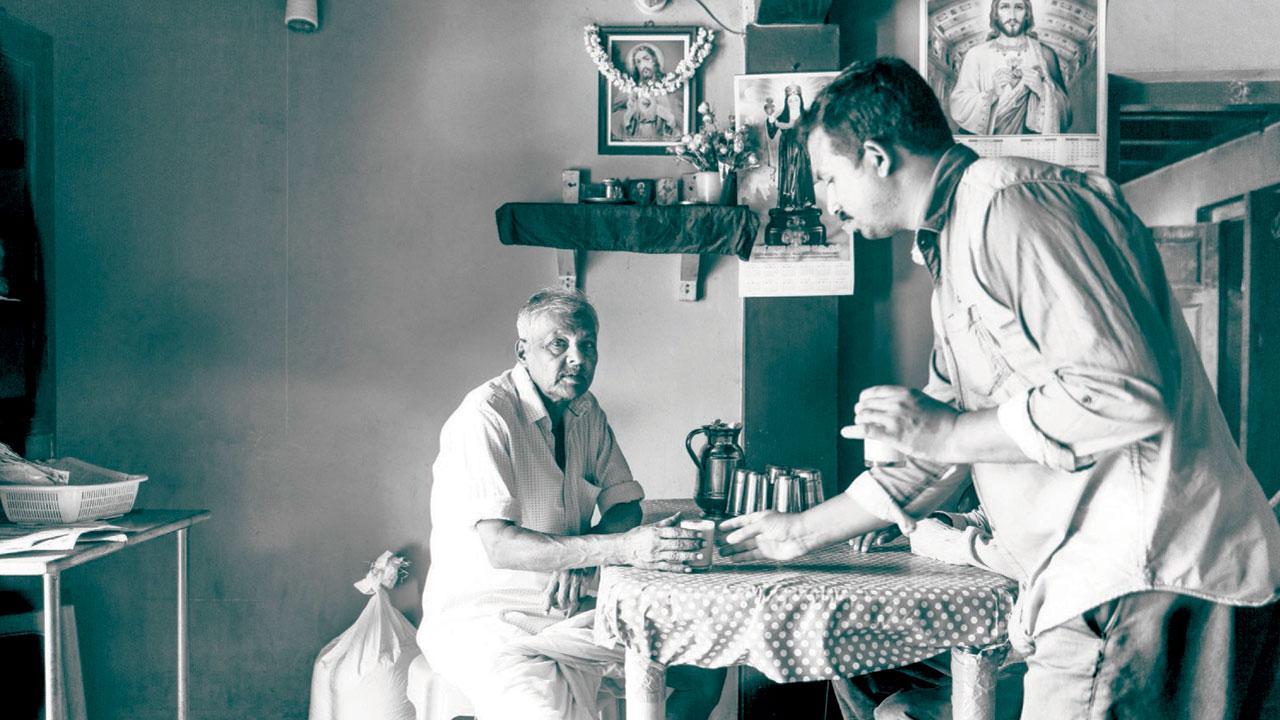
Local coffee shop in Pollibetta, Kodagu, where the workers love to hang out. Pics/Madhu Kapparath
While Mahatma Gandhi is reported to have described tea as an “intoxicant”, his views about coffee remain relatively unknown. But in 1921, his weekly paper, Young India, had published a letter, which stated that “fashionable Brahmin ladies drank up to three cups of coffee a day,... and whiled away their time in idle gossip when it was their duty to... keep away from the evil drink and join the freedom struggle”. Around the same time, another development troubled Gandhi no end—the caste-based segregation prevalent in coffee houses of the day, with many putting up signs like ‘Brahmins only’, ‘Shudras not allowed’ or ‘Shudras, Panchamas, Muslims and Christians will not be served food, snacks or water here’. “In Salem, Tamil Nadu, the Congress party actually fought for a resolution to cancel the licences of coffee houses which promoted caste prejudice,” says author Dr Kavery Nambisan in her just-released book, Cherry Red, Cherry Black: The Story of Coffee in India (Bloomsbury; Rs 699).
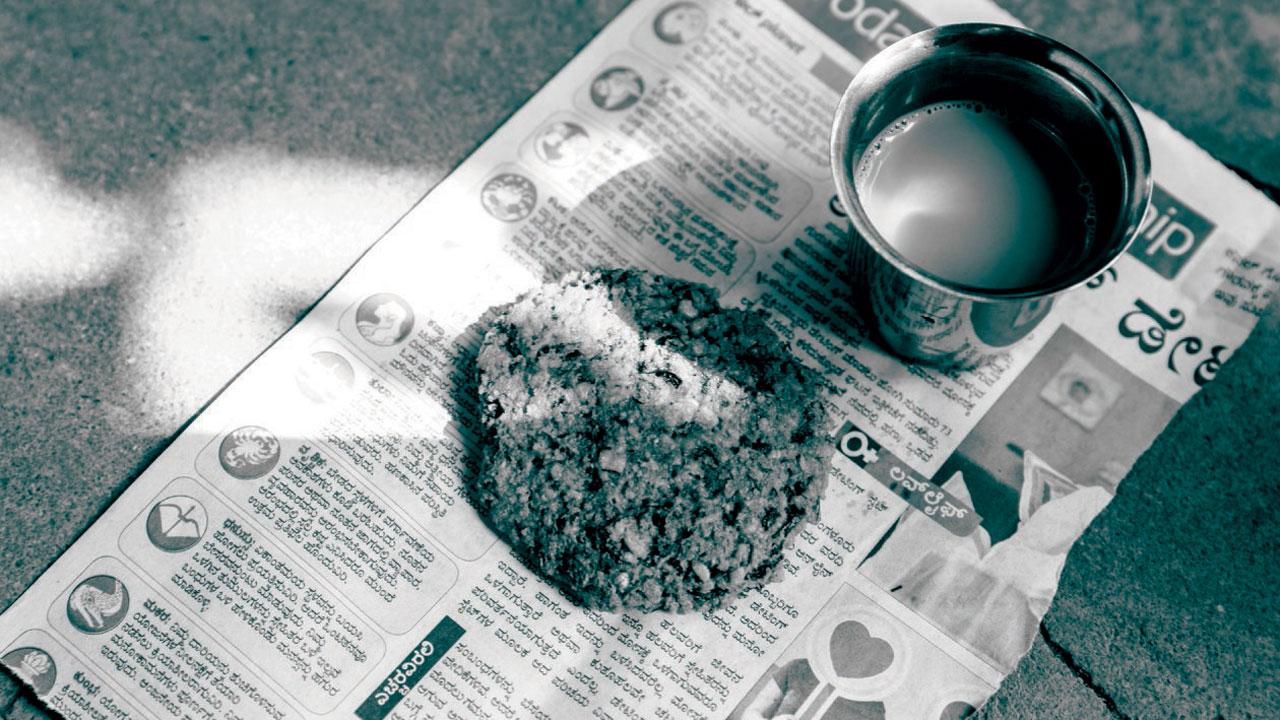
A scrumptious vada and piping hot coffee served on previous day’s newspaper displaying the ‘Daily Forecast’ and ‘Lovelife’ columns
Trending Stories
Latest Photos
Latest Videos
Latest Web Stories
ADVERTISEMENT

Ganeshotsav 2026

ADVERTISEMENT